

Over the last ten years, I've explored numerous civic halls, but the Kochi Municipal Corporation Town Hall distinctly merges colonial-era elegance with a functional civic purpose. This building is more than just a venue for events; it remains a vital part of municipal operations. The significance of public buildings like this often goes unrecognized: a study from Gensler reveals that 67% of individuals believe the quality of their environment influences their sense of community and belonging—civic halls frequently serve as the gateway to that connection (Gensler Research Institute).
Creating and maintaining these spaces necessitates a focus not just on heritage but also on comfort and performance. WELL v2 guidelines emphasize the importance of acoustic design and natural light in enhancing user well-being, linking daylight access to reduction in stress and increased user satisfaction (WELL v2). When I assess a town hall, I consider strategies for maximizing natural light, clear circulation paths, and materials that can withstand heavy public usage over time. These components play a crucial role in visitor experiences and community pride.
Architectural Identity and Spatial Organization
The façade of Kochi's Town Hall is marked by a dignified appearance, balanced proportions, and a sheltered edge that adapts to the tropical climate. High ceilings promote efficient ventilation while broad overhangs reduce heat gain. Internally, a central lobby facilitates movement toward council chambers, administrative offices, and multipurpose halls. This architectural hierarchy is typical of civic structures: an open public axis designated for ceremonies, accompanied by more private areas for everyday governance. In heritage settings, I advocate for alterations that are reversible—like standalone acoustic panels and non-intrusive lighting upgrades—that honor the original structure.
Material Selection and Climate Adaptability
In Kerala's humid coastal environment, selecting materials requires a balance between durability and breathability. Lime-based plasters and preserved timber perform better against moisture variations than many modern non-porous finishes. Durable stone or terrazzo flooring is used for its resilience and ease of maintenance. During renovations, I recommend low-VOC coatings and reflective ceiling paints to enhance ambient lighting without harsh brightness. Ceiling fans, along with subtle mixed-mode ventilation, help to maintain comfortable conditions without the need for total mechanical cooling on less demanding days.
Illumination: Natural Light, Color Temperature, and Glare Mitigation
Civic halls necessitate a multi-layered lighting approach: ambient for orientation, task-specific for council duties, and accent lighting for ceremonial occasions. In historic venues, I incorporate 3000–3500K warm-white lighting in public areas to maintain the building's inherent warmth, while using 3500–4000K neutral-white lights in workspaces to foster alertness. According to IES guidelines, multipurpose gathering spaces should achieve a maintained brightness of around 300–500 lux for general activities, with focused task lighting reaching 500–750 lux for reading (IES standards). Indirect uplighting avoids harsh shadows on heritage ceilings; glare control features and matte finishes ensure pleasant luminance levels.
Acoustics for Ceremonial Events and Civic Dialogue
Civic spaces are often acoustically vibrant, with hard surfaces, elevated ceilings, and large crowds. For council chambers and public discussions, aiming for a mid-frequency reverberation time (RT60) of approximately 0.8–1.0 seconds is ideal. This can be achieved through a combination of concealed mineral wool installations behind perforated timber and fabric-wrapped panels at ear level, along with heavy, event-specific drapes. Using resilient flooring materials alongside seasonal area rugs or modular acoustic carpets can enhance sound clarity. The objective is to enhance speech intelligibility while preserving the room's natural acoustics that lend a sense of occasion to ceremonies.
Navigational Design, Accessibility, and Human-Centric Considerations
Effective civic architecture allows individuals to navigate effortlessly. I emphasize creating a clear line of sight from the entrance to the information desk, complemented by secondary elements—contrasting floor patterns, consistent signage, and tactile indicators—to direct traffic toward public service areas, payment desks, and meeting rooms. It's essential that counters accommodate both standing and seated visitors; meanwhile, seating configurations are optimum in clusters of three to five chairs, offering both armless and armed options. Maintaining clear path widths of 1.5 meters in main corridors ensures smooth movement during peak hours, and canopied waiting areas on the outside provide comfort during monsoon seasons.
Programs and Typical Uses: Daily Functionality of the Town Hall
Aside from council meetings, this venue often facilitates permit discussions, community outreach initiatives, cultural events, and small exhibitions. The multipurpose rooms can easily transition between training sessions and public forums with flexible seating arrangements (consider 600–900 mm spacing and 1000–1200 mm aisles). Adequate storage facilities are critical for efficient operations—when stackable chairs, lecterns, and AV equipment have designated back-of-house spaces, event setups can be completed swiftly. A small green room near the stage enhances civic ceremonies, while a shared AV rack with organized patch panels minimizes the last-minute chaos common on event days.
Heritage Preservation in Harmony with Modernization
Any renovation proposals should prioritize a gentle touch, ensuring they are reversible and well documented. LED upgrades with dimmable drivers can integrate seamlessly into heritage fixtures; discreet linear lighting can accentuate intricate cornice details without overwhelming the space. If air conditioning is deemed necessary for larger crowds, opting for concealed ducted systems with low-velocity diffusers prevents drafts and reduces noise levels. For required security measures, positioning screenings just inside the entrance allows for outdoor waiting areas under shade, mitigating congestion at the main entry point.
Planning Your Visit to the Town Hall
Expect the highest level of administrative activity on weekday mornings. If you plan to attend a council session, aim to arrive 20–30 minutes early to go through security and find your seat. Photography is generally permitted in public spaces but restricted during formal proceedings—be sure to check displayed guidelines at the entrance. Dress comfortably, stay hydrated, as the humidity can be noticeable even indoors, especially if the hall is operating in natural-vent mode. Accessibility ramps are usually located at side entrances, and elevators, if present, can typically be found just past the main lobby.
Event Setup Recommendations for Organizers
If you are organizing an event in the hall, it's advisable to walk through the route from the loading area to the stage to ensure clear paths for movement. Having a printed cue sheet for lighting and AV functions can be beneficial—most historic buildings do not have fully automated systems, and effective human coordination can make all the difference. For ceremonies, I strive for a general illumination to accent ratio of 1:1 on the stage, with separate task lights for the lectern to prevent shadowing. It’s crucial to test microphones from the back row, as the room's acoustics can change significantly once the audience is seated.
Strategic Layout Planning and Visitor Traffic Flow
For temporary displays or events with significant registration, it's useful to plan two distinct routes: one direct path for frequent visitors and a longer, narrative-driven loop for newcomers. Service points (help desks, payment centers, submission stations) should be clustered to eliminate cross-traffic, and maintaining a clear space of at least 3–3.5 meters in front of doorways is crucial to prevent bottlenecks. If you're pre-planning a temporary arrangement—whether it involves seating, partitions, or signage—a room layout tool can effectively help you visualize traffic flows and sightlines before the event date: Homestyler is an excellent resource for this purpose.
Understanding Color Psychology in Civic Spaces
The interiors of public buildings benefit from a calming color palette. Soft greens and warm neutrals help reduce anxiety and promote patience during waiting periods, while a singular civic accent—like deep blue or terracotta—can establish a sense of identity. According to surveys from Verywell Mind on color psychology, blues are primarily associated with trust and stability, making them an effective cue in administrative settings. You should apply accent colors in key areas—such as desk fronts, doorway reveals, or directional bands—to avoid overwhelming visual clutter.
Sustainability Considerations in Civic Architecture
Preserving heritage is inherently sustainable, especially when combined with efficient operational systems. Focus on utilizing LED lighting with high luminous efficacy, smart controls that adjust brightness with natural light, ceiling fans to improve thermal comfort ranges, and low-flow fixtures for public restrooms. Choosing durable finishing materials can lessen the need for replacements; specifying modular, repairable hardware is also beneficial. Creating shaded areas with native plants contributes to local ecology without extensive irrigation needs.
Local Context and Nearby Amenities
Kochi's Town Hall is situated within a vibrant civic landscape, usually surrounded by administrative offices, parks, and cultural facilities. Plan your journey considering peak traffic times; often, using public transport or ride-share services offers more reliability than trying to find parking. The area is dotted with food and tea stalls—consider stepping outside for a brief respite if the hall is crowded, then return rejuvenated.
Frequently Asked Questions
Taking pictures is typically allowed in open areas, but restrictions often apply during official ceremonies or meetings. Always refer to the posted regulations or consult the front desk for clarification.
For general assemblies, aim for overall illumination levels of 300–500 lux with localized lighting reaching 500–750 lux at lecterns or reading tables, in accordance with IES recommendations for assembly venues.
Introduce fabric-wrapped acoustic panels at ear level, utilize cardioid microphones, and deploy heavy drapes when the room reaches capacity; target an RT60 around 0.8–1.0 seconds.
Weekday afternoons are generally quieter, while mornings are often busier due to administrative activity.
Ramps are typically located at side or alternative entrances, with handrails on primary stairs and an elevator accessible from the lobby if the building has multiple levels. Be sure to ask security for the best accessible route.
Absolutely. The multipurpose spaces and the main hall are suitable for hosting talks, small exhibitions, and ceremonies. It's advisable to confirm logistical aspects including load-in procedures, storage, and available AV equipment beforehand.
Stick to neutral tones (warm whites, soft grays) with one accent that ties to the event's identity. Refrain from using overly saturated colors that contrast with the heritage fabric of the building.
Ensure spacing of 600–900 mm between rows, 1000–1200 mm for aisles, and a minimum of 3 meters clear in front of entrances. Utilize a room layout tool to test sightlines before finalizing your setup.
Utilize mixed-mode strategies: ceiling fans, operable windows in mild conditions, and targeted air conditioning during peak occupancy periods. Additionally, opt for light, breathable fabrics for seating arrangements.
Select clear typography, use matte finishes to eliminate glare, and favor removable signage to preserve historic surfaces. Floor-based stanchions are preferred over drilling into the historic structure.
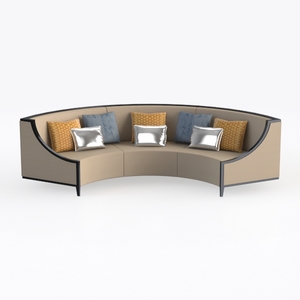
KEIKI 129" Curved Oversized Modular Bonded Leather
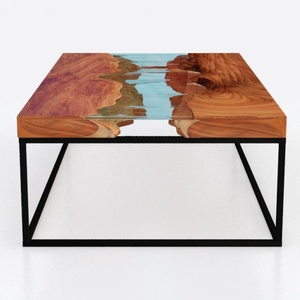
Custom 3D Waves Ocean Dining Table, Blue Ocean
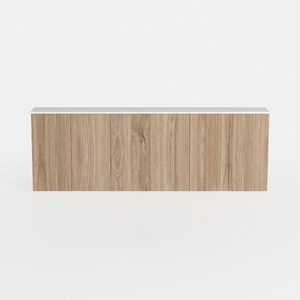
Fluted Sideboard Buffet Cabinet with Storage,
Discover the magic of home design with Homestyler! This incredible online platform offers a user-friendly design tool, stunning 3D renderings, diverse design projects, and helpful DIY video tutorials. Unleash your creativity and transform your living space effortlessly—perfect for both beginners and seasoned designers!
تصميم الآن مجانا
































