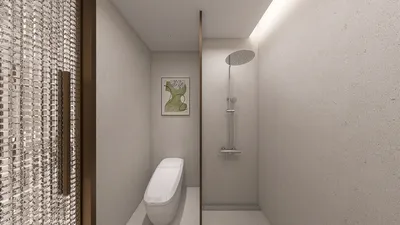


I utilize LED wall lights for much more than just adding decor to my living room. They effectively influence movement, enhance mood, reduce glare, and highlight focal areas without cluttering the ceiling space. When executed thoughtfully, they transform the environment into a dynamic backdrop—warm for a cozy film night, crisp for immersive reading, and inviting for engaging conversations. Here’s my approach to planning, selecting, and positioning LED wall lights to swiftly yet deliberately rejuvenate a space.
In both high-performance residences and work environments, optimal lighting is closely linked to increased comfort and productivity. The WELL Building Standard advocates for glare management and suitable lighting levels, indicating that residential living areas perform most effectively around 100–300 lux ambient lighting, with targeted areas at 300–500 lux; maintaining a low unified glare rating (UGR) is vital in preventing visual discomfort (source: WELL v2, IES lighting guidelines). Research by Steelcase establishes a connection between visual comfort and sustained focus, which I witness daily—well-balanced, low-glare wall lighting fosters fluid conversation and makes screens appear comfortable without causing eye strain.
Colors also signal behaviors. A summary on color psychology by Verywell Mind highlights that warm tones encourage relaxation, while cooler shades boost alertness. Translating this into LED usage: a living room becomes intimate with lighting at 2700–3000K and feels more energetic with a temperature around 3500–4000K. Utilizing dim-to-warm technology allows for versatility in maintaining this temperature range, ensuring skin tones remain flattering and artwork vibrant—avoiding the unnatural appearance sometimes created by high-CCT lamps.
Strategize Your Lighting Layers
I begin my lighting approach with three distinct layers: ambient, accent, and task lighting. Ambient wall washers or soft sconces establish a foundational brightness of around 150–250 lux; accent lighting enhances textured surfaces or artwork; and task lighting ensures reading areas are well-lit with 300–500 lux. If your living room arrangement is changing—such as incorporating a floating sofa or a gallery wall—try using a room layout tool like Homestyler to check sightlines and position sconces at comfortable eye levels, avoiding glare directed at seated areas.
Select Optimal Optics and Beam Spread
The choice of optics significantly impacts the atmosphere. Wall washers with asymmetric beams help to distribute vertical brightness evenly, creating a sense of openness and tranquility. Narrow beams (10–20°) can dramatically highlight artwork, while medium beams (25–40°) provide a balance of brightness and coverage on bookshelves or uneven textures. I typically direct beams so that the brightest area lands roughly one-third down the wall—this approach keeps ceilings visually calm and prevents overly detailed patterns that can feel chaotic.
Color Temperature and CRI: Ensure True Skin Tones
For living rooms, I recommend a color temperature between 2700–3000K coupled with a high Color Rendering Index (CRI of 90+). This range benefits reds in rugs, the warmth of wood, and natural skin tones. If your space tends to have a cooler feel due to environmental light (like north-facing windows or a grey palette), a temperature of 3000–3500K can clarify the ambience without appearing harsh. It’s important to ensure uniform spectral quality across fixtures to prevent inconsistent color rendering.
Mitigating Glare and Choosing Installation Height
Glare can easily ruin a beautifully crafted lighting plan. I prefer sconces that feature diffusers, prismatic lenses, or shielded optics to control brightness. For rooms with ceilings of 8–9 feet, mount most wall lights between 60–66 inches (152–168 cm) from the finished floor; for taller settings, consider adjusting the height to 68–72 inches (173–183 cm) especially in areas with higher backs on seating. Keep direct-view LEDs out of typical sightlines: for example, an LED lamp should be positioned out of the primary 15° visual field when seated on a sofa.
Achieving Brightness Balance Between Vertical and Horizontal Surfaces
Rooms feel more serene when vertical surfaces are softly lit and tabletops do not exude overwhelming brightness. I aim for a balanced relationship between vertical and horizontal illumination, slightly favoring vertical for enhanced comfort. This method aligns with IES recommendations for visually soothing spaces and minimizes screen reflections, particularly in entertainment areas.
Implementing Layered Dimming and Lighting Scenes
It’s beneficial to install multi-zone dimming solutions allowing wall lights to adjust from a full 100% brightness for cleaning activities down to 20–40% for evening use. I create designated lighting scenes such as “Entertain” (ambient wall wash at 50–60%, accent at 70%), “Movie” (ambient at 20%, task off, with perimeter accents at 10–15%), and “Read” (task at 80%, ambient at 40%). Smart lighting systems should automatically revert to warm presets after sunset to enhance circadian comfort.
The Importance of Materials, Lenses, and Finishes
Material selection plays a critical role. Opal glass facilitates gentle diffusion; microprismatic lenses can reduce glare while maintaining output. Finish options like brass, bronze, or matte black should complement nearby hardware and frames. For textured walls (such as limewash or linen weave), opt for asymmetric washers to prevent hot spots. In coastal locations, ensure the use of corrosion-resistant materials and sealed fixtures.
Strategic Placement Around Furniture and Artwork
I position pairs of sconces 6–8 feet apart on a primary wall, or place them alongside a sofa at 10–14 inches from each end for balanced visual symmetry. When illuminating art, a narrow-beam LED angled at 30–35° from vertical can prevent glare; if the artwork is framed in glass, adjust to about 25–30° and reduce brightness. When a living room also serves as a library, medium-beam sconces set 8–12 inches above shelf tops create a harmonious display across book spines.
Considerations for Acoustic and Thermal Comfort
The most peaceful spaces effectively manage both sound and temperature. Fabric-shaded wall lights contribute to sound absorption, softening high-frequency noise. While LEDs emit minimal heat, it is still essential to ensure drivers are adequately ventilated; utilize fixtures rated for enclosed areas if installed in tighter spaces. Rooms that tend to be acoustically lively benefit from softer, vertical lighting that discourages excessive illumination.
Focusing on Sustainability and Maintenance
Opt for easily replaceable LED modules or accessible drivers to prolong lifespan. Pairing warm-dim options with occupancy sensors or time-based controls can reduce energy usage while preserving a pleasant atmosphere. For finishes, choose powder coatings or low-VOC options to maintain indoor air quality. Regular cleaning of lenses is crucial for consistent lumen output and color integrity.
Common Layout Examples
- Media wall: Install asymmetric washers above or beside the screen, dimmed to 10–20% to reduce contrast and prevent reflections.
- Gallery hallway: Alternate narrow-beam accent lights with diffused sconces for visual rhythm and navigation cues.
- Reading corner: A shaded sconce at shoulder height providing 300–500 lux on the reading material; ensure the LED source is shielded to eliminate direct visibility.
When considering various scenarios, a quick evaluation with an interior layout tool such as Homestyler aids in confirming mounting heights and sight lines considering seating and movement.
Design Trends for 2024–2025
Expect to see understated fixtures with powerful optics, warm-dim LEDs, and integrated art rails becoming prominent. Clients are increasingly interested in sculptural sconce designs—curved, folded, and ribbed shapes—that serve as art elements during the day while providing ambient light at night. Anticipate a rise in matte mineral finishes, textured wall grazing, and smarter presets tied to natural light cycles.
References for Authoritative Guidance
In terms of lighting comfort standards, I follow WELL v2 guidelines regarding glare and illuminance, and I refer to IES recommended practices for residential lighting layers. For an understanding of mood and color perception, Verywell Mind’s insights into color psychology offer valuable guidance when selecting color temperatures.
Frequently Asked Questions
Q1: What brightness should LED wall lights provide in a living room?
A1: For ambient lighting, aim for approximately 150–250 lux on vertical surfaces, and ensure reading areas provide 300–500 lux. Keep glare minimal and consider dimming options to adjust levels throughout the day.
Q2: Which color temperature is ideal—2700K or 3000K?
A2: 2700K offers a cozy and intimate feel; 3000K adds clarity while maintaining warmth. For cooler rooms (such as those with north-facing light or grey schemes), 3000–3500K can help balance the tones without feeling overly clinical.
Q3: How high should sconces be mounted?
A3: Position most sconces about 60–66 inches (152–168 cm) above the floor in rooms with 8–9 ft ceilings. Increase this height to 68–72 inches (173–183 cm) in taller spaces or where seating backs are higher.
Q4: How can I prevent glare from LED wall lights?
A4: Use diffusers, shielded optics, and microprismatic lenses. Position beams so the brightest section lands about one-third down the wall, while keeping direct-view LEDs out of common sightlines across seating areas.
Q5: What CRI should I prioritize?
A5: Select fixtures with a CRI of 90+ for natural skin tones and accurate reproduction of colors in art and textiles. Ensuring consistency between fixtures helps in avoiding patchy rendering.
Q6: Can LED wall lights be effective in a media room without causing reflections on screens?
A6: Yes—implement asymmetric wall washers positioned beside or above the screen, dimming them to between 10–20%. Avoid placing lights directly opposite the screen and ensure vertical lighting remains soft to lower contrast.
Q7: Are dim-to-warm LEDs beneficial?
A7: For living rooms, definitely. They transition from around 3000–3500K to approximately 1800–2700K as you dim, preserving a natural evening ambiance and enhancing the appeal of skin tones.
Q8: How many sconces should I use on an extended wall?
A8: Generally, place pairs 6–8 feet apart to ensure consistent vertical brightness. Adjust spacing based on beam spread: narrower beams may require closer spacing, while wider beams can be spaced further apart.
Q9: What finishes are most effective?
A9: Matte metal finishes—brass, bronze, or black—tend to be forgiving and minimize reflected glare. Ensure they are coordinated with surrounding hardware and frames; in coastal areas, opt for finishes resistant to corrosion.
Q10: Do LED wall lights assist with sound acoustics?
A10: Fixtures that are fabric-shaded or accented with felt contribute to noise absorption, softening high-frequency sounds—this is advantageous in lively living rooms that feature hard surfaces.
Q11: How do I illuminate artwork without causing damage?
A11: Use LEDs that emit low UV/IR, have a high CRI, and utilize narrow beams. Aim at 30–35° from vertical to minimize glare, adjusting the brightness to suit the artwork while avoiding hot spots.
Q12: What is the optimal strategy for lighting control?
A12: Implement zone-based dimming with defined scenes—such as Entertain, Movie, and Read—along with warm evening presets. Smart scheduling that aligns with sunset times enhances comfort and energy efficiency.




Discover Homestyler, the ultimate online home design platform! With its user-friendly design tool, stunning 3D renderings, and a wealth of DIY video tutorials, you can effortlessly bring your creative ideas to life. Transform your space today and unleash your inner designer!
지금 무료로 디자인하세요
































