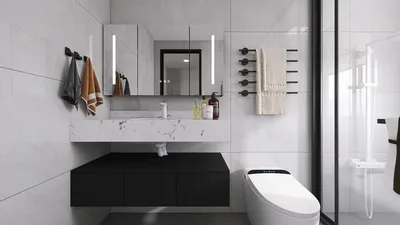


I have revamped numerous living rooms where Dulux color palettes played a pivotal role—setting the atmosphere, enhancing the sense of space, and inviting more light into the interior. The key lies not just in selecting an attractive color swatch, but in calibrating factors like color temperature, sheen level, and contrast ratios to suit both the functionality and lighting of the room. Utilizing tools like Homestyler can assist in visualizing these elements effectively.
Choosing colors is never an isolated decision; it intertwines with our behaviors and overall wellbeing. The WELL v2 framework advises on maintaining balanced light levels that promote circadian health. Typically, living rooms thrive with layered ambient lighting at around 150–300 lux, increasing to 500 lux for tasks without causing glare. Furthermore, studies mentioned by Steelcase indicate that environments tailored for comfort can enhance perceived wellbeing and cognitive clarity—vital aspects when designing a living room for relaxation, reading, or social gatherings. For insights into evidence-based design, I frequently reference WELL’s lighting guidelines found on wellcertified.com.
Reading the Room: Light, Orientation, and Materiality
Before exploring the Dulux fan deck, I analyze the daylighting and color temperature of the dominant light source. For instance, north-facing rooms tend to exhibit cooler tones, while west-facing spaces warm up significantly as evening approaches. Cool daylight accentuates blue undertones, whereas the warm hues of a sunset can make neutral shades appear muddied. I also consider the room’s reflectance characteristics: matte plaster or limewash tends to absorb light and soften colors; in contrast, satin and semi-gloss finishes reflect light and enhance color vibrancy. Various materials like wood (for example, oak versus walnut), stone, and fabric textures affect how paint colors are perceived—blonde oak can brighten cool grays, while walnut enriches greens and taupes.
Foundations First: Timeless Neutral Schemes
In small or low-ceiling living rooms, a light neutral base can enhance reflectance. I often develop a three-tone scheme: a soft off-white for ceilings and cornices, a balanced warm gray or greige for walls, and a slightly darker neutral for trims to frame openings. Strive for a 60/30/10 distribution—60% for the main wall color, 30% for secondary (trims, built-ins, curtains), and 10% for accent colors (niches, consoles, or art walls). It's essential to maintain an LRV (light reflectance value) between 65-85 for ceilings and 50-65 for walls to mitigate glare while ensuring brightness.
Modern Calm: Muted Greens and Botanical Neutrals
The color green holds well-documented restorative attributes; an overview by Verywell Mind emphasizes its connection to harmony and stress alleviation. I favor desaturated sage and olive-greys for living rooms that double as reading havens, complemented by textiles like linen, boucle, and pale oak for that Scandinavian serenity. For north-facing spaces (cool light), warm the green tones with beige or camel undertone trims; for west-facing areas (warm light), retain cooler trims to keep the palette from skewing yellow.
Soft Warmth: Clay, Blush, and Terracotta Nuances
Homes that host evening gatherings benefit from warm clay and blush undertones, which create flattering skin tones and a cozy atmosphere. Consider using a medium terracotta on the fireplace breast or an accent wall, balancing adjacent walls with a lighter sandy neutral. Ensure that metal finishes have warm tones (like brushed brass or aged bronze) and keep lighting within the 2700–3000K range for harmony.
Light and Shadow: Blue-Grey for Architectural Definition
Cool blue-greys provide clarity and enhance the visual impact of white artworks. These hues also temper overly warm timber floors. In compact spaces, paint skirting boards and door casings a shade darker than the walls to ground the space without making the room feel shorter. If the ceiling is under 2.5 m, consider tinting the ceiling paint 25% of the wall color for a subtle cozier vibe versus stark contrast.
Contrast with Character: Deep Accents Used Wisely
Colors like charcoal, ink blue, or forest green add depth and character. I apply these shades on built-ins, media walls, or shelving interiors to create visual recesses. It's advisable to keep the dark paint area under 20-25% of the total space to prevent a constrictive feel. Balancing these darker tones with higher-gloss elements (such as lacquered side tables or reflective glass) injects liveliness into the composition.
Color Zoning for Multi-Use Living Rooms
In open-plan living areas, subtle zoning is often essential. Transition two steps in value or undertone to delineate spaces like a reading nook or dining area—imagine warm greige for the main field, complemented by a mossy accent niche. Additionally, if you are considering joinery or furniture layouts, employing a room design tool such as Homestyler can aid in testing sightlines and color adjacency ahead of painting.
Finish Matters: Sheen, Durability, and Light Control
The sheen of paints can drastically alter the room's ambiance. Matte finishes diminish surface imperfections and glare, which is beneficial for spaces with strong daylight or bright downlighting. Eggshell or satin finishes strike a balance for walls that may require occasional cleaning. Reserve semi-gloss for trims and doors to enhance edges and withstand wear. Accompany these finishes with layered lighting: incorporate dimmable ambient lights (like indirect coves or shaded pendants), localized task lighting near seating, and low-glare accent lights for artwork. I adhere to IES recommendations regarding minimizing direct glare and ensuring consistent color temperatures across light sources.
Proportion and Palette: The 60/30/10 Revisited
While the 60/30/10 rule ensures visual harmony, some flexibility can enhance design. In smaller rooms, consider adjusting to a 70/20/10 ratio to amplify airiness. For taller, grander spaces, invert the hierarchy on lower-thirds with rich wainscoting or color-soaked built-ins for stability. Maintain adjacent tones within similar undertone families (whether warm or cool) across all paint and textile choices to create a seamless visual rhythm.
Sample Smarter: Large Swatches and Daylight Cycles
Avoid judging color solely based on a small paint chip. Instead, paint at least A3-sized samples on foam board and reposition them around for 48 hours. Check them at varying times throughout the day—morning, midday, and evening—under the actual lamps you'll be using. Color variations of up to two steps can occur between 3000K evening light and midday light; this is perfectly normal—plan for the version you'll interact with the most.
Living Room Dulux Palette Playbooks
- Walls: soft warm grey with high LRV
- Trim/Ceiling: creamy off-white
- Accent: pale sage on a niche or media wall
- Materials: bleached oak, linen, matte ceramics
- Walls: muted green-grey
- Trim/Doors: deeper olive or charcoal
- Fireplace: clay or brick red accent
- Metals: aged brass, patinated bronze
- Walls: blue-grey
- Built-ins: near-black charcoal
- Ceiling: same hue at 25% tint
- Textures: concrete, blackened steel, walnut
- Walls: beige with pink undertone
- Trim: tone-on-tone slightly darker
- Accent: terracotta (limited to <25% of surfaces)
- Lighting: 2700–3000K, fabric shades
Small Space Tactics with Color
- Extend wall color onto skirting to enhance perceived height.
- Paint window reveals and sills a shade lighter to boost the appearance of daylight.
- Apply a mid-tone on flooring; overly dark floors can dominate, while excessively light floors showcase wear.
- Maintain consistent artwork mats and frames to diminish visual clutter.
Acoustic and Textile Pairings
Color doesn’t travel alone; textures play a vital role too. Velvet sofas enrich color saturation and absorb sound, while boucle and wool rugs enhance acoustic comfort alongside visual softness. If your color palette is cool, add warm textiles (like a camel throw or an oak tray). Conversely, if leaning warmer, consider integrating graphite or indigo accents to achieve a visual balance.
Maintenance and Longevity
For living rooms frequented by children or pets, select washable, low-VOC finishes. Areas subjected to high traffic—such as banisters, door edges, and media cabinetry—benefit from durable enamel paints. It’s wise to keep a labeled touch-up jar for each color containing about 10% water (for matte finishes) to allow for clean feathering of edges during touch-ups.
Step-by-Step: From Idea to Painted Room
1) Assess lighting and orientation, noting the color temperatures of lamps.
2) Determine a base undertone family (warm or cool) that complements your existing furniture.
3) Create a 60/30/10 palette, finalizing decisions on ceiling and trim colors first.
4) Order samples of Dulux paints and apply A3 boards; assess them over two days.
5) Confirm sheens for various functions: matte for walls, semi-gloss for trims, satin for built-ins.
6) Follow a painting sequence: ceilings first, then walls, trims, and finally accents.
7) Integrate lighting and textiles; reassess the overall balance during the evening hours.
8) Conduct a 30-day review for any touch-ups and minor adjustments.
FAQ
Q1. How do I select a Dulux white that won’t appear yellow at night?
A1. Align the undertone of the white paint with your light sources. Under warm lamps (2700–3000K), it’s best to choose a neutral or slightly cool white to prevent yellowing. Always test large samples under your specific lamps throughout the evening.
Q2. What’s the most foolproof Dulux color scheme for a compact north-facing living room?
A2. Opt for warm greige walls (with LRV around 55–65), a creamy off-white ceiling (LRV 80+), and trims that are a shade warmer. Introduce a soft green or clay accent in a niche instead of a full accent wall to avoid making the space feel smaller.
Q3. How much dark color is too much?
A3. Aim to keep darker tones below 20–25% of the total painted area, unless you enjoy abundant daylight and higher ceilings. Balance darker areas with lighter textiles and reflective features.
Q4. Which sheen is ideal for living room walls?
A4. Matte or eggshell finishes are preferable. Matte minimizes glare in sunnier environments, while eggshell/satin works well in areas with higher traffic. Reserve semi-gloss for trim and door surfaces.
Q5. Can color influence evening relaxation?
A5. Absolutely. Shades of green and muted blues are associated with tranquility, while warm clay tones contribute to a cozy environment. Pair these with lighting of 2700–3000K and low-glare fixtures to foster relaxation, aligning with WELL lighting best practices.
Q6. How can I zone an open-plan living-dining area using Dulux colors?
A6. Transition two steps in value between zones or subtly alter the undertone family (like warm greige in the living area with an olive accent in the dining area). Consider previewing sightlines with a layout simulation tool to ensure seamless transitions.
Q7. Will blue-greys highlight my timber floor’s orange tones?
A7. While blue-greys can emphasize warm floors, you can counterbalance this by choosing a blue-grey with a green undertone or introducing a mid-tone area rug to bridge the temperature disparity.
Q8. What’s the best ceiling treatment for a low room?
A8. Tint the ceiling using a formula that's 25% of the wall color to subtly soften boundaries and visually enhance height perception. Avoid stark white if walls are mid-tone; the contrast may seem overwhelming.
Q9. How can I prevent a warm palette from appearing muddy?
A9. To balance warm walls, employ cooler trims (like a neutral white) and incorporate textures that have a slight sheen—such as silk cushion covers, glass accents, or polished wood—to reflect light and enrich the overall composition.
Q10. Are there palette suggestions from Dulux for homes filled with screens?
A10. For areas behind televisions, utilize low-contrast mid-tones (like charcoal or olive-grey) to diminish glare and eye fatigue, while keeping surrounding walls light but not starkly white.
Originally incubated at Autodesk, Homestyler has grown into one of the most widely adopted home design platforms in the world, now trusted by over 18 million users. Whether you're a homeowner exploring ideas or a professional designer delivering client-ready renders, Homestyler brings industry-leading 3D technology to your fingertips — no experience required.
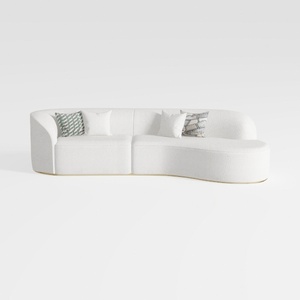
Minimalist Boucle Fabric Curved Sectional Sofa 3D Model

Minimalist White Textured Metal Leg Sideboard 3D Model
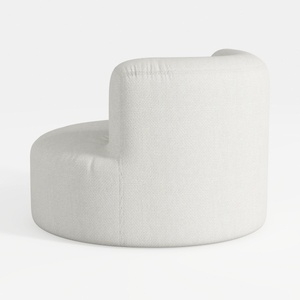
Minimalist Fabric Curved Accent Armchair 3D Model
Homestyler is your go-to online platform for effortless home design! With its user-friendly design tool, stunning 3D renderings, diverse design projects, and engaging DIY video tutorials, you can easily create and visualize your ideal space—perfect for homeowners and design enthusiasts alike!
Zaprojektuj teraz za darmo
































