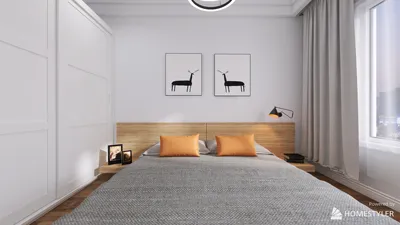


The Assam Type houses have been ingeniously designed to withstand heavy rainfall, high humidity, and seismic activity, all while ensuring comfort and excellent cross-ventilation. In the Brahmaputra valley climate, I've successfully renovated several of these homes, utilizing overhangs, elevated plinths, and verandas as essential features rather than mere decoration. Proper room layouts can significantly enhance airflow, daylight access, and acoustic comfort, even in limited spaces, making tools like Homestyler invaluable for design simulations.
Research supports this design philosophy. According to Gensler’s Workplace Survey, natural light and adequate ventilation are crucial factors for well-being and efficiency across various building types, with daylight strongly linked to enhanced experiences and performance. Similarly, WELL v2 guidelines highlight that correct exposure to daylight and effective glare control contribute to reduced eye strain and improved circadian rhythms. These principles directly inform Assam Type designs: large windows positioned under generous eaves, shaded verandas as thermal shields, and breathable wall structures are not just traditional features—they're backed by evidence.
When it comes to planning, I utilize stack ventilation and strategic room placements that harness the prevailing winds, alongside raised floors to ensure interiors remain dry during monsoons. Research from Steelcase emphasizes that balanced work and restoration environments energize cognitive function; in home design, this means situating quiet rooms away from bustling activity zones and using transitional areas like verandas as relaxation spaces that naturally cool incoming air. Implementing these strategies allows smaller rooms to feel more spacious, cooler, and greater in resilience.
In Assam Type houses, the primary facade should orient towards prevailing winds to maximize cross-ventilation. It's beneficial to maintain window-to-floor ratios of around 20-30% on opposing walls in main living spaces to create effective pressure differentials; additionally, external shading is key for controlling heat accumulation. Generous roof overhangs of 750–1200 mm are designed to divert heavy rain and keep windows accessible even during storms. For areas where privacy is a concern, positioning high clerestories with lower, shaded openings allows for airflow without sacrificing seclusion.
Historically, these homes are elevated on plinths or short stilts—an essential adaptation for flood-prone areas and for enhancing under-floor ventilation. Typically, a lift of 450-900 mm effectively keeps water splash-back and excess moisture at bay. Integrating a semi-open mudroom or a screened porch between the veranda and interior can be effective in keeping wet items and footwear separate. This transition space is essential in controlling indoor humidity, safeguarding the flooring, and dampening foot traffic noise.
Verandas serve as both thermal and social buffers in these homes. By treating the veranda as an extension of the living space, dimensions of 1.8 to 2.4 m typically create a welcoming area for seating and movement. Lattice or bamboo screens can deflect rain and low-angle sunlight while allowing for a pleasant breeze. In family settings, I position workstations on the veranda's edge, facing greenery to promote a calming visual connection with nature—this design strategy aligns with research that links views of nature to reduced stress and increased focus.
In terms of living and dining areas, merging functions into an L-shaped great room with a central daylight core is an effective solution. Placing the dining area close to the kitchen and including cross-vent windows enhances flow. For optimal lighting, keep the main seating within 3-3.5 m of the main window wall to ensure faces receive soft, sidelight. If you're exploring layout options, a room layout tool can assist in visualizing furniture arrangements and airflow paths, seamlessly integrating the Homestyler experience into your planning.
For kitchens, a U-shaped or two-line layout is recommended to isolate food preparation from cooking activities. A shaded service window to the veranda not only allows for the efficient movement of items but also helps ventilate cooking odors. Given the humidity levels during the monsoon season, it’s advisable to choose open shelving with louvered doors and durable work surfaces made of stainless steel or treated hardwood. Positioning the cooktop to face the prevailing breezes helps maintain stability in cooking flames.
In the bedrooms, implementing cross-ventilation with windows on adjacent or opposite walls is key; when privacy limits window placement, over-door transoms and vented shutters can be advantageous. Ensuring a clear path of 600-750 mm around the bed enhances accessibility. Additionally, built-in platform beds with under-bed drawers maximize space while keeping storage off damp floors. It’s advisable to place wardrobes along the warmer wall of the house, typically the western side, to act as thermal barriers.
Bathrooms should ideally be situated in leeward corners to prevent moisture from infiltrating living spaces. High louvers and exhaust stacks that extend beyond the eave line contribute to effective humidity control. In smaller bathrooms, the use of wall-hung fixtures and a linear drain located at the far end keeps floor circulation dry. Opt for slip-resistant and textured tiles with high wet pendulum ratings to enhance safety.
Creating a study or work nook can be efficiently achieved by repurposing corridor space—widening one side to 1000–1200 mm and integrating a built-in desk with overhead ventilation ensures comfort. Positioning the work surface perpendicular to windows minimizes glare. Incorporating soft materials and a wall filled with books not only provides aesthetic appeal but also contributes to passive sound absorption during work calls.
In humid climates, controlling the light environment is crucial. I rely on a color temperature between 3500–4500 K for evening task lighting to maintain alertness without harshness, with the option of dimming down to 2700 K for winding down. The Illuminating Engineering Society (IES) recommends illuminance levels of approximately 300-500 lux for tasks and around 100-200 lux for ambient lighting in living spaces, while exterior shading and light shelves help to soften daylight exposure. Using muted greens and earthy tones, inspired by regional color schemes, creates a calm atmosphere, which research links to mental restoration and reduced eye strain.
Many Assam Type homes are constructed with lightweight frames incorporating timber or bamboo, which can transmit sound. To improve sound isolation, consider building layered partitions with plasterboard, resilient channels, fiber insulation, and staggered studs. Soft finishes such as rugs, curtains, and cushioned cane furniture help to absorb noise. Positioning noisy appliances on vibration-absorbing pads within the service spine adjacent to the kitchen and bathroom reduces sound transmission into sleeping areas.
Utilizing breathable wall assemblies—such as lime plaster over masonry or stabilized earth blocks—effective moisture management is achievable, helping to prevent mold growth. In flood-prone regions, selecting water-resistant skirtings (like stone or ceramic) up to 300 mm in height and choosing sustainably sourced hardwoods such as teak or sal for framing can enhance durability. Additionally, exterior cladding with ventilated cavities is effective for drying the house after storms.
Smart storage solutions without bulk are essential. Full-height cabinetry with ventilated backs promotes airflow around stored items, while under-stair pull-outs, bench seating with liftable lids, and shallow wall niches help in managing everyday clutter. Aim to keep storage units within a maximum depth of 600 mm in small rooms, opting for sliding or bifold doors to maintain clear circulation pathways.
Compact floor plans thrive with a defined circulation band of 900-1000 mm that connects living areas, kitchens, and verandas fluidly. Ensure door swings do not interfere with this flow by utilizing pocket sliders whenever possible. I typically favor room proportions of approximately 1:1.5 for living spaces and 1:1.2 for bedrooms, promoting both optimal furniture arrangement and airflow. If you wish to compare design options, leveraging an interior layout planner can assist in visualizing these ratios before finalizing built-in designs, enhancing the overall planning with tools like Homestyler.
To boost climate resilience, integrate oversized gutters equipped with leaf guards, gravel splash zones beneath eaves, and continuous ventilation beneath floors to keep moisture at bay. Design verandas with a moderate slope of 1-2% to direct water away from the home. Including removable insect screens with easily accessible tracks ensures they can be cleaned post-storms. For regions prone to seismic activity, lightweight roofing and braced frameworks contribute to safety while preserving the structural integrity of elevated plinths.
Behavioral patterns in Assam Type homes are often centered around early mornings and post-sunset activities on the verandas. Craft activity zones with this in mind: quiet lounging areas positioned toward the back, social interaction zones near the entry-veranda, and a service core that efficiently consolidates plumbing to minimize noise. Incorporating a small utility outdoor court for drying clothes during the monsoon season helps regulate indoor humidity levels effectively.
Touchpoints for sustainability should be prioritized. Opt for ceiling fans featuring energy-efficient motors before resorting to air conditioning, carefully placing windows to optimize stack ventilation with high openings. Rainwater harvesting from expansive roof surfaces into filtered storage tanks is a sustainable practice, along with using low-VOC materials and conducting cross-vent flush-outs during setup to ensure health standards align with occupant comfort objectives.
For more comprehensive insights on environmental comfort and daylight strategies applicable to home design, consider reviewing Gensler’s extensive research regarding the impact of light and air on performance, as well as WELL v2 recommendations regarding lighting and air quality. Both resources effectively support the passive-first, human-centered design approach already intrinsic to Assam Type houses, further enhanced by tools like Homestyler.
In designing operable windows, consider positioning them on opposing or adjacent walls aligned with the wind flow. Maintain sill heights around 750-900 mm for optimal breeze reception while incorporating high-level outlets like clerestories to facilitate the stack effect.
The optimal depth for veranda seating generally ranges between 1.8 m and 2.4 m, balancing comfort with sufficient splash protection from heavy rain when paired with 750-1200 mm roof overhangs.
To manage dazzling daylight, utilize external shading elements like eaves, screens, or matte finishes on interiors. Set task illumination levels at 300-500 lux using 3500-4500 K LEDs for evening activities, with options to dim to warmer tones at night.
Selecting materials such as lime plasters, ventilated cladding, treated hardwoods, and breathable insulations like mineral wool effectively manages moisture levels. Steer clear of unventilated MDF in damp spaces, and prefer stainless steel or stone for surfaces exposed to moisture.
Enhance acoustic comfort using staggered-stud partitions with sound insulation, resilient channels, and solid-core doors equipped with perimeter seals. It's crucial to separate bedroom areas from service areas during planning.
Maximize storage efficiency by employing full-height built-ins featuring ventilated backs, under-bed storage drawers, and niche shelving with sliding doors. This keeps floors clear, mitigating moisture issues and simplifying cleaning.
Yes, deploying efficient ceiling fans should be your first approach, with air conditioning as a secondary addition only in sealed night zones. Retain the benefits of exterior shading and operable windows to regulate temperatures during transitional seasons, minimizing air conditioning reliance.
A U-shaped or two-line kitchen layout, complemented by a shaded service window, enhances both airflow and workflow efficiency. Position the cooktop to face prevailing breezes and ensure vent hoods direct air outside with properly protected caps against rain.
In terms of color choices, muted greens, earthy neutrals, and desaturated blues are ideal for reducing visual clutter while harmonizing beautifully with timber elements. Light ceiling colors can help reflect daylight, while darker flooring lends a sense of stability to the space.
Elevate plinths by 450-900 mm to safeguard against moisture; additionally, apply water-resistant finishes to the lower 300 mm of interior walls, design reversible skirting boards, and ensure site drainage includes gravel splash zones under eaves to manage rain runoff effectively.
Establish a primary circulation path of 900-1000 mm and a secondary path of 750-800 mm, incorporating pocket or sliding doors to free up space from swing requirements, optimizing flow throughout the home.
Consider placing a narrow workspace along a shaded edge, including insect screens, and incorporating adjustable task lighting for use after dark. Orient seating toward greenery for restorative breaks, enhancing the environmental quality of your home.
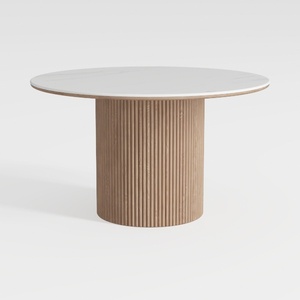
Mopio Quin Round Coffee Table with Storage, Drum A

SAFAVIEH Home Collection Reid Oak/ White Computer
Homestyler is your go-to online platform for transforming your home design ideas into reality. With its user-friendly design tool, stunning 3D renderings, diverse design projects, and helpful video tutorials, creating your dream space has never been easier and more enjoyable!
Design Now for FREE
































