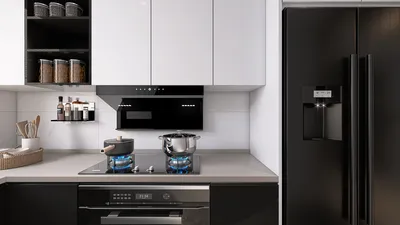


Retexturing 3D models for skins plays a vital role in personalizing digital assets, whether for video games, virtual environments, or visualization projects. This entails replacing or altering the texture map applied to a model, which facilitates fresh appearances, distinct identities, and creative expression on otherwise generic models. The fundamental workflow consists of extracting or baking the original texture, modifying it in an image editor such as Photoshop or GIMP, and subsequently reapplying the new skin to your 3D model using your preferred design platform like Homestyler.
The journey begins with UV mapping: an essential step where a 3D model’s surface is unwrapped onto a 2D plane, allowing for the painting or manipulation of textures in your chosen editor. Once you export the map, you are free to paint over it, add new details, or entirely replace it to craft your unique skin. When finished with your edits, you can import the updated texture back into your 3D modeling software or game engine, linking it to the model’s material slot.
As a designer, I view retexturing not solely as a visual enhancement but as a chance to rethink user experiences and potentially influence mood, brand perception, or narrative depth. If your workflow requires swift iterations or involves numerous assets simultaneously, using solutions like Homestyler can significantly streamline visualization and preview processes, ensuring that your model's new skin appears flawless across various lighting conditions and environments.
Tips 1:
To avoid inconsistencies or noticeable seams during texture editing, always retain the original UV layout. Utilizing high-resolution texture maps enhances detail and realism, but be mindful of performance implications for real-time applications. Finally, always preview your texture on the actual 3D model in its intended setting to ensure color fidelity and cohesive integration.
FAQ
Q: What tools are essential for retexturing 3D models?
A: Typically employed tools include 3D modeling software (like Blender, Maya, or 3ds Max), image editing programs (such as Photoshop or GIMP), and occasionally specialized material editors within game engines like Unreal or Unity.
Q:What exactly is a UV map and why does it matter?
A: A UV map translates a 3D surface into a 2D image, allowing for accurate painting or editing of textures, which is crucial for precise texture placement.
Q: Is it permissible to retexture models from any origin?
A: You must secure permission or possess proper licensing for third-party models. It's essential to adhere to copyright regulations when using or modifying external assets.
Q: What methods can I use to minimize visible seams during retexturing?
A: Employ seamless texture techniques and ensure attention to UV edges within your editor. Some software features painting tools that operate directly in 3D, aiding in seamless blending.
Q: Will custom skins impact model performance?
A: High-resolution textures can elevate file size and potentially slow rendering speeds, particularly in games or AR/VR. Optimize the texture resolution based on your specific application needs.
Built on technology originally developed at Autodesk, Homestyler empowers anyone to design beautiful, realistic spaces in minutes. Join over 18 million users who have already discovered a smarter way to plan, visualize, and bring their dream homes to life — all from the comfort of a browser.
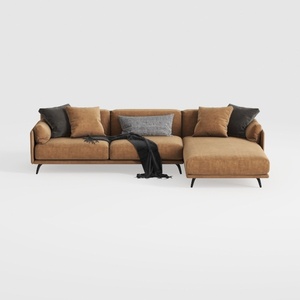

Coaster Home Furnishings - Camacho - Upholstered C
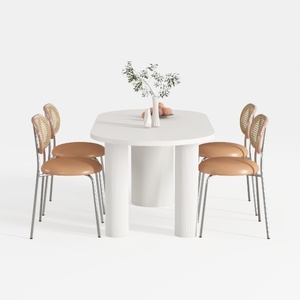
DUOMAY Modern Boucle Dining Chairs Set of 2,
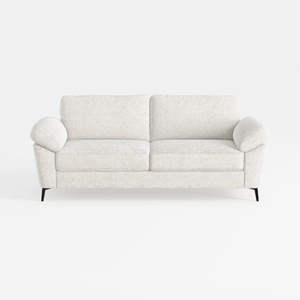
Minimalist Fabric Loveseat Sofa with Black Metal Legs 3D Model
Homestyler is your go-to online home design platform! With an easy-to-use design tool, stunning 3D renderings, and an array of inspiring design projects and video tutorials, you can effortlessly bring your interior design visions to life, whether you're a novice or a pro!
立即免费设计
































