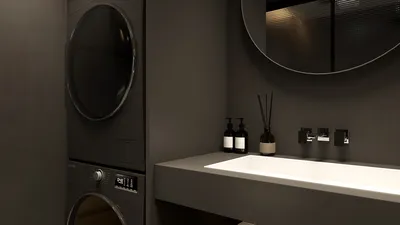


The landscape of home design is being transformed by residential 3D rendering, providing an innovative way for homeowners and designers to visualize their ideas. By creating highly realistic representations of living spaces, this technology empowers users to make thoughtful choices regarding layouts, materials, and aesthetics well before the actual building phase begins. It is particularly beneficial in small space projects, where maximizing every square foot is essential. Picture yourself navigating a virtual model of your home, assessing furniture placements, and tweaking design elements instantly, all from the luxury of your living room.
Advantages of Residential 3D Rendering
1. Enhanced Visualization: With 3D rendering, you can experience your designs in a lifelike setting. This allows you to experiment with color palettes, textures, and furniture arrangement, giving you a clearer picture of your future space.
2. Improved Communication: 3D visualizations facilitate easy sharing of design concepts with family members and designers, ensuring collaborative alignment throughout the project.
3. Cost Efficiency: Detecting design flaws at an early stage can prevent expensive alterations later on, ultimately conserving both time and budget.
The Process of 3D Rendering
Creating a 3D render typically includes several key steps:
1. Initial Design: Begin with a preliminary layout of your space.
2. 3D Modeling: Utilize software to develop a three-dimensional representation of your design.
3. Applying Textures and Materials: Enhance your model by incorporating realistic textures and materials for a more polished appearance.
4. Lighting: Implement both natural and artificial light sources to add depth and realism to your design.
Selecting the Best Software for 3D Rendering
When choosing software for residential 3D rendering, keep these considerations in mind:
1. User-Friendliness: Opt for programs that are straightforward and user-friendly.
2. Feature Set: Verify that the software offers tools for lighting, texture application, and furniture arrangement.
3. Support: Look for available tutorials and community assistance to aid in learning and troubleshooting.
Frequently Asked Questions
Q: What does residential 3D rendering entail? A: It is a digital process that generates realistic three-dimensional images of home designs, enabling visualization prior to physical construction.
Q: In what ways can 3D rendering enhance my design process? A: It improves visualization, fosters better communication among participants, and aids in the early identification of issues, ultimately saving costs.
Q: Is utilizing 3D rendering costly? A: Prices may differ, but investing in 3D rendering tends to be cost-effective by averting expensive changes during construction.
Explore the No.1 Home Design Software, Homestyler, to take your design projects to the next level.
Projete agora para LIVRE
































