

Quick Insights
Reimagining the Interiors of Medieval Castles
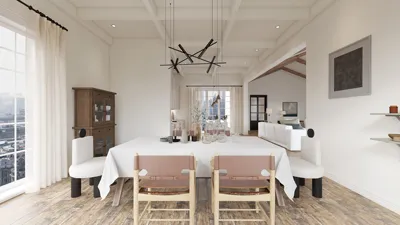
The interior decor of medieval castles transcends the clichéd imagery of grand tapestries and knightly armor. Today’s designs illustrate how an ancient aesthetic can harmoniously intersect with contemporary lifestyles. For example, layering rich textiles over stone flooring not only adds a welcoming visual appeal but also addresses the historical chill associated with such settings. To appreciate how the combination of stone and fabric enhances comfort, delve into innovative medieval-style arrangements that transform traditional spaces. Rather than emulating what you discover on the leading search results, I posit that genuine medieval comfort—contrary to mere visual spectacle—should spearhead these interiors, challenging the prevailing notion of gloomy and uninviting atmospheres.
How Do Materials Shape the Experience of Medieval Castles?
Materials like stone, timber, and wrought iron serve a purpose beyond mere visual appeal; they were selected for their durability. However, many online resources fail to address how the contrast of materials can create vibrant interiors. Positioning robust wooden furniture on frigid stone floors, combined with delicately crafted tapestries, results in a space that exudes both warmth and splendor. This interplay of textures allows you to design a castle environment that feels inviting instead of heavy.
Which Lighting Techniques Enhance the Medieval Vibe?
Ditch the harsh brightness of contemporary LED bulbs. Medieval interiors thrived on the soft illumination of candles, lanterns, and strategically placed windows. To recreate this ambiance, consider employing warm-toned bulbs within iron fixtures, mimicking the gentle flicker that characterized historical settings. In present-day environments, combining these light sources with natural sunlight can effectively capture the essence of a castle without sacrificing practicality.
Why Layering Textiles is Essential for Comfort in a Medieval Setting?
Historical castles were known for their cold and echoing spaces, making tapestries, drapes, and rugs critical for insulation rather than mere decoration. Modern designs often overlook these essentials, leading to a colder atmosphere. By reinstating lush, intricately patterned fabrics, even contemporary rooms can evoke the inviting warmth reminiscent of medieval halls. To learn more about selecting and combining textiles, check out how historical layering techniques can be adapted for today's homes using tools like Homestyler.
How Can Thoughtful Furniture Choices Evoke Authenticity?
Many guides focus on ornate, impractical designs. Instead, I recommend seeking robust, functional furniture—such as solid oak tables and benches—and customizing them with aged finishes or metal accents. This strategy honors the practical aspects of medieval life over mere opulence, allowing for a seamless integration into modern homes.
What Unique Decor Elements Are Often Missed?
Features like hidden doorways, alcove seating, and murals depicting castle life usually escape mainstream recommendations. Including these elements fosters a sense of whimsy and authenticity. Alcoves adorned with books or goblets, along with secret doorways, instill the mystical charm that defined castle dwelling. Explore innovative ideas for personalized castle layouts that incorporate these details.
Does Modern Castle Decor Risk Losing Its Atmospheric Depth?
Many contemporary rooms inspired by castles tend to lean towards minimalism, resulting in a loss of the rich, layered ambiance. I propose the concept of controlled clutter: medieval interiors thrived on thoughtfully placed artifacts—armor, scrolls, and ceramics. Achieving balance is crucial; concentrate decorative items in prominent areas to maintain the historical essence without overwhelming the viewer.
Answer Box: Key Insight
Successfully designing a medieval castle interior hinges on the principles of functionality, the incorporation of layered fabrics, and authentic materials. Rather than pursuing minimalist trends, embracing a combination of warmth and historical textures leads to environments that are both striking and inviting.
Frequently Asked Questions
Q1: What fundamental materials are characteristic of medieval castle decor?
A1: Signature materials defining historic castle interiors include stone, timber, and wrought iron.
Q2: How can I create a comfortable medieval-inspired room?
A2: Utilize plush textiles such as rugs and tapestries to enhance insulation and coziness.
Q3: What kind of lighting is best for evoking a medieval atmosphere?
A3: Employ warm bulbs within iron sconces, coupled with candlelight to replicate the authentic glow.
Q4: Is it possible to meld medieval decor with modern aesthetics?
A4: Absolutely, combining aged wood furniture with contemporary layout strategies creates a unique hybrid style.
Q5: Why are alcoves important in castle interiors?
A5: Alcoves serve to store valuables and introduce cozy, mysterious niches into expansive spaces.
Q6: How can I prevent my castle decor from becoming too dark?
A6: Incorporate lighter textiles and thoughtfully arranged lighting to balance the heavier materials.
Q7: What kinds of wall art complement medieval decor?
A7: Murals, tapestries, and hand-painted shields can vividly represent historical narratives and drama.
Q8: How can I customize my medieval castle decor?
A8: Incorporate family crests, personalized drapery, and unique artifacts that reflect personal heritage.
References
Homestyler is your go-to online home design platform, perfect for turning your vision into reality. With its user-friendly design tool, stunning 3D renderings, and a wealth of DIY video tutorials, you can effortlessly explore and create inspiring interior spaces. Start designing today!
تصميم الآن مجانا
































