

Essential Insights
Reimagining Italian Country Aesthetics: Genuine Roots Beyond Rustic Stereotypes
When envisioning Italian country home decor, most people often think of weathered terra-cotta tiles, grapevine designs, and imitation Tuscan arches. However, after spending over a decade in this field and consulting with Italian designers, I've come to understand that the conventional ‘Tuscan package’ fails to capture the unique charm of authentic rural Italy. The prevalent guides tend to regurgitate the same advice: ‘incorporate wrought iron, opt for warm golds, and hang vineyard-themed artworks’. True Italian country interiors, akin to those I've encountered in Umbria, emphasize a thoughtful selection of materials and objects, showcasing distinct regional influences. One major error? Over-embellishing. Real Italian homes exhibit a sense of restraint, allowing the beauty of wear, craftsmanship, and imperfect textures to shine. Tackling this aspect can set your space apart from the myriad of Pinterest imitations and result in a truly timeless design.
What Sets Italian Country Home Decor Apart from Other Rustic Styles?
Italian country decor prioritizes evoking a sense of refined rural elegance rather than being overtly ‘rustic’. It's about simplicity, rich in narrative, unlike American farmhouse or French country aesthetics which often lean towards shabby-chic or overly vintage. Expect to see subtle hues, practical antiques, and muted earthy tones that resonate with local stone instead of clichéd citrus motifs.
How Do Materials and Textures Shape the Aesthetic?
Key characteristics include handcrafted terracotta tiles, unrefined marble, raw linens, and aged wooden beams. Authenticity stems not only from antiquity but also from sourcing region-specific materials—such as second-hand ceramics or local tiles. These tactile finishes are significant because, in Italian residences, uniformity is rare; it’s the deliberate irregularities that add charm.
What Are the Fundamental Elements—And What Should Be Avoided?
The understated essence of Italian decor arises from age-old furnishings—wrought iron beds, walnut farmhouse tables, ceramic platters, and intricately carved mirrors. Mass-produced ‘Tuscan’ items (like generic grape-themed art or faux-aged metal) dilute the elegance of the design. Instead, focus on curating vintage or artisan-crafted pieces; remember, less truly is more.
Is There a Regional Flavor—Or Is It All ‘Tuscan’?
Definitely. Each region contributes its unique nuances—think Veneto’s lighter color scheme and decorative plaster, Puglia’s simplicity with stone and white, or Sicily’s vibrant tiles and striking designs. Introducing contrasting architectural features like vaulted ceilings or stone alcoves can amplify these authentic distinctions.
Does Lighting Play a Role in Italian Country Interiors?
Absolutely, and it’s not merely for practical purposes. Italian country homes are designed to maximize natural light while also embracing dim, layered lighting for evening ambiance. Installing wall sconces featuring handblown glass or using lamps with soft linen shades generates a warm, inviting glow. Steer clear of harsh LED lighting; the charm lies in shadows and warmth.
Summary Insights
Italian country home decor enchants with its focus on understated, regionally inspired materials and artisanal details, highlighting genuine patina and thoughtful restraint—far removed from formulaic Tuscan kitsch.
How Can You Find Authentic Pieces (Even Beyond Italy)?
Explore antique fairs, online auctions, and local artisans throughout Europe. There is a rising market for reclaimed Italian flooring, tiles, and even doors. If budget constraints are a concern, concentrate on acquiring one standout item, such as a hand-painted platter or rustic wooden chair, to anchor the room’s authenticity.
How Can Modern Amenities Be Integrated?
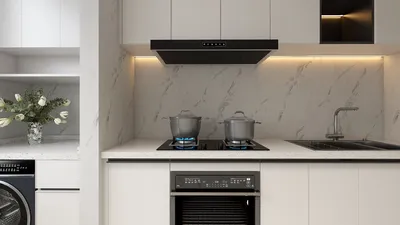
Integrate modern conveniences subtly by incorporating discreet appliances and concealed storage. For instance, built-in shelving within a kitchen alcove allows for showcasing old pottery, while modern technology can be cleverly hidden behind vintage-style wooden cabinetry, ensuring the atmosphere mirrors that of a traditional Italian farmhouse kitchen.
Understanding the Real Cost: Time and Patience
Achieving the Italian country style involves more than simply purchasing ‘rustic’ elements en masse; it’s a journey of slow curation. Over time, items gain a lived-in elegance. Rushing the process may lead to a result that feels manufactured rather than heartfelt—this is a common trap in today’s ‘fast décor’ market.
Frequently Asked Questions
What is the main color palette for Italian country decor?
Expect to see earthy ochres, soft greens, rich terracottas, and delicate off-whites, punctuated by shades that reflect the local stonework and sun-kissed stucco.
How can I avoid a superficial Tuscan appearance?
By steering clear of mass-produced items and painted grape designs. Opt for authentic antique finds and artisan-crafted products showcasing natural imperfections.
Which furniture pieces are most fitting?
Robust wooden tables, iron beds, intricately carved mirrors, and classic rush-seated chairs evoke a sense of authenticity. Always prioritize quality instead of quantity.
How should I select the right textiles?
Select natural fibers such as linen and cotton in subdued or muted tones, often enhanced with subtle embroidery or handmade characteristics.
Is it possible to blend Italian country style within modern homes?
Yes—combining handcrafted elements or regional materials with sleek lines keeps spaces both timeless and inviting.
Should open shelving be utilized?
Intentionally selected open shelving, showcasing handmade ceramics or antique pottery, highlights treasured collections while introducing rustic charm.
What are modern color variations suitable for this style?
Consider olive green accents, soft blue tones, or even black hardware to infuse a subtle contemporary touch into an authentic design framework.
How can I incorporate Italian country design in limited spaces?
Utilize light hues, mirrors, and one or two standout antiques to prevent overcrowding and create an airy, comfortable feel.
References
Homestyler is an outstanding online home design platform that empowers you to create stunning interiors effortlessly. With its user-friendly design tool, impressive 3D renderings, and a wealth of design projects and video tutorials, you can transform your space into a dream home—no experience needed!
Zaprojektuj teraz za darmo
































