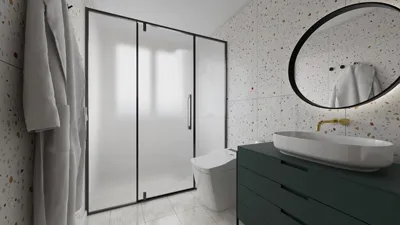


The future of hospitality intertwines seamlessly with innovative living spaces, allowing travelers to test out modern habits within the limits of current designs. Reports from AIA and NAHB highlight a growing trend towards flexible, multifunctional areas instead of purely expansive dimensions. This transformation resonates with me each time I utilize spatial reasoning tools. The layout of hotel rooms can be viewed as a compact operating system: it should initialize swiftly post-check-in, provide a tranquil atmosphere late at night, and allow natural light to fill the space just like a well-crafted user interface.
Clarity Suite: Entry Buffer + Diagonal View
Design Logic: A shallow entry alcove captures the chaos of luggage before guiding guests diagonally to a source of window light—today's travelers seek immediate orientation and privacy barriers for their hybrid work-life balance.
Flow: Entry → buffer bench → wardrobe wall → bed axis → desk ledge → window seat; a clear sequence that reduces cognitive load.
Sightlines: The primary focus is on the window rather than the bed; the bathroom remains discreetly out of sight, establishing a hierarchy where daylight acts as the main cue.
Storage: Ample wardrobe space plus under-bed drawers function as efficient storage solutions; an open shelf for chargers enhances quick access.
Furniture Fit: A queen-sized bed (60×80) acts as a central element; an 18-20 inch deep desk is unobtrusive; 24 inches of clearance ensures smooth movement during busy times.
Verdict: This design maintains privacy while showcasing light, proving durable for five years as an ideal setup for remote-work hospitality.
save pin
Studio Hybrid: Bed-Desk Partition with Soft Zoning
Design Logic: A half-height headboard wall separates sleep from work without enclosing walls—future guests might take calls at noon and enjoy darkness at night.
Flow: Entry → bathroom → coffee niche → desk behind a partition → bed → lounge ottoman; a circular path that balances work sprints and restful breaks.
Sightlines: The eye travels over the partition to reach the art and window; working areas are presented as secondary, minimizing visual distractions.
Storage: The partition features integrated cubbies; the coffee niche conceals the kettle and pods; a luggage slot fits under the desk, resembling a docked module.
Furniture Fit: A 30-inch desk depth accommodates peripherals; the ottoman also serves as a suitcase holder; wall sconces can pivot like APIs for diverse needs.
Verdict: Soft zoning combines function and aesthetics, enabling guests to transition easily between tasks while ensuring they enjoy deep, undisturbed sleep, irrespective of the room's mixed-use density.
save pin
Bath-Forward Core: Wet Zone as Acoustic Anchor
Design Logic: A centrally located bathroom acts as an acoustic barrier against corridor noise; modern travelers prioritize sound privacy just as much as quality amenities.
Flow: Corridor → bathroom core → surrounding spaces leading to bed and lounge → window; this circular layout keeps noise to the periphery.
Sightlines: Guests cannot see directly into the bedroom from the door; strategically placed mirrors reflect daylight while avoiding glare, presenting the room like a polished dashboard.
Storage: The towel tower and vanity drawers serve as solid storage options; a wall niche for toiletries keeps surfaces tidy.
Furniture Fit: A 36-inch turning radius ensures accessibility; a pocket door saves 9-12 inches of swing space; a compact lounge chair, measuring 28-30 inches, provides comfort without compromising space.
Verdict: The moist core enhances both security and tranquility; the room exudes a sense of calm, and usage patterns remain efficient across various guest stays.
save pin
Final Takeaway
The layout of a hotel room functions like a miniature operating system where movement, light, and storage coexist harmoniously. Variants like compact king configurations and work-optimized designs demonstrate that thoughtful intention often surpasses mere size. Going forward, modular amenities and strategic acoustic zoning will shape premium experiences just as much as high-end finishes. In my experience with tools like Homestyler, even minor spatial choices fundamentally alter how guests arrive, concentrate, and rejuvenate.

Minimalist Solid Wood Linen Fabric Three Seat Sofa 3D Model

Minimalist Boucle Fabric Tufted Sofa 3D Model
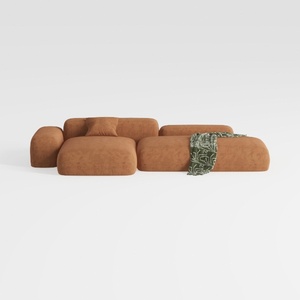
Minimalist Brown Fabric Modular Sectional Sofa 3D Model
Homestyler is the ultimate online platform for your home design needs. With its user-friendly design tool, stunning 3D renderings, and a wealth of design projects and video tutorials, you'll be inspired to create your dream space effortlessly—no experience necessary!
Projete agora para LIVRE
































