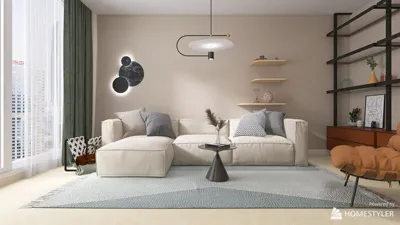


The future is increasingly favoring compact living spaces, while many homes today struggle with inadequate storage, poor layout synergy, and frustrating acoustics. According to the AIA, there is an ongoing need for energy-efficient, streamlined designs as family dynamics evolve. This presents an opportunity to reimagine spaces much like software programming. In this 24×24 floor plan, I conceptualize rooms as modular components where aspects like lighting, movement, and storage function akin to communication protocols. The essentials are already in place; I just need to utilize a spatial reasoning toolkit to enhance the design further.
Studio Coil: One-Room System With Zoned Layers
Design Concept: Envisioning a single 24×24 shell that operates as a flexible setup: transitioning between sleeping, working, cooking, and unwinding much like the ticking of a clock, this design recognizes the necessity for hybrid living and routine adjustments for remote work.
Flow: The movement pattern begins at the entryway leading to a kitchen bar node, then flows into the living area, workstation, and finally the sleeping alcove; eliminating dead ends creates seamless loops that reduce the time spent switching between tasks.
Sightlines: The diagonal perspective from the entrance to the window wall maintains spatial dynamics; a half-height storage feature serves to filter views, enabling a clear hierarchy of status, content, and detail.
Storage: Constructed around a 9'-0" perimeter, the cabinetry cleverly acts as a storage solution; incorporating toe-kick drawers, ceiling shelving, and a bed podium with categorized bins enhances capacity.
Furniture Arrangement: Featuring an 84" sofa, a 42" round table, and a queen-sized bed snugly fitting in a 7' alcove; each piece aligns with a 24" grid for a coherent assembly and easy updates.
Conclusion: This soft and adaptable design framework absorbs new devices and lifestyles without breaking the cohesion of the room, echoing the multifunctional aesthetics promoted by tools like Homestyler.
save pin
One-Bed Split: Quiet Core, Active Edge
Design Concept: The bedroom serves as a calm center, while active spaces encircle it, providing a structure adaptable for partners, pets, and flexible remote working arrangements.
Flow: The design guides the experience from the entry bench, through the galley kitchen, to the lively living area, pocket office, bedroom, and bath; this ring structure facilitates smooth transitions between different areas.
Sightlines: The kitchen's alignment with the window maintains enhanced morale; an offset bedroom door reduces screen glare and maintains a sense of privacy.
Storage: Featuring an 8' reach-in closet with dual hanging levels, a pantry column, and a hall closet to serve as an organized system for gear management, resembling a version control system.
Furniture Arrangement: Incorporating 30" clear walkways, 36" around the queen bed, and 72" for media setup maintains accessibility while respecting ergonomic standards inspired by the ADA.
Conclusion: This design fosters peaceful nights and vibrant daytime activities while integrating a small office space that doesn’t interfere with the living area, creating a stable environment for the next several years.
save pin
Micro Two-Room: Flex Partition As Protocol Switch
Design Concept: A sliding divider transforms the living space into a second room, accommodating new needs such as roommates, nurseries, or dedicated work areas.
Flow: The flow proceeds from the entryway through an L-shaped kitchen, leading to the living space, flex partition, secondary room, and bath; tasks are streamlined without conflicts.
Sightlines: When the partition is open, a 22' uninterrupted view flows through; when closed, clerestory windows allow natural light to filter in, balancing privacy with brightness.
Storage: Two modular wardrobes, a 12" deep bookshelf, and window benches for easy access make this a highly functional setup that ensures organization at varying heights.
Furniture Arrangement: The design accommodates a split sofa that can either connect or separate, a full bed in the flex room, and a desk that folds compactly—all adhering to a 12" modular design principle.
Conclusion: This design provides flexible living space—an envelope that can change roles without compromising on comfort or acoustics, perfectly demonstrated using tools like Homestyler.
save pin
Final Takeaway
Designing a 24×24 floor plan is not about compromise; it serves as an effective operating system for domestic life. Through careful attention to flow, strategic storage solutions, and furniture that aligns with a grid, this compact layout operates similarly to a generous interface. I believe that compact apartments and compact homes, particularly those envisioned through platforms like Homestyler, surpass larger, less efficient designs—proving that intentional geometry can outperform sheer square footage every time.

VECELO Modern, Rustic Brown, Tall Tree
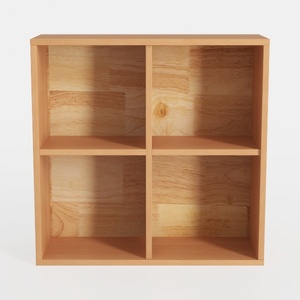
Best Choice Products 6-Cube Storage Organizer
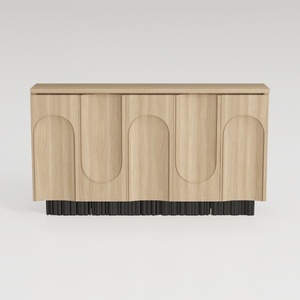
Sideboard Buffet Cabinet with Storage, 65" Modern
Homestyler is your go-to platform for all your home design needs! With its user-friendly online design tool, stunning 3D renderings, and a wealth of inspiring design projects and video tutorials, you can effortlessly transform your space into a dream home—no expertise required!
Concevez maintenant gratuitement
































