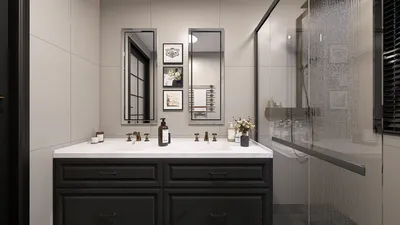


In a past project, I made the mistake of installing recessed lights in a client’s small galley kitchen, placing them too far apart. The result was a ceiling that resembled a constellation, leaving the work surfaces dimly lit. This experience taught me that the distance from the walls is crucial, often surpassing the importance of symmetry. Clever lighting placement is essential in compact spaces; with the right lighting design, using tools like Homestyler, you can create an illusion of a larger, brighter, and more functional area.
1. The Half Rule — Position Lights at Half the Ceiling Height from the Walls
To start off with a solid foundation for lighting design, I recommend placing recessed fixtures approximately half the height of the ceiling from the wall. For an 8-foot ceiling, this translates to about 4 feet away from the wall. This approach minimizes shadows on the wall and emphasizes vertical spaces, creating a perception of more depth in the room. The advantage of this technique is consistent lighting throughout, resulting in fewer shadowy corners; however, adjustments might still be necessary based on furniture arrangement and artwork placement.
save pin
2. Bring Fixtures Closer for Accent Walls
When aiming to highlight a textured or accent wall, it's beneficial to decrease the distance between the light fixtures—positioning them roughly one-third of the ceiling height apart. I applied this approach in a small living room to illuminate a distinctive wall, and the effect was stunning. The downside is that this may lead to uneven brightness, so consider dimmable trims or pairing them with wall washers for more uniform coverage.
save pin
3. Targeted Layouts for Task Areas are Essential
For areas like sinks, counters, or desks, adjust the spacing so that the light focuses where people work. In kitchens, for example, I typically stagger closer spacing over preparation zones while opting for wider spacing in other areas. This strategy minimizes harsh shadows on surfaces and enhances functionality without needing to install additional fixtures, ensuring a better user experience.
save pin
4. Combine Beam Angles for a Layered Effect
Avoid relying solely on one type of trim. Mixing narrow and wide beam angles offers a perfect blend of focused task lighting and general ambient illumination, particularly beneficial in narrower rooms. For instance, I transformed a rental living room by using a combination of 30° accent trims with 60° general trims, which created a sense of depth instead of a flat appearance. Though ordering different trims can introduce complexity, the payoff in aesthetic appeal makes it worthwhile.
save pin
5. Utilize a Lighting Plan Tool Prior to Installation
Before any installation, I always sketch out the lighting layout. For clients who appreciate visuals, I utilize a room planner, such as Homestyler, to experiment with spacing and sightlines. This approach helps to avoid backtracking to make repairs on the ceiling after drilling. While it's not infallible—considering joists and electrical pathways is still essential—it helps minimize surprises and effectively communicates the design intent to clients.
save pin
Tips 1:
For a quick reference guide: use the half rule for most areas, tighten space for accent walls, and always prioritize zones where tasks are performed. To visualize various spacing possibilities efficiently, the room planner I use helps demonstrate different layouts to clients pre-installation.
save pin
FAQ
Q1: What is the recommended distance for recessed lights from the wall?
A1: A widely accepted guideline is to place lights about half the ceiling height away from the walls. For instance, with an 8-foot ceiling, fixtures should be roughly 4 feet from the wall. Adjust closer for accent walls as needed.
Q2: How much space should there be between recessed lights?
A2: Standard recommendations suggest spacing them at the ceiling height (for example, with an 8-foot ceiling, about 8 feet apart). However, you should lessen the distance in task areas or where more even lighting is necessary.
Q3: Are special trims needed for lower ceilings?
A3: Indeed. It’s best to select shallow or slim-profile trims along with broader beam angles to avoid hotspots and create an illusion of height.
Q4: Should dimmers be installed with recessed lighting?
A4: Absolutely, incorporating dimmers offers greater control over ambiance and compensates for slight spacing errors.
Q5: Can recessed lighting be used to accentuate artwork?
A5: Yes, it's effective. Placing fixtures closer together and opting for narrow-beam trims or dedicated accent fixtures will help. Ensure beams are directed appropriately to minimize glare on frames.
Q6: How should I consider joists and wiring before installation?
A6: Using a stud finder helps in planning the positions of fixtures around joists. It's advisable to consult with an electrician to verify clearances and circuit load capacity.
Q7: Are there recommended online tools for layout planning?
A7: I often use a 3D floor planner, such as Homestyler, to visualize lighting layouts and test spacing before finalizing designs. This aids clients in grasping light distribution.
Q8: Where can I find reliable lighting standards?
A8: For detailed recommendations and safety standards, the publications from the Illuminating Engineering Society (IES) offer accepted metrics and best practices in the industry (ies.org).
save pin
Homestyler is your go-to online home design platform! With its easy-to-use design tool, stunning 3D renderings, and a wealth of DIY video tutorials, you can transform your space effortlessly. Explore countless design projects and unleash your creativity today!
Projete agora para LIVRE
































