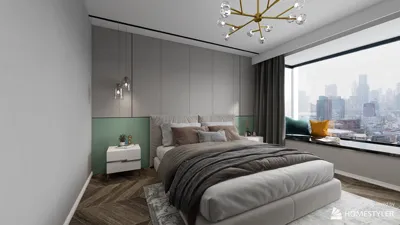


For several years, I have focused on creating serene environments in small bedrooms, home offices, nurseries, and studio apartments, where managing noise level is crucial for comfort. In these compact spaces, air conditioning units are often located near the user, emphasizing the importance of airflow acoustics, compressor functionality, and vibration control, in addition to effective cooling. Below is a comprehensive guide that I’ve put together to help you select the ideal quiet air conditioner for your small rooms, backed by industry insights and proven installation techniques.
Measured Quiet: What is Considered Low-Noise
In confined areas, target a sound level between 19 to 45 dB(A) during routine operation. The WELL v2 standard suggests that to promote restorative sleep, bedrooms should maintain background noise close to 30 dB(A), which directs my choices towards variable-speed systems and optimized airflow designs. Research from Steelcase establishes a connection between lower ambient noise and enhanced focus in work settings, a critical point for home offices where AC noises can hinder concentration. The reference points help clarify expectations: noise levels below 35 dB(A) at low fan speeds create a library-like quiet, while 36–45 dB(A) provides a sound level that is subtly discreet.
Assessing Quiet ACs for Small Spaces
My selection process combines acoustic performance criteria with user comfort and energy efficiency. I prioritize inverter compressors for smoother operation, multi-speed or DC brushless fans, and finely designed diffusers that minimize turbulence. The quality of filters also plays a crucial role in reducing airflow resistance and associated noise; using pleated, low-resistance filters can help quiet the system by allowing air to flow with less turbulence. Ergonomics are also considered—such as the arrangement of air returns and supplies relative to beds or desks—and the ease of maintenance to ensure enduring quietness. Utilizing a room layout tool, such as Homestyler, can aid in visualizing air distribution patterns, helping to prevent drafts in sitting or sleeping areas and decreasing perceived noise.
Best Quiet Options for Small Spaces (Categorized)
Instead of promoting specific brands, I categorize reliable options that typically achieve low noise levels when properly installed:
Sizing for Compact Areas: Efficient Cooling
Correctly sizing your unit is crucial for managing both noise and comfort. For an average small bedroom or office (100–250 sq ft), a capacity of 5,000–9,000 BTU/h is generally appropriate, depending on factors like insulation, window space, and exposure to sunlight. Oversizing leads to short cycling, which amplifies compressor activation and fan noise, while undersizing necessitates high fan settings. I analyze heating and cooling loads based on orientation, glazing, and usage, then opt for inverter models capable of reducing output for nighttime quiet—particularly beneficial for nurseries.
Placement and Configuration: The Key to Quietness
Smart layout choices can significantly diminish perceived sound. Position indoor units away from reflective corners and angle the air supply along the room's extended axis to minimize turbulence and drafts. In a tight office, aligning the AC unit to blow parallel to the workspace can help limit background noise during phone calls. In bedrooms, avoid directing airflow right at the bed; instead, opt for diffusion across the ceiling or over wardrobes. If considering options, an interior layout planner can be invaluable for visualizing airflow, furniture arrangements, and noise reflections, providing insights for using Homestyler in the process.
Acoustic Adjustments: Materials Matter
Noise management is not solely about the equipment; it encompasses the whole room system. Soft furnishings like curtains and wall panels effectively absorb high-frequency fan noise. Additionally, placing a low-pile rug under the AC unit can help minimize secondary sound reflections. Sealing gaps around window or wall units is essential to prevent whistling noises; even the smallest openings can create noticeable sound issues. Implement neoprene isolation pads and eliminate hard contacts between the unit’s frame and surroundings. It’s important to secure condensate lines, as vibrations can act like a sound amplifier.
User Comfort and Ergonomics
I take note of how individuals utilize small rooms. In sleep areas, some sleepers are more sensitive to low-frequency hum than to airflow noise; thus, I recommend inverter systems that maintain consistent RPM and avoid sudden fluctuations during early morning hours. For home offices, clarity of speech becomes the main focus; it's essential to keep the LAeq below 40 dB(A) during calls and adjust fan settings to have a flatter profile. User-friendly remote controls with straightforward temperature adjustments and night modes can further enhance comfort while reducing unintended noise disturbances.
Energy Efficiency, Humidity Control, and Wellness
Quieter air conditioner systems frequently boast improved energy efficiency—variable-speed compressors curtail unnecessary cycling. Aim to keep relative humidity between 40-50% for optimal comfort, as drier air can feel cooler at lower temperature settings, allowing for quieter fan operations. Regular cleaning of filters, ideally every two weeks, during peak seasons is crucial. High-quality filtration not only reduces noise but also improves indoor air quality, aligning with WELL strategies to enhance respiratory health.
Essential Features Checklist for My Shortlist
Installation Techniques for Optimal Silence
Ensure the unit is leveled correctly to avoid vibrations. Use closed-cell foam to seal any gaps around it. Minimize metal contact points to prevent humming. Keep drain lines properly sloped and secured. Direct power cords away from any resonant surfaces. Following installation, operate the unit on a low fan setting for about 10 minutes to detect any rattles; these issues usually become apparent quickly. Sometimes minor adjustments—like tightening a grill screw or adding a felt washer—can significantly reduce noise, enhancing the overall experience.
Frequently Asked Questions (FAQ)
Aim for noise levels between 30–35 dB(A) during night hours. Many ductless mini-split units can achieve quieter than 30 dB(A) on low settings, providing an ideal library-quiet environment for most sleepers.
Absolutely. Inverter-based units regulate the compressor seamlessly, avoiding the loud start/stop cycles common in other systems and allowing for lower fan speeds that maintain a quiet atmosphere.
Portable units typically operate around 50–60 dB(A). Dual-hose versions tend to offer better balance and can be quieter, yet they seldom match the quiet performance of mini-splits or well-installed window units.
Directing air along the room's length and away from both seating and the bed can diminish jet noise and prevent drafts. It's also advisable to avoid corners and reflective surfaces which can amplify sound.
Regular maintenance is key. Clean filters periodically, check seals, tighten panels, and inspect drain lines. Dirty filters compel the system to operate at higher fan speeds, thus increasing noise.
Yes. Soft furnishings—such as rugs, curtains, and upholstered pieces—help to absorb higher frequency fan noises and diminish sound reflections, which can lower the perceived loudness in a room.
Certainly. Units that are too large lead to short cycling, which results in frequent compressor ramps and airflow surges, both of which users find disruptive and noisy.
They certainly can. Gentle adjustments of temperature settings, quiet night modes, and adaptive fan speeds can help avoid loud transitions, maintaining a more stable sound environment.
Typically, single-zone ductless mini-splits with inverter technology are the quietest, especially when running on low fan speeds and with appropriate installation practices.
Indirectly impactful. Maintaining appropriate humidity levels (around 40–50%) allows for using lower temperature settings and slower fan speeds, thereby reducing noise while ensuring comfort.
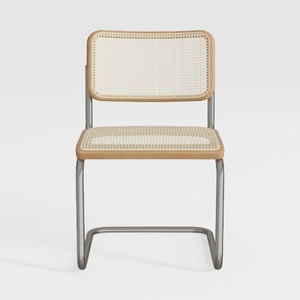
Modern Cane Solid Wood Metal Dining Chair 3D Model
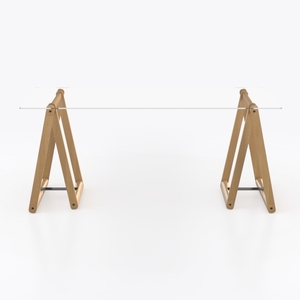
Minimalist Solid Wood Glass Top Desk 3D Model
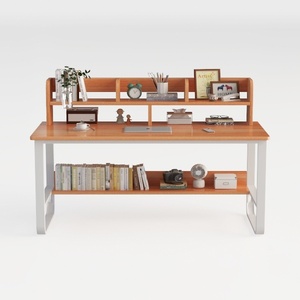

Modern Solid Wood Metal Multi tier Home Office Desk 3D Model
If you're looking to transform your space, Homestyler is your go-to online design platform. With its easy-to-use design tool and stunning 3D renderings, you can visualize your dream interiors. Plus, enjoy an extensive library of design projects and helpful DIY video tutorials to inspire your creativity!
تصميم الآن مجانا
































