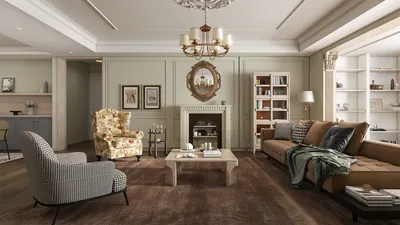


When selecting a queen sleeper sofa for limited spaces, it’s essential to carefully consider dimensions, mechanisms, and materials, similarly to how one would approach designing compact hospitality suites and micro apartments. The objective is straightforward: to achieve a small footprint during the day while providing a genuine queen sleep surface at night, without sacrificing movement, natural light, or acoustics. Recent studies by Steelcase indicate that multifunctional furniture can enhance spatial satisfaction and reduce perceived clutter by as much as 20% in hybrid living environments, a trend I've consistently observed when a sleeper is chosen over a traditional sofa combined with a guest bed. Furthermore, the WELL v2 guidelines underscore the importance of sound, ventilation, and light quality on sleep; integrating these elements around a sleeper sofa can significantly enrich the overall experience in small spaces, especially when utilizing tools like Homestyler for layout design.
From a performance perspective, both mattress support and seat ergonomics are critical, alongside dimensions. Research from Herman Miller regarding posture and pressure distribution emphasizes the necessity of lumbar support and durable cushion resilience for seated activities or relaxation. In compact rooms, I aim for at least 30–36 inches of clear walkway around the bed when opened, ensuring that sightlines to windows are maintained to maximize natural light. For industry benchmarks concerning comfort and wellness, the WELL v2 standards serve as a reliable resource addressing sleep, lighting, and sound—elements that can be effectively arranged using Homestyler for optimal results.
Not all queen sleeper sofas are created equal. The type of mechanism—be it pull-out, click-clack, lift-and-fold, or modular slide—affects the footprint, ease of use, and mattress thickness. In smaller living areas, I prefer front-pull mechanisms with wrapped frames and elastic webbing, as they prevent pressure points from hinges while maintaining seat comfort. A standard queen mattress measures approximately 60" x 80"; always verify the open depth (often between 85–95") against your room’s clearances and door swings. For planning alternative furniture layouts and testing traffic patterns before making a purchase, a room layout tool, like Homestyler, can effectively simulate open-bed scenarios and circulation requirements.
Essential Factors for Selecting Small-Space Queen Sleepers
• Footprint considerations: Aim for a closed width under 80" and a seat depth of about 20–22" to harmonize seating posture with compactness, ensuring at least 18" clearance between the coffee table and the front rail for knee space.
• Sleep space clearance: Allow at least 36" on one side when the bed is deployed to ensure safe access. In studio apartments, consider rotating side tables or utilizing nesting pieces for quick space adjustment.
• Mechanism durability: Search for tempered steel frames, sinuous springs or webbing, and a single-motion pull that functions smoothly. Test the hinge path to ensure no sharp corners are present.
• Mattress quality: Opt for high-resilience foam (HR 35–45), gel-infused memory foam, or hybrid coils with a breathable cover. Remember, thickness is not always synonymous with quality; a 4–6" mattress with the right support can outperform thicker options that utilize low-density foam.
• Ergonomic seating: A back pitch of 100–110 degrees facilitates relaxed conversation; variability in cushion ILD across a layered seat helps prevent bottoming out while maintaining responsiveness.
Ideal Mechanism Types for Queen Sleepers
• Front-pull trifold: This mechanism is compact, quick to operate, and generally accommodates a true queen size. Look for models that feature wrapped joints and exclude a central bar under the lumbar area.
• Lift-and-lower platforms: These are ideal for narrow spaces since the bed unfolds forward, requiring little room behind it. They typically accommodate thicker mattresses.
• Click-clack futon hybrids: While they maximize space efficiency, these models rarely achieve full queen dimensions or comfort; they work well for occasional guests if paired with a topper.
• Modular slide-outs: This type extends the seat base while dropping the back panel; it’s advantageous for studios as the open bed aligns with existing traffic patterns.
Size, Scale, and Proportions
Small spaces benefit from a visually lighter aesthetic: slender arms (3–5"), elevated legs (6"+ for airflow), and a balanced back height (30–34") that doesn’t obstruct windows. I typically combine compact sleepers with slim side tables and wall-mounted light fixtures to keep the floor area clear. A length of 68–78" for the sofa is ideal for most small living rooms; longer models may disrupt spatial balance and appear oversized.
Comfort, Material Quality, and Sustainability
High-resilience foam seat cushions or those with a down-blend wrap provide comfort without excessive bulk. Opt for woven performance fabrics (minimum 30,000 double rubs) that resist pilling and ensure stain protection; removable, machine-washable covers are a boon for homes with children or pets. Choosing FSC-certified frames and low-VOC finishes supports healthier indoor environments and helps reduce odors, a subtle yet significant advantage in smaller settings.
Lighting and Acoustic Elements
Even the most comfortable sleeper can feel inadequate if glare, noise, or poor ventilation are prevalent. I align the sofa to harness natural light; cooler color temperatures (3500–4000K) work well for daytime tasks, while warmer tones (2700–3000K) aid relaxation before sleep. Adding a rug with a dense pile can help absorb reflections, and positioning soft furnishings at first reflection points can minimize sound issues. Strategies from WELL v2 regarding light and sound integration apply well to residential contexts, ensuring evenings are restful.
Understanding Color Psychology for Small Rooms
Colors can either compress or expand the perceived volume of a space. Soft neutrals with cool undertones visually recede while deep, saturated accent colors draw attention without overwhelming the environment. In ready-to-host studios, I utilize subdued color palettes—such as taupe, slate, and dusty green—and add character through movable accessories (like throws and artwork) that maintain harmony with bedding when the sleeper is in use.
Effective Layout Strategies
• Consider floating the sofa if wall placement obstructs pathways; a compact console behind the sofa can hold lamps and charging devices while maintaining bed clearance at night.
• Employ wall sconces with swing arms to saves space on side tables and prevent lamp bases from interfering with a pulled-out frame.
• Utilize area rugs to define zones according to the open bed footprint; this aids in maintaining intuitive circulation. When experimenting with different orientations—parallel to windows or perpendicular—simulate the bed in the open position to ensure clear exits: utilize Homestyler as an interior layout planner.
My Criteria: What I Seek in a Queen Sleeper
• Smooth one-hand operation for opening and closing, ensuring no scraping of feet occurs.
• True queen dimensions (approximately 60" x 80") with a supportive base—no center bar beneath the back area.
• Breathable mattress cover with potential storage for toppers within the chaise or base.
• A tight-back silhouette with medium arm height helps to conserve space while maintaining comfort.
• Elevated legs facilitate cleaning and enhance visual appeal; consider options in brushed metal or hardwood with protective caps.
Arrangement and Flow in Micro Apartments
In apartments ranging from 400–600 sq ft, I position the sleeper perpendicular to the longest wall, shortening the open pathway and safeguarding proximity to the kitchen. If a primary window is located behind the sofa, I recommend a clearance of 6–8" to prevent curtain obstructions. In studio apartments, a low open shelf can serve dual purposes as a headboard at night and a media stand by day.
Maintenance, Durability, and Daily Use
Compact sleepers frequently undergo opening cycles. Choose models equipped with replaceable bushings and bolts, and inspect the hinges every six months. Regular vacuuming under the seat is crucial for preventing grit buildup in tracks. If the design permits, rotate the mattress quarterly, and promptly spot clean performance fabrics using mild detergent, steering clear of saturating foam cores.
Budget Considerations and Value
Expect pricing to reflect the quality of the mechanism and fabric specifications. Mid-range models sporting HR foam and steel frameworks provide excellent value for everyday use. If guests are expected to stay more than twice a month, budget for a high-quality mattress or topper to safeguard sleep quality. In small spaces, poor layout represents a hidden cost—be sure to plan before purchasing and verify dimensions concerning circulation and storage requirements.
Common Questions
Q1: What is the minimum room size for accommodating a queen sleeper?
A: A comfortable setup begins around 9' x 11'. Ensure approximately 85–95" of open depth and a 30–36" clear walkway. Utilize masking tape or a layout simulation tool to confirm access.
Q2: Which mechanism is optimal for nightly use?
A: Front-pull trifolds or lift-and-lower platforms with a solid base perform exceptionally well for regular use. Ensure no support bar is under the lumbar area and that the mattress measures at least 4–6" of high-resilience or hybrid foam.
Q3: How can I enhance sleep quality on a sleeper sofa?
A: Use a breathable mattress topper in conjunction with proper light control (2700–3000K in the evening) and minimize sound reflections with softer surfaces. The WELL v2 guidelines concerning light and acoustics complement these best practices.
Q4: Which fabric performs best in compact, high-traffic living rooms?
A: Look for woven performance textiles rated for 30,000+ double rubs with stain-resistant characteristics. Removable covers are optimal for tight dwellings where ease of cleaning is essential.
Q5: Can queen sleepers fit through standard doorway sizes?
A: Generally, yes, but always measure carefully. Standard interior doors range from 30–36" wide; confirm packaged depth and height, and check for tight stair turns. Removable legs facilitate navigating through narrow entries.
Q6: Is incorporating a chaise storage module worthwhile?
A: Definitely, especially if your setup varies frequently. It can store toppers and bedding, reduces visible clutter, and streamlines nightly preparation in compact apartments.
Q7: What’s the best way to arrange lighting around a sleeper?
A: Utilize wall-mounted sconces or dimmable ceiling lights to prevent collisions with lamp bases. For daytime usage, cooler tones of 3500–4000K are great; shift to warmer shades in the evening to enhance relaxation.
Q8: Is it feasible to use a queen sleeper for primary seating?
A: Yes, absolutely, provided that the seating ergonomics are appropriate—aim for a back pitch around 100–110 degrees, and incorporate layered cushions to avoid sagging. Herman Miller’s research reinforces the importance of balanced lumbar support for daily usage.


Discover the joy of home design with Homestyler! This user-friendly online platform offers a robust design tool, stunning 3D renderings, inspiring design projects, and helpful video tutorials. Whether you're a beginner or a DIY pro, Homestyler makes it easy to create your dream space effortlessly!
تصميم الآن مجانا
































