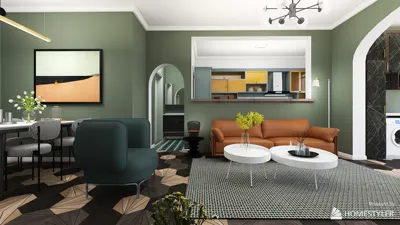


I have utilized PVC cabinetry in various settings including rental apartments, coastal residences, and family-centric kitchens where durability against moisture and ease of cleaning are essential. It offers a refined and modern aesthetic with notable resilience—provided that one comprehends its construction, limitations, and optimal applications. Below is a practical viewpoint rooted in the principles of building science, ergonomics, and the realities of everyday kitchen operations, seamlessly integrated with the use of Homestyler.
In frequently used kitchens, the durability of surfaces and ease of maintenance are directly linked to overall satisfaction. Research by Herman Miller emphasizes how the tactile nature of materials and the simplicity involved in their upkeep can affect the long-term experience of users. From a health perspective, the choice of materials and finishes plays a crucial role in indoor environmental quality. According to WELL v2 guidelines, minimizing exposure to pollutants while enhancing ease of cleaning promotes occupant health. These standards serve as an insightful lens when evaluating PVC in comparison to laminates, thermofoil, and painted wood options.
Understanding PVC in Kitchen Cabinetry
The majority of residential "PVC cabinets" are classified into three main types: (1) PVC laminate, which involves a polyvinyl film or sheet adhered to an MDF, HDF, or plywood base; (2) thermofoil, where a vinyl film is heat-pressed onto MDF surfaces; and (3) solid PVC boards, which are less common and primarily used in high-moisture areas or for budget-conscious projects. The performance in real-world situations is influenced more by the choice of substrate, quality of adhesives, and edge treatments than the brand name referenced on the specifications.
Aesthetics and Finish Choices
Modern PVC laminates have advanced significantly, now offering options such as super-matte finishes, high-gloss surfaces, and textured wood patterns that appeal to both sight and touch. In open-plan homes, I prefer using super-matte, low-sheen finishes to minimize glare and visual fatigue. The WELL v2 promotes glare management in ambient settings, enhancing overall comfort. For color choices, soft neutral tones mitigate harsh task lighting, while darker shades on base cabinets provide grounding. From a color psychology perspective, balanced neutrals can alleviate visual distractions and decision-making fatigue—principles of color psychology suggest that cooler tones promote concentration and tranquility in busy kitchens.
Strength and Moisture Resilience
PVC-laminated cabinet fronts are highly resistant to humidity and splashes, making them ideal for areas near sinks and dishwashers. However, caution should be exercised near heat sources: prolonged exposure to concentrated heat from oven vents or countertop appliances can damage edges and adhesives. From an ergonomic and usability standpoint, I suggest installing heat baffles next to cooking ranges and maintaining a clearance of 2–3 inches for countertop appliances that release steam. If your home is subjected to heavy boiling and frequent baking, pairing PVC fronts with heat-shielding fillers and metal trims may be beneficial.
Integrity of Edges and Construction Quality
The integrity of the edges is a crucial detail in cabinetry quality. Look for PVC laminates that feature laser or PUR (polyurethane reactive) edge-banding, as these bonds offer superior resistance to heat and moisture compared to traditional EVA glues. Continuous wrap (3D thermofoil) provides a seamless appearance on Shaker-style profiles but should be sourced from reputable manufacturers to prevent delamination over time. For slab doors, I recommend utilizing PVC on high-density substrates with laser edges—offering clean lines, fewer failure points, and facilitating easy maintenance.
Cleaning and Maintenance
Maintaining these cabinets is uncomplicated: a microfiber cloth along with a mild, pH-neutral cleaner suffices. Refrain from using abrasive pads and solvent-heavy products that may dull or degrade the finish. Glossy surfaces make it easier to wipe away grease in cooking areas, while matte finishes are better at concealing fingerprints in high-traffic households. Additionally, choosing hardware wisely—such as full-length pulls—can help reduce skin oils on cabinet doors and enhance ergonomic benefits, especially when hands are wet or soapy.
Comparative Performance with Alternatives
- Thermofoil (vinyl wrap): Offers seamless designs and is cost-effective, but it can be prone to heat damage if improperly manufactured or placed too close to ovens.
- High-pressure laminate (HPL): Provides a robust and heat-resistant surface with strong edges, generally priced higher than basic PVC options, but offers exceptional long-term value.
- Painted MDF: Offers aesthetic appeal and repairability with a wide range of colors, though it’s more susceptible to chips at high-usage corners and demands careful maintenance.
- Wood veneer: Provides warmth and depth, aging beautifully, yet requires strict humidity control and protective finishes around sinks.
Financial Considerations and Longevity
PVC cabinets can be an economical choice, particularly for rental units, secondary kitchens, and quick upgrades. In primary kitchens for homeowners, I assess the use of PVC in moisture-prone areas while integrating HPL or lacquer nearby heat sources. This hybrid strategy often strikes the ideal balance between cost, durability, and aesthetics. Insight from Steelcase Research highlights that in workplace environments, materials characterized by durability and ease of maintenance correlate with long-term user satisfaction—this insight is equally applicable to residential kitchens facing daily wear and tear.
Ergonomics and Layout Optimization
Cabinet materials function best when the layout facilitates natural movement. I typically design primary cooking triangles (sink-range-fridge) within a total travel of 12 to 26 feet, ensuring ample preparation space adjacent to the sink. It’s advisable to position tall ovens away from door edges of PVC fronts to minimize heat exposure and to install task lighting precisely where activities occur to limit the need for bending or stretching. Utilizing Homestyler, a simple room layout tool can be incredibly helpful in visualizing clearances, appliance door swings, and traffic patterns before finalizing decisions.
Illumination and Visual Comfort
Glossy PVC surfaces might reflect hotspots; matte finishes distribute light more evenly. In preparation areas, I target task lighting levels of around 300–500 lux, with a color temperature of 2700–3500K to maintain the natural appearance of food. Indirect under-cabinet lighting can help reduce shadows at work surfaces. Glare management is essential for visual comfort, and the WELL v2 emphasizes glare reduction strategies that complement low-sheen cabinet finishes, achieving a harmonious brightness.
Acoustics and Comfort in Everyday Use
While cabinets do not function as acoustic panels, the density of the materials and the type of door hardware can impact perceived noise levels. Incorporating soft-close hinges and felt bumpers can mitigate impact sounds that often escalate in kitchens with hard surfaces. In open-plan environments, balancing reflective finishes (like glass or gloss PVC) with absorptive textures (such as rugs, upholstered seating, or curtains) can help maintain comfortable reverberation times for conversations.
Sustainable Practices
The sustainability credentials of PVC are intricate. While advancements in manufacturing and recycling processes exist, options for end-of-life disposal can vary based on regional infrastructure. For those prioritizing sustainability, focus on robust construction that ensures a longer service life, use low-VOC adhesives, and substrates that adhere to recognized indoor air quality standards, as well as modular designs that permit future upgrades without disposing of the cabinet boxes. Combining PVC fronts with durable plywood carcasses can enhance long-term value.
When PVC is the Preferred Option
- Homes located near coastlines or in areas with high humidity levels where resistance to moisture is critical
- Rental properties and family kitchens requiring low-maintenance, forgiving finishes
- Contemporary design themes that aim for uniform color and clean lines on a budget
- Secondary kitchens, pantry spaces, laundry rooms, and bathroom vanities
When to Explore Alternative Materials
- Households that engage in extensive baking with frequent, intense heat exposure near ovens
- Clients desiring the character of hand-rubbed wood and a natural aging process
- Projects emphasizing fully recyclable or non-PVC materials
Checklist for Specifying PVC Cabinets
- Choose moisture-resistant MDF or plywood substrates where necessary
- Opt for laser or PUR edge-banding on slab fronts
- Design heat protection strategies with baffles, fillers, or metal trims around ovens and dishwashers
- Select soft-close hinges and slides; utilize long pulls for enhanced cleanability
- For finishes, choose matte surfaces to minimize glare and glossy options for simpler grease removal in cooking zones
- Install task lighting around 300–500 lux, at a color temperature of 2700–3500K, including continuous under-cabinet lighting strips
- Verify clearances and appliance ventilation with layout simulations before final decisions
Frequently Asked Questions
Safety is contingent upon the quality of films, adhesives, and substrates used. Opt for low-VOC components and choose reputable fabricators. The WELL v2 guidelines suggest selecting certified low-emission products to minimize indoor pollutants and foster health.
Yes, they can be damaged if exposed to excessive heat or if inferior adhesives were employed. Ensure that PUR-bonded edges and maintain radiator clearances from oven vents. Proper installation and incorporation of heat shields can significantly mitigate risk.
While HPL surfaces generally outperform PVC in heat and impact resistance, quality PVC can still effectively handle moisture and routine cleaning tasks. In high-heat zones, HPL surfaces have the advantage.
Certainly, glossy surfaces tend to reveal blemishes more than matte finishes. In kitchens frequented by children or high foot traffic, super-matte PVC provides a refined aesthetic while camouflaging smudges more effectively.
Minor scuffs can often be repaired using color-matched kits; however, deep cuts are more challenging to conceal than those on painted wood surfaces. It’s advisable to keep a few spare fronts for consistency in visible areas over time.
These surfaces are a reliable choice since they resist swelling and blistering from moisture. Nevertheless, ensure that moisture-resistant substrates are utilized and that appliances are properly ventilated to protect edges from steam damage.
Ideal task lighting is around 300–500 lux at a color temperature of 2700–3500K. While matte PVC can diminish glare and visual strain, gloss requires evenly distributed light to avoid hotspot formation.
The situation is mixed. While durability and ease of cleaning can prolong service life, access to recycling options at the end-of-life stage can be limited in certain areas. If sustainability is a primary concern, consider hybrid options or verified low-emission alternatives to PVC.
With proper fabrication and sensible heat shielding, strong performance for 10–15 years is common, often exceeding that in kitchens with moderate usage. The quality of hardware and daily maintenance can extend longevity significantly.
Glossy, hard-surfaced cabinets can amplify sound. To reduce reverberation, couple soft-close hardware with soft furnishings like rugs or curtains, along with upholstered seating.
A mixture of warm water with mild, pH-neutral dish soap applied with a microfiber cloth will suffice for cleaning. Ensure to rinse and dry thoroughly, while avoiding abrasive materials and strong solvents that could dull the finish.
Absolutely. I frequently employ PVC for base and pantry units while selecting warm wood or painted options for upper cabinets to achieve a visually appealing contrast—striking a smart balance between performance and aesthetic character.
Homestyler is your go-to online home design platform, ideal for both novices and experienced designers. With its user-friendly design tool, impressive 3D renderings, inspiring design projects, and helpful video tutorials, creating your dream space has never been easier or more enjoyable!
Design Now for FREE
































