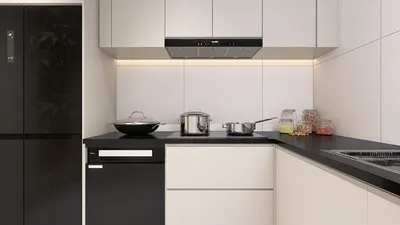


I have revamped numerous compact kitchens, ensuring that every inch serves a purpose. A well-selected pull-down faucet consistently exceeds expectations: it extends your reach, combines functionalities, manages splashes, and maintains an uncluttered view. In constrained spaces, these advantages accumulate rapidly. Studies on human factors support my observations—reducing reach and awkward positions significantly enhances comfort and efficiency during tasks. The WELL v2 Ergonomic Support feature emphasizes neutral wrist positions and reduced repetitive strain as vital for user wellbeing; versatile fixtures that lessen awkward reach resonate perfectly with this concept (WELL v2 Ergonomic Support). Steelcase’s workplace research indicates that micro-adjustability enhances sustained comfort and productivity, a principle that translates effectively to adaptable kitchen fixtures like Homestyler faucets.
Effective design also acknowledges how individuals actually use their kitchens. In limited layouts, the sink becomes the hub—preparation, rinsing, filling, and cleaning all occur here. Pull-down sprays minimize movement and consolidate tools right at the sink. This slight behavioral adjustment aids in efficiency during meal preparation and cleanup. Additionally, color and lighting influence functionality; brighter task lighting around the sink decreases visual strain (according to IES task lighting recommendations), and neutral finishes contribute to a calm aesthetic in small kitchens. For further insights into the subtle impact of color on perceived cleanliness and appetite, refer to color psychology.
What Makes a Pull-Down Faucet Suitable for Compact Kitchens
Pull-down designs incorporate a retractable spray head within a high-arc spout, allowing one tool to perform various tasks—rinsing, sweeping, filling, and spot-cleaning—eliminating the need for a separate side spray. In the 24–30 inch sinks commonly found in apartments and accessory dwelling units, this built-in versatility compensates for limited basin width and depth. The ergonomic vertical pull promotes a more neutral wrist posture, aligning forearm positioning compared to angled side sprays, while also reducing shoulder movement. During my projects, I prioritize spray heads with at least two modes (aerated stream and blade or sweep spray) alongside magnetic docking to ensure the head stays aligned and drip-free.
Ergonomics and User Experience You Can Perceive
Comfort manifests in minor actions: fewer reaches, less twisting, and reduced hovering over the sink. Adjustable spray patterns allow users to tailor force according to the task—gentle for herbs and concentrated for cookware. This aligns with WELL strategies aimed at alleviating repetitive stress and awkward postures (WELL v2 Ergonomic Support). I also consider faucet height according to the users; if the spout crown is positioned at or just below the user’s elbow while standing comfortably, it minimizes shoulder elevation during prolonged tasks. Pairing this with a sink depth of 8–9 inches reduces the need for deep reaching.
Layout Considerations in Limited Spaces
In spaces where every inch is vital, the sink-faucet combination must fit efficiently within both the horizontal and vertical layout. Center the faucet over the primary bowl and maintain at least 2 inches of distance from the splashback to enable complete docking. Avoid placing wall cabinets directly above the arc to facilitate a smooth pull-down action. If you are exploring kitchen design options or verifying measurements, a quick mockup using a room layout tool can help confirm faucet arc, cabinet clearance, and elbow space for handle operation.
Spray Patterns and Flow Control
Two to three spray modes can easily handle the majority of daily requirements. A laminar or aerated stream for filling pots minimizes splash, while a fan or blade spray enhances rinsing with less water, which is particularly important for small sinks where turbulence can lead to messiness. Look for user-friendly thumb toggles and a subtle detent, enabling users to switch spray modes mid-task without straining their grip. In open-plan studios, quieter flow technology combined with anti-splash design helps contain noise and spray, which is especially beneficial when the living space is just a few feet away.
Finish, Color, and Visual Serenity
In small kitchens, visual clutter can appear overwhelming. Satin or brushed finishes do a better job of concealing water spots than polished chrome under bright task lighting, preserving that fresh “clean” aesthetic even between cleanings. If you wish to explore color psychology, softer warm metallics (like champagne bronze and soft brass) can add warmth without harshness, while cool stainless options present a sharp, professional look. Keep your palette simple—using a maximum of two metals—to ensure visual harmony and balance across compact spaces.
Durability, Cartridges, and Docking Features
The quality of the faucet resides in its interior: look for a ceramic cartridge for smooth, leak-free operation; braided stainless supply lines; and a docking system, either weighted or magnetic, that secures the spray head with a satisfying click. In small spaces, reliable docking is essential to prevent the head from hanging down into the basin, which can disrupt the visual appeal. If you cook frequently, opt for metal spray heads instead of plastic to withstand heat and cleaning chemicals more effectively.
Handle Positioning and User Preference
The ergonomics of handle placement are frequently overlooked. Right-handed users typically find a handle placed at 1–2 o’clock most comfortable, while left-handed users prefer a 10–11 o’clock position. This configuration helps keep the wrist in a neutral position, away from the backsplash. In exceptionally tight countertops, a forward-only rotation keeps the hot and cold levers from hitting the wall. If the counter overhang is minimal, be sure the handle clears the back edge to avoid knuckle bumps; this is another scenario where a quick room layout tool can facilitate planning.
Water, Illumination, and Acoustic Comfort
Effective task lighting over the sink should provide bright, glare-free illumination—aim for 300–500 lux on the work surface, coupled with a 2700–3500K color temperature to promote accurate food preparation and comfort, in accordance with IES task lighting guidelines. Acoustically, small kitchens with hard surfaces can amplify sound. Consider pairing your faucet with a sound-dampening sink (insulated underneath) and select spray patterns that minimize splashing. The objective is to achieve a gentle hiss rather than a harsh splash, especially in open-concept environments.
Space-Saving Features Worth Investment
Sustainability and Water Conservation
In compact apartments, lower flow rates can notably change how water pressure feels since the faucet is in close proximity to surfaces. Seek out WaterSense-rated fixtures with flows around 1.5–1.8 gpm combined with effective spray geometry. For materials, prioritize lead-free brass constructions and low-VOC sealants in surrounding cabinetry. If you aim for wellbeing-centered interiors, the water features advocated by WELL emphasize quality and user trust—visible labeling and easily maintained aerators are crucial for sustaining both performance and hygiene (WELL v2 Water).
Installation Considerations for Compact Kitchens
Before making a purchase, measure the space under your sink to ensure you have enough clearance for the hose to move freely without obstruction by traps, disposal units, or cleaning supplies. In particularly small cabinets, secure the hose path with adhesive guides to prevent tangling. If you're upgrading from a two- or three-hole deck, utilize an escutcheon plate—but keep it narrow to avoid crowding the handle. Sealant should be tidy and minimal; excessive sealing can create a messy appearance in compact spaces.
Maintenance, Care, and Durability
Compact kitchens see daily heavy use, making ease of maintenance critical. Select finishes that work well with mild, non-abrasive cleaners; avoid strong bleach near rubber components. Regularly descale the spray face by flexing the silicone nozzles with your thumb. Annually, flush the lines and cleanse the aerator. A high-quality pull-down faucet should feel solid even after five years—no loose heads or sticky toggles.
When a Pull-Down Faucet Might Not Be Suitable
If your window sill or lower shelf interferes with the spout’s arc, a pull-out faucet (which features a shorter arc with a horizontal pull) could be a smarter choice. Very shallow sinks might also experience more splashing with high-arc designs; consider using laminar flow and a lower installation if possible. In rental properties with stringent specifications, confirm the hole count and deck thickness prior to purchasing—some heavier faucets require reinforced installations.
Quick Specification Checklist
FAQ
By integrating the side spray into the spout, it streamlines design, clears the deck, and reduces the number of tools needed within arm's reach—benefits that become especially apparent in narrow spaces.
Pull-down: taller arc, vertical pull, optimal for deep rinsing and handling large pots. Pull-out: shorter structure, horizontal pull, practical if there are low shelves or adjacent window sills.
Aerated or laminar stream for filling, coupled with a sweep or blade spray for quick rinsing. These two options adequately address most tasks while managing splashes.
Ensure at least a 2–3 inch clearance beneath the cabinet face to allow for free docking and comfortable hand movements. For tighter areas, consider a compact arc or pull-out solution.
Target 300–500 lux at the sink with a 2700–3500K color temperature while ensuring effective glare control, adhering to IES task lighting standards.
Not necessarily. With effective spray geometry (either sweep or blade), strong rinsing can be achieved at 1.5–1.8 gpm, and smaller basins can enhance the feeling of pressure.
Ensure the hose is routed with adhesive guides, maintain a clear weight path, and keep the space beneath the sink uncluttered to avoid interference with the disposal and trap.
Brushed or satin finishes disguise water spots and fingerprints more effectively than polished chrome, particularly under bright task lighting.
Indeed—if your faucet is situated near a backsplash or wall, a forward-only movement keeps it from colliding and ensures smooth operation.
Regularly flex-clean the silicone nozzles to eliminate scale, clean the aerator periodically, and refrain from using harsh abrasives on the finish.
The vertical pull supports a neutral wrist position and minimizes reach, aligning with WELL v2 ergonomic strategies aimed at reducing strain.
Opt for a lower arc, employ laminar flow to limit splashing, and consider using a sink mat for impact absorption.
Transform your home design dreams into reality with Homestyler! This user-friendly online platform offers an intuitive design tool, stunning 3D renderings, and a wealth of DIY video tutorials. Whether you're a beginner or an expert, you'll find inspiration and guidance to create your perfect space effortlessly.
Projete agora para LIVRE
































