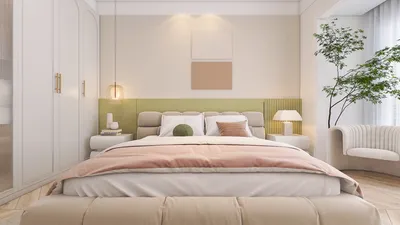


In my experience, a client once insisted that their living room wall echoed the exact hue of their grandmother's cherished china — even to the minutest detail. I spent an afternoon discovering that achieving impeccable color matching begins with the method of collecting the actual paint sample from the wall rather than relying on ornate swatches. For minor projects and compact spaces, small adjustments can yield striking results. Here, I will outline five effective techniques I employ when I need an authentic sample, while also highlighting common pitfalls to avoid. If you're seeking a visual blueprint to guide you, consider the sample-taking strategy that assists in mapping out test areas, particularly when using tools like Homestyler.
1. Carefully peel a small chip from an inconspicuous location
When the paint has aged enough to start flaking, I delicately lift a corner using the tip of a butter knife or utility blade, ideally from behind a switch plate or within a closet. This approach provides you with a true layered sample (including primer and topcoat) that a paint store’s spectrophotometer can analyze accurately. However, the downside is that it may leave a minor scar, so it's wise to choose a discreet area and plan to sand and touch it up later.
save pin
2. Employ a razor blade to slice a thin sliver
For more contemporary and resilient paints, I slice a very thin sliver from the edge hidden behind trim or beneath a baseboard. This method is less noticeable than taking a chip and is generally harmless if performed with care. It requires steady hands and a sharp blade, and for older homes, be cautious about potential lead and dust contamination.
save pin
3. Sand a small area down to the base layer
By sanding a 1–2 cm patch down to the underlying layer, I obtain a reliable sample that reveals the true color obscured by dust and varnish. I often conduct a quick color test in the kitchen by sanding behind a cabinet door — which grants me privacy along with a dependable sample. Be ready to repair the sanded area afterward, utilizing dust control methods such as a vacuum or damp cloth.
save pin
4. Utilize high-tack tape to lift a paint flake
When scraping is not viable, heavy-duty painter’s tape or gaffer tape can be used to lift a small paint flake for color matching. This approach is low-impact and ideal for renters or staging purposes. However, the trade-off is that you might only obtain a sample from the topcoat, lacking deeper layers.
save pin
5. Test removable items and take photographs for digital matching
If you prefer a non-invasive method, paint a small removable card or the back of a switch plate with a scraped sliver mixed into fresh white paint. Capture a photograph of the sample under consistent daylight conditions for app-based matches, and then compare it in-person. I frequently photograph the patched area and use tools like Homestyler to visualize it in context — very useful when the color shifts with lighting. Keep in mind that camera white balance can be deceptive, so it's crucial to confirm with a physical chip.
save pin
Tips 1:
Essential tools include a utility knife, thin razor blades, fine sandpaper (240–320 grit), heavy-duty tape, disposable gloves, and a small sample jar. If your home was built before 1978, consider lab analysis before disturbing any paint due to lead safety regulations being paramount. A budget-friendly tip: many hardware stores will scan a tiny chip at no or low cost; lab tests can be pricier but are essential for historical homes.
save pin
FAQ
Q1: How小 of a paint sample do I need?
A: Typically, a 1 cm square chip is sufficient for color-matching devices in stores. For lab pigment analysis, you may need a somewhat larger sample; it's best to consult the lab’s guidelines prior to cutting.
Q2: Is it safe for me to remove paint?
A: If your home was built prior to 1978, there may be lead-based paint present. The U.S. Environmental Protection Agency (EPA) advises following their Renovation, Repair, and Painting (RRP) guidelines, and it may be wise to hire a certified professional for removal (https://www.epa.gov/lead).
Q3: Can a paint store match a tiny chip?
A: Absolutely—most paint retailers can accurately match a tiny chip as long as it is clean and reveals the true finish. If possible, bring several chips that showcase both the topcoat and underlying layers.
Q4: Where is the least damaging place to take a sample?
A: Areas behind switch plates, beneath baseboards, inside closets, or behind cabinetry are my preferred locations. These spots hide minor repairs well and minimize visibility during touch-ups.
Q5: Can smartphone applications substitute for a physical sample?
A: Apps can provide a preliminary idea, yet lighting conditions, camera settings, and surface texture can create misleading results. It's vital to validate digital matches with a physical chip before making a paint purchase.
Q6: How do I prepare a sample for a hardware store scanner?
A: First, clean off any dirt and eliminate loose debris, then flatten the chip to ensure an even surface for the scanner. If possible, include the outermost visible layer along with a bit of the substrate or primer underneath.
Q7: What if my paint has a unique finish (metallic, eggshell, satin)?
A: The type of finish influences perception; metallics and sheens can alter color under varying light conditions. Inform the matcher of the finish type, and if necessary, provide a sample large enough to exhibit texture.
Q8: When should I consider hiring a professional?
A: It's advisable to engage a professional if the paint might contain lead, you require a perfect historical match, or if sampling could damage irreplaceable surfaces. Professionals possess the necessary containment equipment, access to labs, and experience that can save you time and prevent risks.
save pin
Homestyler is your go-to online home design platform, offering an intuitive design tool and stunning 3D renderings. With a wealth of design projects and easy-to-follow video tutorials, you can effortlessly transform your home ideas into reality—perfect for both beginners and seasoned decorators!
지금 무료로 디자인하세요
































