

I once transformed an entire living room under the impression that I had selected a warm beige, only to see it turn into a muddy taupe when the afternoon light hit the walls — a hard lesson learned before a bewildered client. Such small missteps taught me just how critical subtle undertones are in design, and how even compact spaces can inspire significant stylistic decisions. If you're looking for quick, realistic results, let me guide you through five taupe wall paint concepts that have proven effective in genuine projects — and yes, I even created a 3D mockup using Homestyler before making any paint orders.
Warm taupe complemented by wood elements
I enjoy combining a warm taupe (with hints of red or yellow undertones) with oak or walnut flooring — it creates a cozy, inviting design that feels lived-in. The advantage of this combination is the immediate warmth and effortless coordination; however, it can appear somewhat heavy in poorly lit rooms, prompting me to incorporate a lighter trim or open shelving.
save pin
Cool taupe for sleek minimalism
I often opt for cool taupes (infused with grey or blue tones) when clients desire a tranquil, modern backdrop that harmonizes with black accents and matte metals. This approach not only looks stylish but is also surprisingly forgiving; I usually counter any austere feelings with the addition of textiles and softer shapes to balance the aesthetics.
save pin
Taupe accent wall featuring patterns
Instead of covering all walls, consider creating an accent wall in a deep taupe adorned with a subtle stencil or grasscloth, which can introduce drama into the space without being overwhelming. When I plan this kind of design, I typically begin with a precise floor sketch to ensure the furniture arrangement supports the focal wall; keep in mind that achieving patterned finishes may require a steady hand or professional assistance for optimal results.
save pin
Taupe in compact kitchens
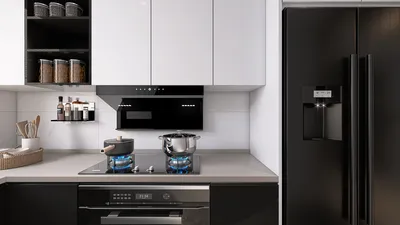
In small kitchens, taupe cabinets or walls can impart an air of sophistication, especially when paired with a reflective backsplash and bright under-cabinet lighting. This combination yields a cohesive and polished palette; however, too dark a taupe may diminish light, so I recommend using samples and choosing durable, washable finishes in cooking areas.
save pin
Layering taupe with art and illumination
One of my preferred final touches is layering taupe walls with mixed-metal frames, warm lighting, and indoor plants — it enhances depth and character without much fuss. I frequently utilize an AI mood board like Homestyler to swiftly experiment with various combinations; the challenge lies in resisting the temptation to over-accessorize, leading me to distill my choices down to three essential textures.
save pin
FAQ
Q1: What precisely is taupe?
A: Taupe is a neutral hue positioned between brown and grey, featuring either warm or cool undertones. Its versatility lies in how shifts in lighting can alter its appearance.
Q2: How can I select the right taupe undertone?
A: Evaluate large paint swatches on different walls and observe them under morning and evening light; warm undertones create a cozier ambiance, while cool tones lend a more modern feel. For the best results, compare swatches against your key furniture and flooring.
Q3: What finish is recommended for taupe walls?
A: In living rooms and bedrooms, I favor eggshell or low-sheen finishes for added depth without harsh reflections; for areas with high foot traffic, a satin finish proves easier to maintain. Steer clear of overly flat paint in kitchens where stains could be more prevalent.
Q4: Will taupe cause a small room to feel even smaller?
A: Not necessarily — a mid-tone taupe can recede, lending a sense of cohesion, while darker taupes can create a cozy atmosphere. Use lighting and light-colored trims as a counterbalance if you're concerned about a shrinking effect.
Q5: Which colors complement taupe effectively?
A: Creams, muted blues, olive greens, and soft blacks all blend harmoniously with taupe; brass and wood introduce warmth, whereas concrete and steel enhance a modern aesthetic. Consider incorporating one bright accent to add liveliness to the palette.
Q6: How do I test taupe before finalizing my decision?
A: Apply 2–3 large swatches on different walls and observe them for a few days to note how light interacts with them. I also suggest taking photos of the swatches at the same time each day to monitor shifts in undertones.
Q7: Is taupe a fleeting trend or a timeless choice?
A: Taupe oscillates between being trendy and classic due to its inherently neutral nature; its popularity often surges when designers favor earthy, layered color schemes. For longevity, select undertones that harmonize with your home's permanent finishes.
Q8: Where can I find reliable information about taupe undertones?
A: For technical insights on undertones and color matching, consult the resources provided by paint manufacturers, including color guides from Sherwin-Williams. They offer valuable charts and sampling advice for applying color accurately in your projects.
Discover Homestyler, your go-to online home design platform! With its user-friendly design tool, stunning 3D renderings, and a wealth of design projects and video tutorials, you can effortlessly create and visualize your dream space. Transform your home design journey today!
Desain sekarang Gratis
































