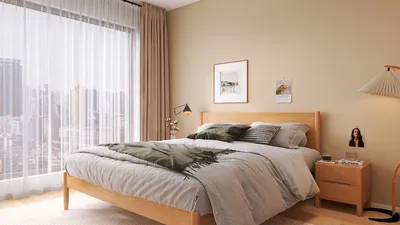


One memorable incident involved a tenant calling me at midnight due to a major mishap where half of the living room wall began to peel off after a steam-cleaning job. Remarkably, we transformed this chaos into a success story by treating it like a mini-renovation project, capturing the entire home makeover process along the way.
Challenges in small spaces, coupled with minor disasters, often ignite creativity: a subpar paint job might just present an opportunity to enhance adhesion, refresh aesthetics, or add some protective elements. Here, I’ll reveal five proven strategies derived from over ten years of rescuing kitchens and compact apartments, especially when facing peeling paint.
1. Patch, Sand, Prime, Repaint – the go-to quick solution
Begin by removing loose paint, smoothing out the edges, and ensuring all dust is cleared away. I always opt for a high-adhesion primer on exposed drywall or plaster prior to repainting. This approach is economical and helps to prevent future peeling.
What I appreciate about this method is its speed and cost-effectiveness, while still maintaining the original appearance. However, it’s important to address any underlying moisture or adhesion issues first; otherwise, you might find yourself facing the same problem down the line.
2. Strip and Recoat where old layers have failed
In cases of multiple layers detaching, I usually strip back to a solid substrate. This may entail removing layers of bubbled paint and utilizing a bonding primer or latex primer-sealer to reconstruct adherence.
While this process demands more time and resources, it ensures a lasting finish. I typically advise clients to anticipate a day or two of preparation work, but it ultimately leads to much better wall performance over time.
save pin
3. Adding texture or limewash to conceal flaws
For extensive peeling areas where the wall remains structurally sound, I often recommend applying a thin, textured skim coat or limewash. These textured finishes not only hide small repairs but also add charm, creatively turning flaws into design highlights — and they tend to absorb minor imperfections more effectively than flat paint does.
Advantages include their visual appeal and forgiving nature, though one downside is the loss of a perfectly smooth finish, and they might be a bit pricier than a direct repaint. For clients who appreciate uniqueness, textured finishes are a fantastic option — sometimes, even utilizing Homestyler for AI design inspiration to preview ideas before making a decision.
save pin
4. Install protective or aesthetic coverings – panels, wainscoting, or tiles
In areas that see heavy foot traffic or are susceptible to moisture, I suggest covering the lower part of a wall with beadboard, MDF panels, or even decorative tiles. This not only conceals damage but also guards against future peeling caused by impacts or spills.
Although this entails a bit more investment and alters the room's aesthetics, it also enhances durability and can dramatically uplift the space. I recall using thin panels in a rental which helped maintain pristine wall conditions for years.
save pin
5. Utilize adhesive coverings – peel-and-stick or wallpaper
For a swift makeover, peel-and-stick wallpaper or vinyl coverings serve as excellent solutions to conceal peeling paint while introducing new textures or patterns with minimal fuss. These are particularly appealing for renters or anyone seeking a speedy aesthetic overhaul.
However, caution is necessary: they should only be applied to a dry, stable surface. If the underlying paint continues to delaminate, the coverings won’t adhere properly. If you’re deliberating a minor re-layout, refer to a free floor plan guide to see how a revamped wall treatment integrates with the entire space.
save pin
Frequently Asked Questions
Q1: What causes paint to peel off walls?
A: The most common reasons for paint peeling include poor adhesion, moisture issues, or painting over dirty surfaces. Thermal fluctuations and incompatible paint types (like applying oil over latex without primer) also contribute to this problem.
Q2: Is it possible to repaint over peeling paint?
A: Yes, you may do so, but only after you have scraped off loose paint, sanded the area, cleaned it, and applied primer. Repainting over flaking material will merely postpone the problem.
Q3: How can I detect moisture behind peeling paint?
A: Look for water stains, musty smells, or persistent damp spots; a small moisture meter can be quite helpful. If plumbing leaks or rising damp is suspected, address those issues prior to undertaking cosmetic fixes.
Q4: Is a special primer necessary?
A: Yes, using a bonding or stain-blocking primer for challenging surfaces or stains is advisable. For particularly stubborn adhesion issues, investing in a specialty primer is worthwhile.
Q5: Could peeling paint pose a lead-paint risk?
A: Definitely. If your home was built before 1978, it's essential to test for lead before sanding — following EPA guidelines for lead-safe practices is highly recommended (source: https://www.epa.gov/lead).
Q6: How long should a proper repair last?
A: With appropriate substrate preparation, priming, and painting, a repair can last for several years. The most significant failure point often comes from unaddressed moisture or physical damage.
Q7: Is it worth hiring a professional?
A: For small isolated issues, a DIY approach works well. However, for extensive peeling, recurrent problems, or historical surfaces, engaging a professional can prevent repetitive work and identify hidden issues.
Q8: What’s a cost-effective solution for the long term?
A: Address the root causes first (such as moisture and incompatibility), apply high-quality primer and paint, or consider adding protective panels where necessary. Investing in proper preparation pays off through fewer repeat repairs and enhanced resale value.
save pin
Homestyler is your go-to online home design platform, perfect for bringing your creative visions to life. With its intuitive design tool, stunning 3D renderings, inspiring design projects, and helpful video tutorials, transforming your space has never been easier or more enjoyable!
Design Now for FREE
































