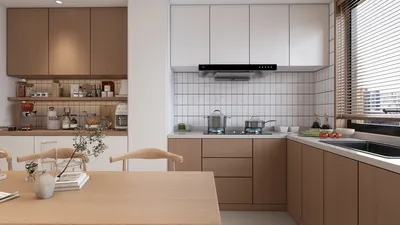


I once had a client who wanted their sofa to face both the TV and the window simultaneously, which made me chuckle. However, I resolved this by guiding them on how to effectively plan their room with a clear sightline and a cozy seating arrangement. In compact spaces, every decision counts; it can either enhance or detract from the overall room feel. Here are five strategies I’ve tried and tested in real homes, each balanced with easy trade-offs and practical advice.
1. Opt for furniture that serves multiple functions
One of my favorite solutions is a sleek console that can transform into a dining table for two. It keeps pathways clear while providing storage without taking up too much space. The benefit is its versatility; the trade-off is accepting slightly smaller seating. Yet, this choice creates a serene, uncluttered atmosphere.
save pin
2. Utilize vertical layers to design distinct zones
In small areas, it’s crucial to think vertically. Consider tall bookcases, wall-mounted shelves, and narrow display units that can separate the living and dining areas visually, without using walls. For example, I once used open shelving between a sofa and a dining nook, providing privacy while allowing light to flow freely. A cost-effective tip: paint the back of the shelves in a darker hue to make your dining area appear intentionally recessed.
save pin
3. Harness the power of light and mirrors
Strategically placing mirrors can amplify daylight and make a small living-dining space feel more expansive. Pairing a pendant light over the dining spot with layered floor and task lamps on the living side keeps both areas functional after dark. To avoid an “echo chamber” effect, introduce textures like rugs or woven wall hangings, creating a warm ambiance instead of a sterile one. For those who enjoy designing layouts, I often suggest visualizing in 3D using platforms like Homestyler before finalizing any fixtures.
save pin
4. Select a cohesive color and scale scheme
A consistent color palette and furniture scale can maintain harmony in an open-plan area. I generally recommend one dominant neutral, an accent color, and a matching leg style on all furniture to unify different pieces. The minor challenge lies in choosing statement items wisely so they don’t compete for attention in a small space.
save pin
5. Smartly zone around the tiniest kitchen layout
Even if the dining space is inches away from the cooking area, a few simple zoning tricks can help: a narrow island or mobile cart can delineate the dining edge while providing extra prep space. In one micro-apartment I designed, a two-seat banquette along the wall created a defined dining area that felt purposeful. When dealing with a compact kitchen, consider zoning early in your plans to ensure that cooking and dining activities don’t clash.
save pin
FAQ
Q1: What type of furniture is best for a very small living-dining room?
I advocate for multi-functional pieces like extendable tables, small-scale sofas, and storage benches. Focus on flow and select items that perform dual functions.
Q2: How can I make a tiny dining area feel intentional?
Establish a dedicated space with a rug, unique lighting, or a banquette. An overhead pendant light can clearly mark the dining spot as a distinct area.
Q3: Can color strategies make a room appear larger?
Absolutely—light, warm neutrals enhance sightlines, while a unified palette can connect various zones. Use darker tones carefully to ground the space without making it feel confined.
Q4: What clearance is necessary around a dining table?
Aim for at least 24-30 inches behind chairs for easy movement; in particularly tight spaces, consider benches that require less space than chairs when pulled out.
Q5: Are built-ins a worthwhile investment in a rental?
In most rental situations, it’s best to avoid permanent built-ins. Instead, go for freestanding modular pieces that can accompany you when you move. They provide similar advantages without long-term commitment.
Q6: How can lighting enhance both living and dining spaces?
Layer your lighting: start with ambient overhead lights, use task lighting near seating, and add accent lights to showcase artwork. The U.S. Department of Energy highlights that efficient LED options can not only cut energy costs but also elevate the quality of light.
Q7: What flooring is ideal for a combined small area?
Using continuous flooring throughout both zones can visually expand the space. Wood-like planks or uniform tiles foster flow; employ a rug to distinguish the dining nook without interrupting the visual continuity.
Q8: How should I start if I lack design experience?
Begin by measuring and sketching a basic layout, focusing on essential movement paths and functions. If you seek assistance turning those sketches into actionable plans, consider utilizing tools or services like Homestyler that allow you to arrange furniture according to scale and experiment with ideas.
save pin
Homestyler is your go-to online home design platform! With its user-friendly design tool, stunning 3D renderings, and a wealth of DIY video tutorials, you can effortlessly create and visualize your dream spaces—all while exploring inspiring design projects. Transform your home today with Homestyler!
Diseño ahora GRATIS
































