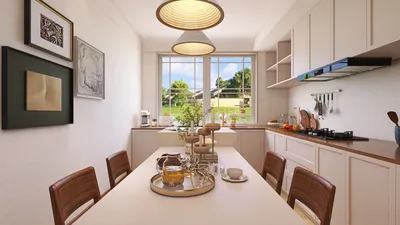


I once experimented with aluminum foil behind a low-cost antenna for a client seeking enhanced signal without the expense of professional equipment; this turned the living room into a vibrant display of reflections and provided valuable insights into signal directionality and placement. In compact spaces, creativity is paramount: with just one wall and one window, every single centimeter suddenly becomes crucial.
This article outlines 5 DIY cell phone booster strategies that I have tested or supervised, specifically designed for apartments and tightly arranged layouts. I will delve into the significance of positioning and simple adjustments within rooms that can surpass expensive gadgets. Moreover, I will demonstrate how to combine these practical fixes with thoughtful design choices, like innovative room layout ideas, to achieve optimal reception.
1. Window-mounted reflector panel
I created a slim, detachable reflector panel for a client whose strongest signal came from the balcony window. This device is essentially a curved, lightweight reflector made from thin acrylic coated with a metalized film that channels more signal into the space. The benefits are affordability and ease of removal, but the challenge lies in maintaining a discreet look while ensuring it doesn't obstruct natural light.
save pin
2. DIY directional antenna from household parts
Constructing a simple directional antenna using copper wire or a modified coat hanger can effectively focus any weak signal available outside. I facilitated a workshop where residents utilized commonly available materials; many experienced minor signal improvements by aiming their antennas towards the nearest cell tower. This method is inexpensive but can be tricky—minor adjustments in angle can sometimes have a greater impact than upgrading materials.
save pin
3. Use reflective panels to redirect signal paths
Signals can often bend and bounce around inside rooms; utilizing flat foil reflectors or thin metallic sheets can assist in directing that signal to otherwise dead zones. During one project, I helped a client transform a dim corner into a functional workspace by placing a slim reflector behind a bookshelf to direct reception into that area; we measured improvements using a smartphone app to confirm results.
To efficiently plan these modifications visually and avoid awkward trial-and-error, I prefer to design antenna placements within a straightforward layout before making any physical alterations—seeing the angles can enhance accuracy more than expected.
save pin
4. Elevate and centralize—small mounts and shelves
Elevating your phone or a small passive antenna just over a meter can significantly enhance reception. I’ve implemented narrow wall shelves and discreet mounts to raise devices away from electronics that may cause interference. This approach is cost-effective and aesthetically pleasing, though it’s important to maintain a balance—some mounts necessitate a clean installation for a deliberate appearance.
If you’re incorporating boosters within a smart home setup, think about aligning their placement with other devices to optimize connectivity and stability throughout the space—this is where smart home integration practices prove beneficial.
save pin
5. Reduce interference with layout and material swaps
Occasionally, the most significant improvements stem from removing obstructions: consider relocating large metal furniture, swapping heavy drapes for lighter fabrics near windows, or shifting a bookshelf's position by just a few inches. In one small remodeling project, advising the movement of a metal wardrobe by two feet caused the client’s signal strength to jump from one bar to three—no new equipment was needed. The drawback could be inconvenient furniture rearrangements, but they typically don't strain the budget.
save pin
FAQ
Q1: Are DIY cell phone boosters legal?
A1: Homemade passive reflectors and directional antennas are typically within legal bounds, but active signal boosters that transmit require FCC approval in the U.S. It’s important to check local regulations before purchasing or setting up powered boosters (refer to FCC guidelines: https://www.fcc.gov).
Q2: Will a DIY booster yield the same results as a commercial booster?
A2: Generally, no. Commercial boosters amplify signals and can provide larger, consistent gains. DIY solutions may improve reception for calls or slow data in smaller spaces, but their effectiveness can vary.
Q3: Which materials are best for reflectors?
A3: Thin metalized films, aluminum sheets, or copper surfaces provide excellent reflection capabilities. Lightweight and non-corrosive materials, such as acrylic with a metalized coating, balance performance with indoor visual appeal.
Q4: How can I determine the best direction for my antenna?
A4: Employ basic signal meter applications or the phone’s field-test mode while rotating the antenna slowly; the direction yielding the strongest bars or highest dBm reading is ideal. Minor angle adjustments can often be more impactful than distance.
Q5: Does furniture placement really affect cell signal?
A5: Absolutely—large metal objects, thick concrete walls, and certain electrical panels can obstruct or reflect signals. Small adjustments to your layout can significantly reduce interference in smaller homes.
Q6: Is using homemade antennas indoors safe?
A6: Yes, passive antennas and reflectors are safe for indoor use. However, avoid makeshift wired transmitters or amplifiers without certified equipment, as improper installation can disrupt networks and breach regulations.
Q7: What should my budget look like for these DIY methods?
A7: Several of the suggestions presented here cost less than $50 for materials; moderate shelves or mounting hardware might increase that to around $100. Commercial boosters generally start at a higher price point but tend to offer more reliable improvements.
Q8: When should I consider purchasing a commercial booster instead of attempting DIY?
A8: If sustained high-speed data, multiple user access, or comprehensive home coverage is your goal, a certified commercial booster is usually a worthwhile investment. For localized enhancements to small areas, the DIY strategies outlined often provide a budget-friendly solution.
save pin
Discover your dream space with Homestyler! This intuitive online design platform offers a powerful design tool, stunning 3D renderings, and a wealth of inspiring projects and DIY video tutorials. Whether you're a beginner or an experienced designer, Homestyler makes home transformation easy and enjoyable.
Design Now for FREE
































