

One time, I unintentionally coated a toddler’s closet in a velvety matte finish because the client wanted it to "feel cozy." Three weeks later, I found myself amidst a sea of fingerprints, learning the crucial lesson that in small, lived-in spaces, sheen trumps style. To effectively identify high-maintenance areas before selecting color and sheen, I recommend exploring various room layout examples that assist in planning accessibility for cleaning and smooth traffic flow. Homestyler offers a range of such room layout examples for visual reference.
Navigating small spaces requires you to reconsider your design choices, which adds to the excitement. Utilizing washable wall paint can transform a compact home from appearing fragile to looking well-loved. Here, I present five practical and budget-conscious inspirations derived from my real projects, alongside common pitfalls to be aware of.
1. High-gloss accent at waist height
Implement a semi-gloss or satin band around the midsection of walls where hands and furniture frequently make contact. This approach brightens narrow corridors and allows for easy cleaning without leaving traces. However, a shiny finish does accentuate surface imperfections, making it essential to carry out proper sanding and to use a smoother primer.
2. Chalkboard-style washable panels for play areas
Rather than applying chalkboard paint across an entire room, consider painting a framed washable panel that can be wiped clean easily. This option is a favorite among kids while keeping the rest of the room from becoming a dust trap. Before embarking on painting, create a sketch of your intended zones — I often advise clients to utilize free tools for floor planning to ensure that the panel placement doesn’t obstruct doors or storage areas. Homestyler can assist with this planning.
save pin
3. Two-tone wainscoting: matte above, scrubbable below
Combining a low-sheen, light color on the upper part with a durable semi-gloss below effectively conceals scuffs while maintaining an open feel in the room. This look is particularly forgiving for renters or bustling families. Although it may require slightly more effort for proper taping and applying with a good edging brush, future touch-ups will be uncomplicated.
save pin
4. Stenciled patterns using durable enamel
Utilizing stencils allows for the addition of texture and character without incurring the expense of tiles. Applying washable enamel or scrubbable latex ensures longevity in areas like mudrooms or entryways. The catch is that alignment requires patience, and since enamel dries quickly, plan to work in small sections while keeping a damp rag handy to address mistakes timely.
save pin
5. Utility-grade paint for transition areas (kitchen, laundry)
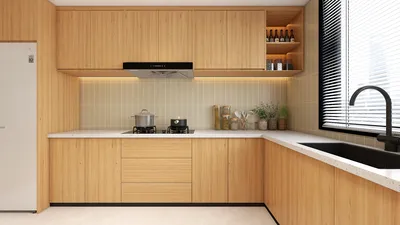
In heavy-traffic areas, it’s crucial to choose paint designed for easier scrubbing. I frequently recommend a washable finish that suits kitchen spaces, especially near counters and backsplashes, to minimize staining. To visualize how paint selections interact with counters and cabinets, refer to kitchen layout ideas and mockups through platforms like Homestyler to prevent awkward overlaps.
save pin
FAQ
Q: What sheen works best for washable wall paint?
Satin or semi-gloss finishes are ideal for most high-traffic areas as they offer a balance between durability and aesthetic appeal. Flat finishes may hide imperfections but don’t clean as effectively.
Q: Are washable paints and scrubbable paints the same?
These two terms overlap: while washable paints can be cleaned gently with a damp cloth, scrubbable paints can endure more vigorous scrubbing. It’s essential to check the manufacturer’s specifications for cycles or abrasion ratings.
Q: Can washable paint be low-VOC?
Absolutely — many modern washable formulas are available as low-VOC. For further guidance on indoor air quality and safer paint selections, you can refer to EPA resources on indoor air.
Q: How should I prepare walls for washable finishes?
It’s important to address dents, sand rough patches, and use a stain-blocking primer where necessary. Proper preparation will prevent the sheen from highlighting imperfections and will extend the life of the finish.
Q: Are there budget-friendly washable paint options available?
Often, mid-range paints outperform cheaper brands once you consider coverage and the need for fewer coats. Testing sample quarts to assess finishes before committing to larger quantities is advisable.
Q: How frequently should washable walls be repainted?
Under normal conditions and with a durable finish, walls can go 5–7 years between complete repaints, with spot touch-ups potentially extending that time.
Q: Is it possible to use washable paint over wallpaper?
Most washable paints do not adhere well to loose or textured wallpaper. If the wallpaper is secure and smooth, using a primer designed for slick surfaces is vital; otherwise, it’s best to remove the wallpaper first.
Q: What’s the best method to remove stains without damaging paint?
Begin with a soft, damp cloth and mild soap, avoiding harsh abrasives that can dull semi-gloss finishes. For tougher stains, always conduct a test in a hidden area first.
save pin
Discover your dream space with Homestyler! This user-friendly online home design platform offers a robust design tool, stunning 3D renderings, and a wealth of inspiring design projects. Plus, its DIY video tutorials make it easy for anyone to create beautiful interiors. Start designing today!
지금 무료로 디자인하세요
































