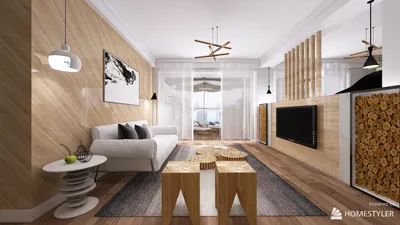


For over ten years, I have immersed myself in the serene environment of sacred temple towns, and Kanipakam embodies a simple yet captivating rhythm: early visits to the temple, modest accommodation for pilgrims, and convenient access to Chittoor. This guide aims to assist you in selecting suitable lodgings, reserving them at the optimal times, and ensuring a comfortable stay for your family or group—while preserving the tranquility that attracts visitors to the Sri Varasiddhi Vinayaka Temple. Incorporating tools like Homestyler can help visualize your accommodation layout.
Crowds of pilgrims tend to peak on festival days and weekends. In many Indian temple areas, weekend occupancy rates can surpass those of weekdays by 15–25%, a trend that Kanipakam likely reflects during significant poojas and Ganesh celebrations. To ensure a restful experience despite the varying crowds, I recommend seeking quiet floors and using warm-white lighting in the range of 3000–3500K for a calming atmosphere. Incorporating simple acoustic measures, such as soft furnishings and door seals, can further reduce hallway noise. According to the WELL v2 Light concept, it's beneficial to regulate circadian light exposure and glare; employing warm tones in the evening can help you unwind after a late darshan, as detailed on v2.wellcertified.com.
The daily routine for pilgrims often revolves around a sunrise-to-late-night pattern: early queues, midday breaks, afternoon activities, and evening aarti. Studies on ergonomics highlight that relief from prolonged sitting can be achieved through short intervals with lumbar support and periodic walking breaks of 10-15 minutes. Research from Herman Miller indicates that varying posture and movement can alleviate musculoskeletal discomfort during the day; thus, consider seating with supportive backs and placing water stations within a two-minute stroll to ensure easy hydration access.
Room Options and Their Suitability
– Standard Non-AC Rooms: Basic and budget-friendly, these rooms are best for pilgrims who value closeness to the temple over luxury. Opt for corners to minimize corridor distractions.
– AC Rooms: Perfect for hotter months; look for units equipped with quiet modes and clean filters to ensure pleasant air quality.
– Family Rooms/Suites: When traveling with elderly family members or children, prioritize ground-floor accommodations that allow easy access and have grab bars near bathrooms.
– Dormitory Beds: Suitable for youth groups, select bunks positioned away from entrances, and consider packing earplugs to mitigate shared noise issues.
Reservation Tips
Booking in advance is crucial, especially around festive periods. Be sure to contact the devasthanam lodging desk, verify official sources, or check with trusted travel partners. For weekends, aim for booking at least 10–14 days before, and for major festivals, plan 21–30 days ahead. If coordinating multiple rooms, create a basic layout to keep adjacent accommodations close; a room layout tool can be beneficial in visualizing arrangements.
Illumination and Sleeping Conditions
To ensure a comfortable night's rest post-temple events, I recommend planning a thoughtful lighting strategy: warm bedside lamps at 3000K, neutral ceiling lights around 3500–4000K for preparation, and blackout curtains to enable deeper sleep. Avoid glaring LED lights; opt for lamps with shades or diffusers instead. If fluorescent bulbs are in use, consider adding a warm lamp to create an inviting evening ambiance. Maintain task lighting under 500 lux after dark, and set safe pathway lighting at 100–150 lux for nighttime bathroom trips.
Noise Control and Quiet Time
Temple towns resonate with joyful sounds, from chants to bustling vendors. To maintain a peaceful room atmosphere, incorporate soft rugs, fabric drapes, and upholstered furniture to minimize echoes. Choosing rooms facing courtyards rather than busy streets can also help. When arranging beds, position headboards away from adjoining walls if feasible. For families with children, a white-noise app can effectively mask occasional corridor sounds without contributing to overall noise levels.
Bathrooms, Water Supply, and Cleanliness
Always verify the availability of hot water, especially during morning hours. Inquire about non-slip surfaces in bathrooms for the safety of older guests. Organizing toiletries in a designated tray can prevent chaotic mornings. A small hook by the entrance is practical for keeping temple attire separate from regular clothing.
Accessibility and Mobility
Kanipakam caters to diverse age ranges; early requests for ground-floor or lift-accessible rooms are advisable. If mobility aids such as wheelchairs or walkers are needed, be sure to assess door widths and turning space in advance. Keep footwear close to the entrance and consider providing a seating area for comfortable shoe removal—an important consideration before and after your darshan.
Airflow and Quality of Environment
Fresh air is essential after enduring crowded spaces. Opt for accommodations with windows that can be opened and screened against insects. If air conditioning is a requirement, ensure that filters are clean and that gentler fan speeds are utilized to avoid dryness. Keeping a bowl of water by the bedside can help add a layer of humidity in drier climates.
Color Schemes and Atmosphere
Warm, natural tones such as sandalwood, muted terracotta, and cream promote a calm environment. Research into color psychology suggests that warm neutrals contribute to relaxation and comfort; as reviewed by Verywell Mind, warm tones and soft whites can create a welcoming space without over-stimulating the senses. When redecorating guest accommodations, it's preferable to use vivid colors as accents rather than on walls.
Organization and Ritual Management
Special occasions at the temple often lead to additional items: offerings, prasad, and wet garments from rituals. Implementing a dual-storage approach works best—one tidy area for puja items and another for a washable bag for laundry. A shoe tray alongside a small bench at the entrance simplifies the process of entering and exiting while maintaining an uncluttered sleeping space.
Accommodations for Families, Groups, and Seniors
For trips involving multiple generations, organize twin beds to increase flexibility, with one firm mattress option for those with back issues. Keeping a kettle handy along with glucose biscuits and oral rehydration supplies is beneficial due to extended waiting times. If accommodations are spread across different floors, ensure elders are placed in the room nearest to the lift or stairs to minimize walking strain.
Navigating Locally and Timing Your Visit
Commence your day early, enjoy a mid-morning break, and plan to return for evening darshan. When scheduling downtime, set alarms and utilize blackout curtains to ensure that children sleep soundly despite intermittent noises in the corridors. Double-check the lodge's reception hours to avoid surprises with late-night check-in.
Budget Considerations and Value for Money
Accommodations in temple towns focus on simplicity. Prioritize spending on necessities: air conditioning (during summer), clean linens, and accessibility. Reserve decorations and extras for lower importance. If looking for extended stays, inquire about weekly discounts and laundry services.
Planning Layout for Adjacent Rooms
When booking multiple rooms for a family, it’s wise to designate locations for luggage and arrange which room will remain quiet for infants or the elderly. Keep walkways clear to prevent accidents. Visualizing this prior to arrival can facilitate a smoother settling process; employing an interior layout planner can help simulate room adjacency and traffic flow.
Frequently Asked Questions
Q1: How far in advance should I reserve for major temple festivals?
A1: Aim to book 21–30 days in advance; for regular weekends, securing accommodations 10–14 days ahead typically allows for better options.
Q2: Which type of room is best for senior guests?
A2: Ground-floor AC rooms with step-free access and grab bars are ideal. Request accommodations close to the lift or stairwells to ease movement.
Q3: What kind of lighting is suitable for early temple visits and late-night relaxation?
A3: Use neutral 3500–4000K lighting for daily preparations, warm bedside lamps at 3000–3500K for winding down, along with blackout curtains for restful sleep.
Q4: How can I minimize noise in shared corridors?
A4: Opt for rooms facing inside courtyards, add soft fabrics, and use a white-noise application. Whenever possible, position headboards away from adjoining walls.
Q5: Do you have suggestions for families with children?
A5: Keep one room quiet for napping, keep offerings organized separately, and establish pathway lighting for safe trips to the bathroom at night. Remember to pack earplugs for sensitive sleepers.
Q6: What checks should I perform in bathrooms?
A6: Confirm hot water availability, ensure non-slip mats are in place, and verify exhaust functionality. Organize toiletries in a designated tray to keep things tidy during morning routines.
Q7: Is air conditioning essential in warmer seasons?
A7: It can be beneficial. Select units equipped with a quiet mode and clean filters to provide comfort without excessive noise or dryness.
Q8: How do I effectively manage luggage and movement in multiple rooms?
A8: Assign one room for bags, maintain clear pathways, and utilize a layout simulation tool to visualize adjacency prior to your arrival.
Q9: What color schemes contribute to a tranquil space?
A9: Warm neutral colors such as cream, light beige, and soft terracotta are effective. Reserve more intense colors for decor accents instead of walls.
Q10: Any health and comfort tips for prolonged waiting times?
A10: Mix sitting with brief walking breaks, maintain hydration, and select seating with lumbar support. Varied posture can help minimize discomfort over long periods.
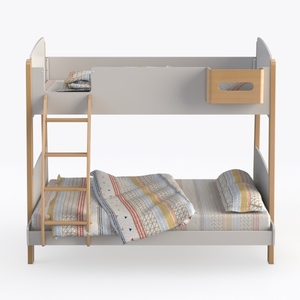
Storkcraft Next Santos Twin-Over-Twin 5-in-1 Conve
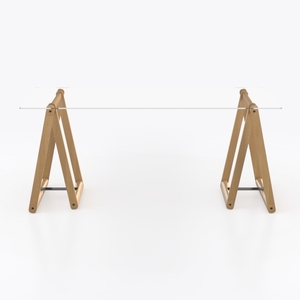
FRITHJILL Modern Desk with Tempered Glass Legs, Fa

Modway EEI-6401-IVO Oasis Upholstered Fabric Sofa,
Homestyler is your go-to online home design platform! With its user-friendly design tool, stunning 3D renderings, and a wealth of DIY video tutorials, you can effortlessly turn your decor ideas into reality. Whether you're a beginner or a seasoned designer, Homestyler inspires creativity and simplifies the design process.
Zaprojektuj teraz za darmo
































