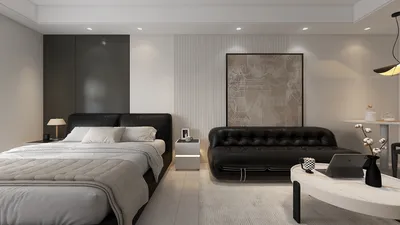


I once made the mistake of trying to fit an upright piano into a walk-in closet because my client adored the idea of a hidden piano; it nearly toppled when the closet door banged shut — a lesson learned the hard way. Small spaces indeed can ignite grand ideas, and that comedic mishap led me to draft numerous clever solutions. My first step was creating a straightforward room layout mockup that ultimately saved the next project. In this article, I will share five practical inspirations that I applied in real-life situations to ensure the music continued without ruining the apartment.
1. Establish a dedicated music nook
I enjoy designing a slim niche along a wall: remove a bit of drywall, install a narrow shelf for music books, and place a slim upright or compact digital piano as the focal point. This approach offers a tidy, intentional aesthetic that prevents the piano from appearing like an afterthought; however, be mindful that this may consume some circulation space, so be sure to measure accurately. Budget-friendly tip: opt for painting the niche a contrasting color instead of investing in costly paneling — it gives a luxurious feel at minimal expense.
save pin
2. Utilize multifunctional furniture in proximity
Incorporate a storage bench that serves both as seating and a storage solution for music scores or toys. I implemented this for a client who required seating and a music corner; we constructed a cushioned bench with hidden storage compartments, creating a cozy yet practical environment. Drawback: custom-built pieces can be time-consuming, but pre-made storage benches can work if you choose the right dimensions.
save pin
3. Elevate the floor slightly and address acoustics
Raising the piano on a low platform (2–4 inches) enhances its visual prominence and aids in sound projection. Adding a rug and a removable acoustic panel behind the instrument can help if neighbors have complaints. To visualize how it would affect the room, utilize 3D visualization with Homestyler to test sightlines and proportions before making a commitment — it has saved me from several layout blunders. While the expense is reasonable and the acoustic benefits are genuine, ensure the platform is durable and does not create a tripping hazard.
save pin
4. Opt for compact instruments and smart benches
Not every residence needs a full upright; high-quality compact uprights and stage pianos have made significant advancements. I persuaded a young couple to choose a slim vertical piano alongside a folding wooden bench; the sound was unexpectedly rich, and they reclaimed space for a cozy reading chair. The caveat is character: acoustic purists may miss the deep low-end richness, yet a compact acoustic or weighted digital piano often provides the ideal trade-off for urban living.
save pin
5. Make the piano a centerpiece in the living room
Rather than concealing it, celebrate the piano as a design statement — surround it with plants, art, or light to create a mini-stage. I assisted a client in arranging seating in a semicircle to transform casual evenings into intimate concerts; this encouraged more playing and social interaction. The challenge lies in managing traffic flow; maintain a clearance of 36 inches in front for comfortable playing and movement. For a quick case study on innovative layouts, check out my favorite AI-assisted designs on Homestyler for inspiration tailored to your space.
save pin
FAQ
Q1: What’s the minimum clearance needed for an upright piano?
A1: I recommend at least 36 inches in front of the keyboard for comfortable seating and accessing the fallboard. Side clearances can be tighter, but ensure there's enough room for tuning and ventilation.
Q2: How do I protect a piano from humidity in a small apartment?
A2: Utilize a room humidifier/dehumidifier as needed to maintain relative humidity (RH) between 40–50%. Keep the piano away from heat sources and direct sunlight to minimize seasonal stress.
Q3: Can a digital piano replace an acoustic in a small home?
A3: Absolutely! Many digital pianos feature weighted keys and high-quality samples; they are space-efficient and can be silenced with headphones. While the feel may differ, they are excellent for practice and smaller performances.
Q4: Is it difficult to move a piano into a cramped apartment?
A4: It can be challenging and often necessitates professional movers; sometimes, removing doors or utilizing a window lift can help. I always allocate a budget for professional assistance to prevent damage to the instrument or the building.
Q5: Are there acoustic treatments suitable for renters?
A5: Certainly — freestanding acoustic panels, plush rugs, heavy curtains, and bookshelves packed with books are renter-friendly options that enhance sound quality without permanent alterations.
Q6: How frequently should a piano be tuned in a small space?
A6: Generally, 1–2 times per year for a home piano, and more frequently if it's new or subject to significant temperature and humidity fluctuations. Regular tuning helps prevent larger issues later.
Q7: Where can I find trustworthy guidance on piano care?
A7: The Piano Technicians Guild (PTG) is a reputable resource for maintenance and moving advice; visit their site at https://www.ptg.org for informative articles and a directory of certified technicians.
Q8: What’s a low-budget first step for enhancing piano placement?
A8: Begin by measuring clearances and experimenting with temporary placements using a rug and a lamp; minor adjustments, such as angling the piano or adding a rug, can significantly improve both usability and acoustics.
save pin
Discover your home's potential with Homestyler! This intuitive online design platform offers a user-friendly tool for creating stunning interiors. Explore an extensive library of 3D renderings and design projects, plus informative video tutorials that inspire your creativity. Transform your space effortlessly!
Zaprojektuj teraz za darmo
































