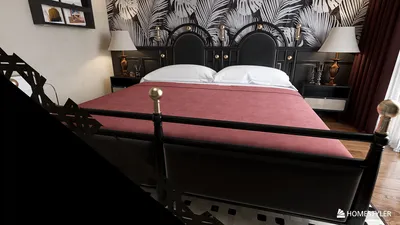


I once had a client who desired a "subtle disco" theme for their bedroom. To meet this request, I created a glitter wall and learned that achieving subtlety is a refined skill, not a mere coincidence. After going through the process of sanding, sealing, and reworking what turned out to be a chaotic design, I've since made it a practice to prototype my ideas before finalizing them. Sometimes, a rendered demonstration of a glitter wall is all it takes to prevent overwhelming decor. Small spaces ignite big ideas, and in this article, I'll share five practical techniques to incorporate glitter into walls, ensuring a luxurious appearance rather than a noisy one while using tools like Homestyler for visualization.
1. The Mini Accent Strip
Apply a narrow strip of glitter paint—ideally three to five inches wide—horizontally or vertically along a wall. It appears intentional and chic, while requiring minimal materials to create significant visual appeal.
The key is in the placement; positioning it too high or too low may give it an unintentional look. I suggest using painter's tape and a test pot to find the perfect height before proceeding.
save pin
2. Glitter-Enhanced Trim
Consider using glitter paint on baseboards, crown moldings, or window frames instead of covering entire walls. This approach frames the space effectively and minimizes the 'overdone' sensation since the glitter remains confined to the architectural details.
Make sure to tape carefully and handle the painting with precision, as the finish can reveal brush strokes if rushed. I often recommend applying a thin layer of clear sealant on the trim to prevent scuffs from damaging the glitter.
save pin
3. Ombre Glitter Wall
Creating an ombre effect from matte to glitter adds a playful dimension—begin subtly at eye level and intensify the sparkle as you go higher or lower. This technique not only looks stylish but is also forgiving, especially in smaller spaces.
Utilizing a digital rendering in tools like Homestyler allows you to visualize the fade without needing to mix a multitude of test swatches. The main challenges include finding the right mixing ratios and blending evenly with a soft brush, but when done correctly, the outcome can be exceptionally stunning.
save pin
4. Stencil Designs with Translucent Glitter
Using a stencil and a sheer glitter glaze can add intricate patterns—consider delicate botanical or geometric designs. This method enhances the wall's texture without being overwhelming in appearance.
However, it can be time-consuming and may require careful alignment for repeated patterns. I learned from a weekend spent on a stencil panel that a light touch and a budget-friendly foam roller are key to the best results.
save pin
5. Removable Glitter Panels
For those seeking a flexible option, removable glitter panels or wallpaper strips can be used. These are perfect for rental spaces or rooms that may undergo changes in style with the seasons.
Be cautious, as these panels may peel unevenly on older paint; using high-quality adhesive and adhering to the manufacturer’s removal guidelines is crucial. Before installation, consider consulting effective maintenance tips for glitter to ensure longevity.
Note on Budget: The cost of glitter paint and glazes can vary significantly. Inexpensive glitter may flake off and low-quality binders can discolor over time. I often advise opting for premium products and good topcoats, while also testing in small sections and taking lighting into account—glitter can appear very different under warm LED versus cool daylight.
save pin
FAQ
Q1: Is glitter paint safe for bedrooms?
I recommend using cosmetic-grade mica or other certified safe glitters, sealed with a clear topcoat. It's best to avoid loose craft glitter that can shed and circulate in the environment.
Q2: How can I prevent glitter from shedding?
Seal the finished surface with a compatible clear polyurethane or water-based polyacrylic. Multiple thin coats generally yield better results than applying one thick coat.
Q3: Can glitter paint be used in a child's room?
Absolutely, provided you opt for non-toxic, fine-particle products and seal them properly. Additionally, keep the glitter application away from play areas to reduce any ingestion risks.
Q4: What's the best method to clean a glitter wall?
Gently dust with a soft microfiber cloth or a low-suction vacuum featuring a brush attachment. Avoid wet scrubbing unless the surface has been sealed and the cleaner is non-abrasive.
Q5: Will glitter yellow over time?
Yes, if low-quality binders or non-UV-stable finishes are used. Opt for UV-resistant products and test a sample in your room’s lighting prior to full application.
Q6: Can I mix glitter with existing paint?
You can indeed—whether by mixing a glitter medium into your paint or applying a glitter glaze over a dry base coat. Be sure to mix thoroughly and test on a sample to assess the distribution.
Q7: Are there any health or environmental concerns?
Many craft glitters are considered microplastics; I recommend using biodegradable or mica-based options and checking the safety of products. For additional guidance on household chemical safety, refer to the U.S. Consumer Product Safety Commission (https://www.cpsc.gov).
Q8: What’s the easiest way to evaluate a glitter finish before applying it?
Create a 12x12" sample board, review it under various lighting conditions, and live with it for a week. Alternatively, digital renderings can provide quick previews to save time and avoid regrets.
Discover the joy of home design with Homestyler! This innovative online platform offers an easy-to-use design tool, stunning 3D renderings, and a wealth of DIY video tutorials. Whether you're a beginner or a seasoned designer, Homestyler empowers you to create your dream space effortlessly!
Diseño ahora GRATIS
































