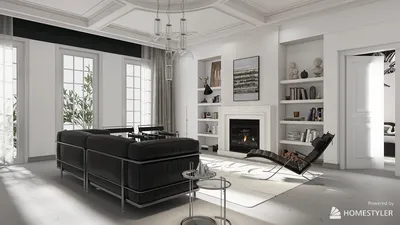


There was a time when I almost chose a glossy black finish for a basement ceiling to achieve an authentic cinema ambiance. However, I soon discovered that this shiny surface made the room appear smaller while reflecting every bit of light. This experience reinforced a valuable lesson: designing small spaces often yields more significant insights than large ones. It is essential to meticulously plan for reflections, sightlines, and storage. To visualize your layout effectively, I frequently commence with a basic plan to assess where seating and speakers can be optimally arranged.
Compact areas can inspire immense creativity. In this article, I will outline five practical strategies I've implemented in real-life projects to transform small basement home theaters into spacious, comfortable, and wonderfully cinematic environments.
1. Tiered Seating in Limited Space
Consider installing a modest riser for the back row instead of full stadium steps. A single 6 to 8-inch platform can enhance sightlines without occupying excess floor space. For instance, in a 12x14-foot basement, we positioned the front row on a lower platform while elevating the back row slightly, improving viewing comfort while ensuring clear egress.
Benefits: Improved sightlines and an elegant ambiance. Drawbacks: This approach may lead to higher carpentry costs and could necessitate checking ceiling height for clearance.
save pin
2. Discreet Built-in Storage
In compact basements, clutter can significantly detract from the cinema atmosphere. I prefer to merge shallow storage solutions underneath benches or concealed behind acoustic panels, which can house remote controls, Blu-rays, and snacks out of sight. This not only keeps the area looking tidy but also enhances acoustics when cabinets are padded and sealed.
Budget-friendly tip: Utilize existing studs to create shallow cabinets instead of opting for full-depth units. This approach saves money and keeps walkways unobstructed.
save pin
3. Convertible Seating: Sofa During Day, Recliners at Night
Instead of allocating every inch exclusively for theater seating, select modular furniture that serves both family time and movie nights. In one project, I suggested convertible loveseats equipped with built-in cup holders; they blended seamlessly with living room decor while providing excellent comfort for extended films.
Considerations: High-end recliners can be costly, but clever upholstery and strategic arrangement can emulate a cinematic atmosphere without breaking the bank.
save pin
4. Acoustic Solutions That Double as Decor
Acoustic treatments are vital in a basement setting where hard surfaces may cause echoes. I have incorporated art-covered acoustic panels and fabric-covered bass traps that also serve as stylish wall art. This not only enhanced the room's sound quality but also led guests to perceive these panels as elegant decor rather than technical equipment.
Practical advice: Position absorbent panels at first reflection points and consider using a rug to help control echo. For a polished preview of how finishes interact, I sometimes resort to using 3D renderings, particularly with clients discussing wall treatments.
save pin
5. Compact AV Rack with Efficient Ventilation
AV equipment tends to generate heat, and basements can pose challenges regarding airflow. My preferred approach is to use a ventilated AV rack placed in a closet or behind a louvered panel. Incorporating quiet fans or connecting to the house HVAC can enhance cooling. Ensure cables are labeled correctly and use a surge protector mounted close to the rack to streamline maintenance.
Minor challenge: It’s crucial to plan for cooling and service access, but a discreet panel can keep the space organized while protecting the equipment. If you need additional support, consider exploring design tools like Homestyler, which can propose efficient layouts for compact areas.
save pin
FAQ
Q1: What is the minimum size for a functional basement home theater?
A practical minimum size is around 10x12 feet for a comfortable two-row setup, although even smaller spaces can be suitable with a single row and a compact screen. The layout and distance from the screen hold more significance than the overall square footage.
Q2: How can I enhance sound in a basement with concrete walls?
Implement absorptive panels at first reflection points, add a thick rug, and consider bass traps in the corners. Sealing gaps and decoupling speakers from hard surfaces can greatly reduce unwanted resonance.
Q3: Should I invest in a dedicated projector room, or is a TV sufficient?
A high-quality television often outperforms an entry-level projector in smaller, slightly-lit basements and simplifies installation. Projectors excel in very dark rooms with larger screens.
Q4: What safety measures should I consider for a basement theater?
Numerous codes require emergency exit routes such as egress windows or exterior doors; it's wise to consult local regulations early in the planning phase. The International Residential Code (IRC) R310 provides safety compliance guidelines regarding egress and rescue openings.
Q5: What lighting techniques are best for ambiance and functionality?
Employ layered lighting: dimmable recessed fixtures, wall sconces at eye level, and LED lights on steps help maintain both safety and a cinematic environment. Opt for warm-tone LEDs to enhance skin tones while avoiding harsh glare.
Q6: Is it possible to create acoustic panels myself?
Absolutely — using breathable fabric, an absorptive core like mineral wool, and a timber frame can yield functional DIY panels. Ensure materials comply with fire safety standards and do not obstruct necessary ventilation.
Q7: How much should I allocate for a compact basement theater?
Anticipate a broad range in costs: a basic setup featuring a television and soundbar might run a couple of thousand dollars, while a comprehensive projector system with an AV receiver, acoustic treatments, and seating can be considerably more expensive. Focusing on sound quality and comfortable seating will provide the best return on investment.
Q8: Where can I find visual planning assistance for layouts and finishes?
I often recommend services that offer 3D visualization tools, like Homestyler, allowing you to preview sightlines, finishes, and seating arrangements before construction begins. Such resources can help avert unexpected surprises and facilitate early decision-making.
save pin
Homestyler is your go-to online home design platform, perfect for turning your ideas into reality. With its user-friendly design tool, stunning 3D renderings, and an array of inspiring design projects and video tutorials, creating your dream space has never been easier!
Design Now for FREE
































