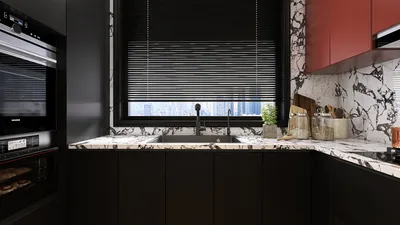


I once had a client determined to have their home office painted in vibrant neon lime, believing it would "scream productivity." After three coats of paint, we both agreed it shouted something entirely different. This experience taught me that color selection is all about context: factors like lighting, the arrangement of furniture, and the traffic flow within a room greatly influence the atmosphere. For smaller workspaces, choosing the right color can transform a room significantly, adding a sense of space, calmness, or energy, often without needing to spend a lot.
In this article, I’m sharing five straightforward and practical paint ideas that I implement in small offices, along with quick suggestions and minor compromises to consider. If you’re after visual layout inspiration while you read, I frequently recommend using space planning examples, including tools like Homestyler to visualize designs.
1. Cool Blue-Greens for Enhanced Focus
I adore blue-greens (imagine shades of teal leaning toward gentle cyan) because they minimize visual distractions and help maintain concentration. They harmonize beautifully with white trim and natural wood elements; however, in dimly-lit northern rooms, they can feel too cold, so it’s wise to incorporate warm metallic tones or lamps with warm light sources.
Budget tip: opting for a single accent wall in teal behind your desk can create the same soothing effect as painting the entire room while saving on paint and allowing for simpler future updates.
save pin
2. Muted Coral for an Energizing, Yet Balanced Touch
If your team thrives on short bursts of creativity, consider a muted coral or terracotta accent. This hue brings warmth and uplift without overwhelming the senses. It’s gentler than vibrant reds and more grounded than bright pinks; just be mindful that it may clash with certain warm wood finishes, so you might want to simplify other decor elements.
Practical tip: apply coral to a small built-in shelf or backboard so it subtly features in the space rather than dominating it.
save pin
3. Charcoal with Warm Wood for a Chic, Grounded Atmosphere
Rich charcoal walls can give a compact office a purposeful and luxurious feel when complimented by warm wood floors or shelves. This palette hides marks well and enhances contrast for displayed artwork but can make a small space appear even smaller if the ceilings and trim aren’t kept light.
For clients looking to visualize their choices, I frequently create quick graphics and 3D renderings to help them gauge the ambiance before they commit to a paint scheme.
3D rendering inspirations
save pin
4. Soft Pastel Gradient for a Subtle Depth
A soft gradient transitioning from pale lavender to dusty rose lends gentle dimension and character without being overly loud. This style is perfect for creative freelancers seeking a cozy background for video calls; however, the execution demands skill — gradients require careful blending or the use of stencils for a polished appearance.
DIY tip: test a long swatch across your wall and live with it for a day before fully committing to the gradient.
save pin
5. High-Contrast Monochrome with Flecks of Color
Envision a base of soft white or warm gray, accented with charcoal or black trim, and small splashes of color — perhaps a mustard lamp or a cyan chair. This combination appears crisp and modern, is forgiving with mixed furniture styles, and allows focal brand colors to shine. A minor challenge lies in ensuring the matching of black/white undertones to avoid visual conflict.
As I explore future-oriented offices, I’ve started utilizing AI-powered design tools like Homestyler to swiftly test bold color combinations. A simple digital mockup often encourages clients to consider options they might not have chosen off a paint chip alone.
AI-powered design tools
save pin
FAQ
Q1: Which cool paint colors are best for enhancing concentration in an office?
Colors in the blue-green spectrum (teal, soft cyan) coupled with muted grays generally encourage focus due to their ability to reduce visual clutter. Pair them with warm lighting to mitigate any chilling effect.
Q2: Should I opt for light or dark colors in a small office?
Light colors can make a compact office appear larger and brighter, while a dark feature wall can impart depth and sophistication. If selecting darker paint, ensure you use light ceilings and reflective surfaces to maintain brightness.
Q3: What is the best paint finish for home offices?
I recommend satin or eggshell finishes: they are durable, easy to clean, and exhibit a soft sheen that gives a professional look without excessive glare. Save flat finishes for ceilings and high-gloss for trim or small details.
Q4: How does lighting influence paint color choices?
Natural light can significantly alter color perception throughout the day, so it’s essential to test paint samples in the actual space at various times. If your office lacks ample natural light, opt for warmer pigments and high-CRI bulbs to enhance the vibrancy of colors.
Q5: Can an accent wall truly influence mood?
Absolutely — a well-placed accent wall can establish the emotional vibe of a room without overwhelming it. It’s a budget-friendly method to inject character and can be easily updated as preferences evolve.
Q6: Are there any cost-effective updates aside from paint?
Consider swapping or reupholstering a chair, adding a rug, or changing light fixtures to complement your new paint color. These minor adjustments can elevate the perceived value without imposing significant costs. Even a few coordinated accessories can enhance the intentional feel of the paint application.
Q7: How can brand colors integrate into office paint schemes?
Incorporate brand colors as select, strategic accent features — such as signage, a single wall, or backboards for shelving — rather than saturating the entire space. This approach keeps the environment professional and adaptable.
Q8: Do colors genuinely impact productivity?
Yes, color affects mood and can aid different types of work; for a deeper understanding of how workplace colors influence performance, refer to research and insights in publications like the Harvard Business Review, which discusses workplace design in detail.
save pin
Homestyler is your go-to online home design platform, perfect for creating stunning spaces. With its user-friendly design tool, impressive 3D renderings, and a wealth of DIY video tutorials, you can effortlessly transform your ideas into reality. Start designing your dream home today!
Projete agora para LIVRE
































