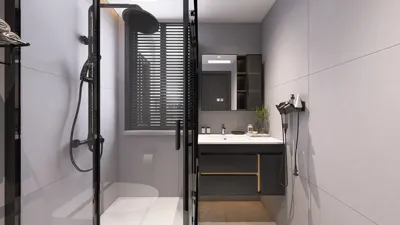


I once fitted an exceptionally large sink into a client's compact laundry closet, which led to a humorous remark about washing the neighbor's dog — a distinct lesson learned regarding scale and planning. Through the process of measuring multiple times, I discovered that an efficiently designed sink can transform a tight laundry area into a surprisingly elegant workspace. This is where effective small laundry designs truly shine. Small spaces necessitate clever solutions, and I'll share five practical concepts that I frequently employ.
1. Deep single-bowl utility sink with over-sink rack
A deep, single-bowl sink comes in handy when you need to soak larger items or rinse mops — it’s both accommodating and practical. Adding an over-sink drying rack that retracts when not in use helps maintain clear countertops; however, this requires a faucet of taller stature, with splash control being slightly more crucial.
save pin
2. Wall-mounted fold-down sink for ultra-tight spots
For an extremely narrow alcove, a wall-mounted fold-down sink is invaluable: you achieve a wash function when necessary and reclaim floor space when you don’t. Although it mandates robust anchoring and a plan for hidden plumbing, the visual lightness and improved access for sweeping make it worthwhile.
save pin
3. Integrated counter sink over stacked washer
Transforming a stacked washer/dryer setup into a laundry station with a compact integrated sink and countertop minimizes steps and offers folding space. If you're reconfiguring the layout, I often recommend sketching it out in a planner — utilizing tools like Homestyler can simplify the visualization of these combinations to ensure clearances are adequate. The benefits include a unified aesthetic and a robust work surface, but do note that plumbing needs to be aligned with the stack placement.
save pin
4. Sink with built-in storage and pull-out hamper
Choosing a vanity-style sink with concealed storage or a pull-out hamper can make a compact laundry area feel orderly rather than cramped. Expect slightly higher expenses for custom cabinetry, but the reward is a tidier space and more efficient daily routines — for example, I once transformed a narrow 3.5-foot closet into a functional station that felt twice its size.
save pin
5. Corner or angled sink with draining ledge
Opting for a corner sink opens up linear wall space and allows you to position a substantial basin where a straight sink wouldn’t fit. Complement it with a specially shaped draining ledge for air-drying delicate items; though angled plumbing can present a slight challenge, the extra counter space gained often justifies that one plumbing call — many clients appreciate the compact aesthetic of a utility sink tucked into the corner.
save pin
FAQ
Q1: What sink size is best for a small laundry room?
A shallow sink within a range of 15–18 inches deep is generally ideal for narrow quarters, while a deeper single-bowl (20+ inches) is better suited for soaking needs. Always measure door swings and washer clearances first to avoid unexpected obstacles.
Q2: Can I install a laundry sink without moving plumbing?
In some instances, yes — a wall-mounted or corner sink can connect to existing drains if situated near the current plumbing. Major relocations, however, will likely necessitate a plumber and potentially a permit based on local regulations.
Q3: Are stainless steel sinks a good choice for laundry rooms?
Stainless steel is strong, easy to maintain, and stain-resistant, making it an excellent option for laundry sinks. If you're concerned about noise, consider sinks crafted from thicker gauge steel or those with sound-deadening undercoating.
Q4: How do I prevent splashing from a deep utility sink?
Utilize a high-arc pull-down faucet with a spray feature, and think about installing a splash apron or a slightly recessed sink to contain water. Placing a mat or tray beneath the faucet area helps safeguard cabinetry from drips.
Q5: What’s the best faucet style for multi-purpose laundry sinks?
A pull-down or pull-out faucet grants extended reach for rinsing and fills large buckets with ease; opt for a single-handle mixer for convenient one-handed temperature adjustments. Select finishes that conceal water spots for a low-maintenance appearance.
Q6: Can I add a drying rack above the sink?
Absolutely — fold-down or slide-away racks mounted over the sink are ideal for delicate items and save valuable counter space. Ensure the rack is rust-resistant and can safely support wet items.
Q7: How do I organize a small laundry sink area more effectively?
Incorporate open shelving or slim cabinets above or beside the sink, use labeled bins, and consider vertical storage for mops and ironing boards to clear up floor area. Establishing distinct zones for washing, drying, and folding enhances the efficiency of compact rooms.
Q8: Are there recommendations for water-efficient laundry faucets?
Certainly — opt for low-flow aerators or WaterSense-certified fixtures to lessen water consumption without compromising performance; as noted by the U.S. EPA WaterSense program, these certified products help conserve water in an effective manner. (EPA, WaterSense)
Homestyler is your go-to online home design platform that makes interior decorating a breeze! With its user-friendly design tool, stunning 3D renderings, and a wealth of inspiring design projects and video tutorials, you can easily transform your space into a dream home, no experience needed!
Design Now for FREE
































