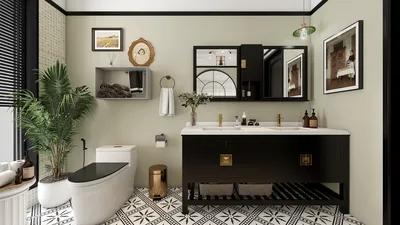


As a designer with over ten years of experience in transforming compact spaces, I've observed that contemporary design trends emphasize versatility: blending functions, concealing clutter, and implementing intelligent layouts to enhance the perception of smaller rooms. Small areas can ignite substantial creativity, especially when merging laundry facilities with bathrooms. In this article, I'll provide five practical design ideas for laundry bathrooms, integrating personal project experiences alongside expert advice and actionable suggestions. I discovered early on that an L-shaped configuration opens up counter space, allowing me to incorporate additional storage and a folding station even in limited footprints.
Stacked Washer Nook with Integrated Vanity
My Perspective
Often, I kick off small projects by arranging the washer and dryer in a designated nook while utilizing the adjacent space for a slim vanity. This approach proves surprisingly effective: one of my clients transformed a chaotic hallway into a serene prep and laundry area in less than two days of construction.
Advantages
Stacking the units conserves floor space while allowing for a compact vanity, offering both grooming and laundry utilities – an excellent solution for small laundry bathroom storage needs. Integrating the washer nook with under-sink storage provides easy access to detergents and enhances linen organization.
Disadvantages
While stacking can create a vertical feel and may seem cramped if the ceiling height is limited, I always joke that clothes dry faster when they are within easy reach. Accessibility can pose challenges for older users unless you opt for front-loading machines equipped with pedestals or pull-out shelves.
Cost Insights
Expected Budget: $800–$2,500 for stackable units plus cabinetry. A useful tip: include a pull-out shelf at waist height to facilitate transferring clothes; even a plywood shelf secured with L-brackets can impart a luxurious feel while being cost-effective.
save pin
Folding Counter over Appliances with Hidden Hampers
My Perspective
I've consistently recommended folding counters above machines for years, as clients appreciate the instant work surface. In one apartment I designed, a simple laminate counter became the homeowner’s cherished spot for folding laundry while enjoying a podcast.
Advantages
A continuous folding counter streamlines laundry tasks and keeps towels within easy reach, representing a central concept in small laundry bathroom design. The inclusion of hidden pull-out hampers beneath the counter minimizes floor clutter and enhances the overall organization of the space.
Disadvantages
This solution requires accurate measurements; any misalignment in washer tops or subpar ventilation might lead to awkward gaps. I've learned from experience that a 1-2 cm margin can save significant frustration during installation.
Cost Insights / Case
If plumbing permits, extend the counter over the machines toward the sink to create an uninterrupted folding surface. For a budget-friendly option, consider a pre-made butcher block sealed with polyurethane — it offers a high-end appearance without the steep price tag.
save pin
Wet Area Separation with Glass Panel or Bi-Fold Screen
My Perspective
I strongly advocate for subtle separations in spaces. In a compact home I worked on, the installation of a tempered glass panel between the shower and laundry area maintained light while preventing splashes — the client described it as feeling both refined and practical.
Advantages
A glass or bi-fold divider helps keep the laundry section dry and enhances the perceived spaciousness of the room, a critical aspect of effective laundry bathroom design in limited spaces. Glass backsplashes can also reflect light, contributing to a more open atmosphere; design experts suggest that transparent dividers are a top recommendation for compact wet areas.
Disadvantages
Glass can accumulate water spots and requires regular maintenance; for those less inclined towards upkeep, consider matte glass or textured plastic options. Bi-fold screens may become worn over time, so it's essential to select quality hardware.
Cost Insights
For budget-conscious projects, a clear acrylic panel serves as an economical substitute for glass, reducing installation costs. Anticipate expenses between $200 and $1,200 based on material choices and whether you go for frameless tempered glass.
save pin
Vertical Storage and Concealed Shelving
My Perspective
I enjoy maximizing vertical space — it often goes underutilized. In a small apartment renovation I worked on, I incorporated built-in shelves above the door and recessed niches beside the shower, providing room for detergents, towels, and even a few decorative plants.
Advantages
Utilizing vertical storage optimizes square footage and supports efficient small laundry bathroom storage solutions such as recessed shelves for toiletries and laundry supplies. Tall cabinets or open shelving with baskets can maintain organization while allowing for a visually light design when consistent materials and colors are applied.
Disadvantages
High shelves may be difficult to reach. I recall designing a beautiful floor-to-ceiling cabinet that ultimately fell into disuse, reserved only for mismatched hangers — a reminder that designs should cater to actual habits instead of idealized ones.
Cost Insights / Case
Consider adding a slim rolling ladder or keeping a stylish folding stool within the space. If opting for open shelving, use closed baskets to minimize visual clutter; materials such as rattan or canvas are both budget-friendly and inviting.
save pin
Multi-Purpose Wet Sink and Utility Zone
My Perspective
Integrating a deep utility sink with a shallow bathroom vanity is my preferred method when clients need both hand-washing capability and stain treatment areas. In one condo renovation, I included a basin for delicate items beside a shallow sink for everyday use — it transformed into the family's go-to laundry command center.
Advantages
A utility sink facilitates stain pre-treatment and pet washing, and when paired with built-in shelving, it results in a highly functional small laundry bathroom layout. This design supports multiple-use fixtures, thereby minimizing the requirement for extra plumbing.
Disadvantages
Utility sinks can occupy valuable space and may appear overly utilitarian in residential environments. I often enhance the aesthetic by adding a wooden shelf above the sink or decorative backsplash, creating a more cohesive look.
Cost Insights
Opt for a shallow integrated basin for the vanity alongside a separate deep utility tub set within cabinetry to control any potential water spillage. Anticipate plumbing and sink costs to range from $300 to $1,200 depending on chosen fixtures and finishes.
At this midpoint in our discussion, I want to emphasize a crucial design note: planning is key in small spaces. Even a simple divider, well-designed countertop, and organized habits can dramatically alter the functionality of a room. For layout visuals and quick renderings, utilizing tools specialized in bathroom configurations is invaluable; I regularly explore concepts digitally to verify clearances and sightlines — for instance, using a glass backsplash can create an airy ambiance in renderings before committing to extensive renovations and bring your design visions to life with Homestyler.
save pin
Summary
Small kitchens, compact bathrooms, and combined laundry bathrooms are not drawbacks; they serve as design challenges that prompt us to innovate effectively. These laundry bathroom design concepts focus on optimizing every square inch: stacking appliances, crafting folding surfaces, delineating wet zones, utilizing vertical construction, and merging utility sinks with vanity areas.
For reliable references, the National Kitchen & Bath Association (NKBA) promotes thoughtful storage and workflow strategies in small wet spaces, aligning with many of the recommendations I've provided. Which of these ideas would you consider implementing in your home?
save pin
FAQ
1. What is the optimal layout for a laundry bathroom?
I suggest focusing on workflow: place washer and dryer near plumbing, include a sink for pre-treatment purposes, and integrate a folding surface. In smaller spaces, stacked units or an L-shaped configuration often yield the best results.
2. How do I avoid a cramped feeling in a laundry bathroom?
Utilize light-reflective materials, glass dividers, and vertical storage. Maintaining consistent color schemes and concealed storage options helps reduce visual clutter, making the area appear larger.
3. Is it permissible to place a washer in a bathroom?
Yes, assuming local plumbing and electrical regulations permit it; ensure appropriate venting, GFCI-protected outlets, and sufficient drainage. Collaborate with a licensed plumber and electrician to ensure compliance and safety.
4. What materials are ideal for wet areas with laundry appliances?
Opt for moisture-resistant materials such as porcelain tiles, sealed stones, or waterproof laminates. For countertops, durable choices like sealed butcher block or quartz effectively withstand humidity.
5. What budget should I anticipate for remodeling a combined laundry bathroom?
Costs can vary significantly: minor updates (like appliance swaps, painting, and shelving) can range from $1,000 to $4,000; full remodels involving new plumbing, tiling, and cabinetry typically range from $6,000 to $20,000 depending on your area’s finishes and labor costs.
6. How can I ensure proper ventilation in a laundry bathroom?
Adequate mechanical ventilation is crucial: select an exhaust fan sized appropriately for the space and contemplate a humidity-sensing model. Suitable ventilation prevents mold and extends appliance longevity — NKBA technical guidance highlights that ventilation is key in combined areas.
7. Any tips for styling a laundry bathroom to evoke a cozy atmosphere?
Incorporate texture: wooden shelves, woven baskets, and small plants create a welcoming vibe. Utilize matching containers for functional items to maintain a unified look.
8. How can I visualize these ideas before commencing renovations?
Using a 3D design tool or rendering software assists in confirming material choices and spacing. I consistently create digital mock-ups for my clients so they can visualize sightlines and storage solutions before we start any demolition. If you're looking for simple visualization, tools like Homestyler can be incredibly beneficial.
save pin
Homestyler is your go-to online home design platform, perfect for all skill levels! With its user-friendly design tool, stunning 3D renderings, and a wealth of design projects and DIY video tutorials, you can effortlessly create and visualize your dream home. Transform your space today!
立即免费设计
































