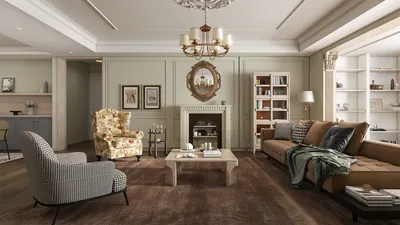


In my experience, placing a small round table too near an oven hinge taught me a valuable lesson: merging style with practicality is essential. The client envisioned a charming 'Parisian café' atmosphere, while I aimed for an impactful design, but in the end, the oven set the limits. Small kitchens have been the backdrop for both my most creative design choices and my hardest lessons, which is precisely why I am so passionate about them.
Small areas can ignite immense creativity, so I'm excited to share five practical ideas for incorporating a small table with two chairs, inspired by over a decade of kitchen transformations. Additionally, if you want to envision your space before making a purchase, utilizing tools like Homestyler can drastically improve your planning.
1. Wall-Mounted Drop-Leaf Table
I often recommend wall-mounted, drop-leaf tables for clients who enjoy cooking but seldom dine. They can fold flat when not in use, ensuring a clear pathway while providing a surprisingly sturdy dining surface.
Benefits: extremely space-efficient and economic. Challenges: requires solid studs and hinges rated for weight; combine it with lightweight or stackable stools for functionality.
save pin
2. Slim Bistro Bar Against the Wall
A slim, counter-height bistro table positioned against the wall creates a café-like nook while maximizing floor space. I once fit one into a six-foot-wide galley kitchen by selecting chairs that tuck neatly under the table.
Advantages: offers a casual breakfast bar and additional prep space. Disadvantages: may not be the most comfortable for lengthy dinners; consider cushions or bar stools for added comfort during longer meals.
save pin
3. Small Round Pedestal Table for Optimal Flow
Round tables help to eliminate awkward corner traffic, making them ideal for spaces where two chairs must coexist with kitchen activity. I suggested one to a family who needed access to their dishwasher without sacrificing space for seated guests.
Benefits: enhances circulation and fits well in smaller areas. Be cautious of wobbling — investing in a sturdy pedestal base can be more expensive but offers durability over time. To test layouts effectively, a quick sketch can help visualize clearances before investing in a purchase.
save pin
4. Built-In Banquette with Storage
When clients seek a cozy atmosphere with hidden storage, banquettes are my preferred choice. A bench along one wall paired with two chairs on the other maximizes seating while cleverly hiding blankets or pantry items underneath.
Ideal for: optimizing seating in unique spaces and adding storage solutions. Considerations: built-ins require a larger budget and are semi-permanent; however, they boost functionality and resale value when implemented correctly.
save pin
5. Narrow Floating Shelf Table or Sliding Tray
For kitchens that resemble corridors, a narrow floating shelf or a sliding tray that extends from your cabinetry can serve as a quaint dining table for two. I incorporated a pull-out tray in a rental project — it's budget-friendly, reversible, and surprisingly functional.
Advantages: minimal footprint and ideal for renters. Note: smaller surfaces mean a need for minimalistic plating. To foresee your setup in realistic conditions, consider creating a quick 3D mockup with tools like Homestyler to minimize unexpected surprises.
save pin
FAQ
Q1: What is the optimal table size for two people in a compact kitchen?
A table measuring approximately 24–30 inches (60–75 cm) wide and 30–36 inches (75–90 cm) long or a 36–42 inch (90–105 cm) round table typically provides comfortable seating for two while conserving space.
Q2: Are fold-down tables sturdy enough for regular use?
Absolutely, provided that quality hinges are used and the table is properly mounted into studs. For everyday dining, opt for heavy-duty hardware along with a thicker tabletop to prevent sagging.
Q3: What clearance is necessary behind chairs?
Allow at least 24 inches (60 cm) behind chairs for passage; 30 inches (75 cm) is preferable for added comfort if space permits.
Q4: Can a banquette be accommodated in a rental property?
Yes, consider utilizing a freestanding bench or modular banquette, which does not necessitate structural modifications. This option provides similar benefits and can be easily removed when you relocate.
Q5: What materials are best for a small kitchen table that resists wear?
I recommend solid wood with a sealed finish, laminate, or durable surfaces like quartz; avoid using unfinished softwoods near high-heat cooking zones.
Q6: How can I select chairs that complement a compact table?
Select chairs that can be tucked entirely under the table or opt for lightweight stackable stools. Chairs with a slim profile and minimal footprint will help maintain an open feel in the space.
Q7: Are there guidelines for kitchen traffic flow and table positioning?
Ensure major appliance doors (oven, fridge, dishwasher) can open fully without colliding with chairs. Measure the swings of appliances prior to finalizing your arrangement.
Q8: Where can I access expert layout recommendations?
Information from the National Kitchen & Bath Association (NKBA) can serve as a reliable source for understanding clearances and flow requirements (visit NKBA standards at https://nkba.org for detailed guidelines).
save pin
Homestyler is your go-to online home design platform that makes creating beautiful spaces easy and fun. With its user-friendly design tool, stunning 3D renderings, and a wealth of DIY video tutorials, transforming your home into a masterpiece has never been simpler!
Progetta ora GRATIS
































