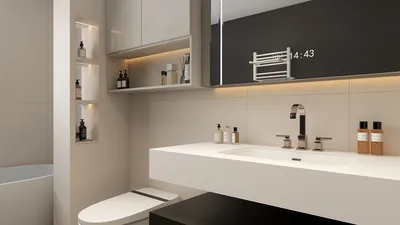


Once, a client requested a kitchen design that featured absolutely "nothing" — no hardware, no overhead cabinets, and not even visible appliances. Initially, I thought she was joking. However, as we delved deeper into the idea, I came to appreciate that in limited spaces, simplicity can indeed be superior. Minimalist kitchens focus not only on aesthetic appeal but also on utilizing every square inch efficiently, avoiding clutter. Drawing from over a decade of experience in home design, particularly in small apartments, I present 10 practical minimalist kitchen concepts that are functional and spacious, rather than merely suitable for magazine spreads. If you're keen on experimenting with layouts before implementing them, consider using a room planner, like Homestyler, to visualize the perfect fit for your space.
1. Handle-Free Cabinets
Flat-panel push-to-open cabinetry offers a streamlined appearance. This design minimizes visual clutter, helping a compact kitchen feel more spacious. Be aware, though, that glossy finishes tend to showcase fingerprints, so opting for a matte surface can reduce daily upkeep.
2. Integrated Appliances
Incorporating built-in ovens, concealed dishwashers, and refrigerators hidden behind cabinetry panels creates a cohesive aesthetic. However, this demands precise measurements, particularly in older structures where walls may not be perfectly aligned.
3. Monochromatic Color Palettes
Utilizing a single dominant hue for walls, cabinets, and backsplashes simplifies visual elements. While a classic white-on-white scheme is timeless, shades like charcoal or soft beige can impart a warmer ambiance. Keep in mind, darker colors may necessitate enhanced task lighting.
4. Essential Open Shelving
Floating shelves can give a kitchen an open and airy feeling — just ensure they're only used for daily essentials and stay organized. This technique can make a compact kitchen feel more inviting without appearing chaotic.
5. Seamless Countertops
Extending your countertops into a backsplash or windowsill achieves a unified design and simplifies cleaning. If you're uncertain about optimizing your cooking zones, explore various configurations using a free floor planner, such as Homestyler.
6. Slim Fixtures
Consider compact sink basins, low-profile faucets, and slim induction cooktops. These features free up counter space while maintaining functionality. Just ensure that replacement parts are easy to find in the future.
7. Discreet Lighting
Incorporating LED strip lights beneath cabinets or within toe-kicks enhances the openness of the space without bulky fixtures. While it may require a higher initial investment, the ambiance created is invaluable.
8. Minimal Hardware
If handles are necessary, opt for slender, linear designs. Finishes like brass or matte black can subtly enhance the minimalist aesthetic without disrupting the sleek look.
9. Clear Countertops
Store smaller appliances within cabinets or appliance garages. Keeping only a few essential items, like a coffee maker or fruit bowl, visible can prepare surfaces for cooking and also for that Instagram-ready kitchen image.
10. Defined Layout Zones
Even within a minimalist kitchen, establishing zones for cooking, preparation, and cleaning significantly increases efficiency. I find it beneficial to utilize a kitchen layout planner to help clients visualize the spatial flow before finalizing plans.
FAQ
1. What is the main advantage of a minimalist kitchen?
It minimizes clutter and visual distractions, creating a spacious and tranquil environment, which is perfect for small homes.
2. Are minimalist kitchens suitable for families?
Absolutely! However, effective storage solutions are essential to keep everything in order, especially children's possessions.
3. Do minimalist kitchens have to be white?
Not at all! Soft hues like beige, gray, or gentle greens are excellent choices that still preserve a clean look.
4. How can I avoid a minimalist kitchen feeling cold?
Incorporating warm metals, wooden elements, and textured materials, such as linen curtains, can soften the overall aesthetic.
5. Is creating a minimalist kitchen costly?
It's feasible on a budget! Begin with decluttering, applying fresh paint, and focusing on uniform cabinet fronts.
6. Which countertop materials are most suitable?
Quartz, composite, and wood are all excellent options; consider durability, maintenance, and your chosen color scheme.
7. How can I conceal electrical outlets in a minimalist kitchen?
Utilize pop-up sockets or place outlets underneath cabinets for a clean look on the backsplash.
8. Where can I find inspiration for layouts?
Explore real project images or utilize interactive tools like Homestyler's planners to rapidly test out various designs.
Originally incubated at Autodesk, Homestyler has grown into one of the most widely adopted home design platforms in the world, now trusted by over 18 million users. Whether you're a homeowner exploring ideas or a professional designer delivering client-ready renders, Homestyler brings industry-leading 3D technology to your fingertips — no experience required.
Homestyler is your go-to online home design platform. With its user-friendly design tool, stunning 3D renderings, and a wealth of inspiring projects and video tutorials, you can effortlessly create and visualize your dream spaces—perfect for both beginners and seasoned designers!
Дизайн сейчас бесплатно
































