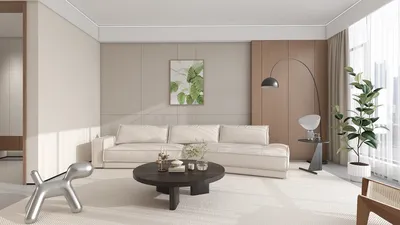


As a designer with over ten years of experience transforming compact areas into inviting, functional living spaces, I have observed a continuous rise in the popularity of multifunctional sofas each season. The charm of small spaces has paved the way for innovative designs: incorporating an L-shaped sectional in a limited living room can enhance seating capacity, storage solutions, and overall flow when strategically planned. In this article, I will present five practical design ideas based on my actual projects, insights from clients, and key findings from the industry—helping you select the optimal option for your space. An L-shaped arrangement efficiently utilizes floor area.
Compact L-Shaped Sectional with Integrated Storage
My Insight: I frequently recommend compact L-shaped sectionals with built-in storage solutions for studio clients where maximizing every square inch is crucial. In one instance, I designed a 2.6m corner sectional featuring lift-up seats for linens and a slim side drawer ideal for remote controls—effectively adding a closet without compromising seating space.
Advantages: The ideal L-shaped sectional for small living rooms typically merges seating with storage, minimizing the necessity for additional cabinets. If you're in search of a space-saving L-shaped sofa for apartment living, this approach helps keep clutter concealed while preserving functional seating.
Disadvantages: Storage features may increase the weight and cost of the sofa; additionally, some clearance is needed for lift mechanisms. I often joke with clients that, in a positive light, the sofa can become the family's secret storage area.
Advice / Budget Considerations: Seek models incorporating gas-lift seats or shallow drawers; a custom birch frame with plywood storage boxes is durable and usually falls within a moderate budget. Anticipate an added cost of 15–25% on top of the base sectional price for built-in storage options.
Slipcovered L-Shaped Sectional for Increased Versatility
My Perspective: Slipcovers are a lifesaver for busy homes. I recommended a washable slipcovered L-shaped sectional to a young family desiring a stylish look with the practicality required to endure spills and frequent laundering.
Advantages: Slipcovered choices make a compact L-shaped sectional for small living rooms friendly for children and simple to refresh. If you’re searching for the most practical L-shaped sectional for small living spaces, this is frequently the most low-maintenance option available.
Disadvantages: Slipcovers can shift on low-density foam cushions and may require occasional re-tucking. They can also soften sharp design aesthetics, potentially appearing less refined if you prefer sculptural lines.
Advice / Case Study: Opt for performance fabrics (stain-resistant or outdoor-rated) and invest in a fitted slipcover with inner ties. A neutral slipcover allows for seasonal swaps of throws and pillows for a rejuvenated look without needing to entirely reupholster.
save pin
Low-Profile L-Shaped Sectional to Enhance Sightlines
My Insight: In my small urban apartment projects, I often lean toward low-back, low-profile L-shaped sectionals to keep sightlines unobstructed, making the room feel more spacious. For example, in a Chelsea apartment with only 9-foot ceilings, a mid-century low sofa instantly lightened the atmosphere.
Advantages: A low-profile L-shaped sectional for compact living areas reduces visual bulk while maintaining seating availability. When paired with tall curtains and a slender media console, it can create an illusion of depth—a well-established trick among designers (source: Architectural Digest).
Disadvantages: Low backs may provide less neck support during prolonged TV viewing and can feel less formal for entertaining. I sometimes suggest incorporating taller back cushions or high lumbar pillows for added reading comfort.
Advice / Budget Considerations: Combine low-profile seating with elevated legs to allow light beneath the sofa, making cleaning easier. This style is often budget-friendly due to the reduced volume of upholstery; a straightforward frame with feather-blend cushions strikes a balance between cost and comfort.
save pin
Modular L-Shaped Sectional for Long-Term Adaptability
My Take: I have a strong preference for modular pieces for renters and families experiencing transitions. I designed a modular L-shaped sectional for a young couple that expanded with them—adding an extra chaise when they relocated to a slightly larger apartment.
Advantages: A modular L-shaped sectional for small living rooms allows for flexible seat arrangements accommodating various needs: movie nights, guests, or a quick setup for yoga. Many clients seeking the perfect small living room sectional value the versatility that modular designs provide.
Disadvantages: Modular units can carry a higher cost per linear foot and may reveal gaps between sections if not anchored correctly. Additionally, an abundance of choices can overwhelm clients when determining their ideal layout.
Advice / Case Study: When planning a modular design, sketch out common configurations and keep a couple of pieces slightly movable. For tricky layouts, I frequently create digital visualizations—seeing multiple configurations helps prevent layout regret. To effectively visualize an L-shaped setup within confined spaces, consider using Homestyler, a platform that aids in testing proportions before making a purchase.
save pin
Slim-Armed L-Shaped Sectional with Elevated Legs
My Insight: In my last five small living room projects, I focused on designs with slim arms and elevated legs. I recall a north-facing flat where replacing a bulky arm with a slender track arm and 15 cm tapered legs dramatically enhanced roominess.
Advantages: A slim-armed L-shaped sectional for small living rooms decreases visual weight while maintaining seat depth. Elevated legs allow light to filter underneath, creating an illusion of spaciousness—a simple tip I share with many first-time buyers.
Disadvantages: Elevated legs expose the sofa’s base, increasing the importance of the under-structure finish. For clients wary of pets, open underframes may accumulate stray toys and dust.
Advice / Budget Considerations: Choose metal or solid wood legs for longevity; spending an additional 10–20% on quality leg hardware can yield lasting benefits. For a contemporary touch, combine this style with subtle AI-assisted layout suggestions for tailored placement recommendations—many clients appreciate visualizing alternate orientations before making final decisions.
save pin
Summary
Small kitchens and living rooms shouldn't be viewed as constraints—instead, they challenge us to be smarter in our furniture selections. Finding the right L-shaped sectional for small living rooms involves balancing dimensions, storage solutions, and flexibility. Whether you opt for integrated storage, washable slipcovers, low-profile silhouettes, modular configurations, or slim arms with elevated legs, each tactic can enhance the sense of space and usability in your cozy living environment. (For broader industry insights about seating strategies in small areas, refer to Architectural Digest.)
Which of these five suggestions are you most eager to try in your home?
save pin
FAQ
1. What size L-shaped sectional suits a small living room best? A sectional that leaves at least 30–40 cm of clear space along the most used pathways works effectively. Measure your seating requirements against the longest uninterrupted wall and door swing before making a purchase.
2. Can an L-shaped sectional fit within a studio apartment? Absolutely—consider a compact chaise or modular units that can be transformed into a loveseat plus ottoman. Seek out designs labeled as apartment-sized or compact to avoid oversized options.
3. Are L-shaped sectionals suitable for small living rooms with TV walls? Definitely. A low-profile L-shaped sectional can establish a comfortable viewing area while maximizing seating. Ensure visual balance by pairing it with a slim media cabinet.
4. How do I reduce the visual bulk of an L-shaped sectional? Select slim arms, low backs, elevated legs, and lighter upholstery. Strategic rug placement and vertical decor can also help divert attention from the overall mass.
5. Is a slipcovered L-shaped sectional durable enough for households with kids and pets? Yes—performance fabrics and machine-washable slipcovers render these sectionals surprisingly tough. For high-traffic areas, look for materials labelled as stain-resistant or meant for contract use.
6. What storage should I expect from a sectional featuring hidden compartments? Storage capacity can differ, but numerous compact sectionals with storage provide approximately 300–600 liters for blankets, toys, or seasonal items.
7. Are modular L-shaped sectionals worth the additional expense? For renters or individuals expecting layout changes, modular sectionals justify their higher cost through adaptability. They facilitate various seating arrangements and can be adjusted according to evolving needs.
8. Where can I locate reliable design guidance for positioning an L-shaped sectional? Trusted industry resources like Architectural Digest and Houzz provide practical tips and visual examples; I personally refer to these when advising clients. For hands-on visualization, professional 3D planners and design services can accurately assess proportions before any purchases (see Houzz or Architectural Digest for more information).
save pin
Built on technology originally developed at Autodesk, Homestyler empowers anyone to design beautiful, realistic spaces in minutes. Join over 18 million users who have already discovered a smarter way to plan, visualize, and bring their dream homes to life — all from the comfort of a browser.
Homestyler is your go-to online home design platform for transforming your space effortlessly. With its user-friendly design tool, stunning 3D renderings, and a wealth of inspiring design projects and video tutorials, you can unleash your creativity and bring your dream home to life!
Progetta ora GRATIS
































