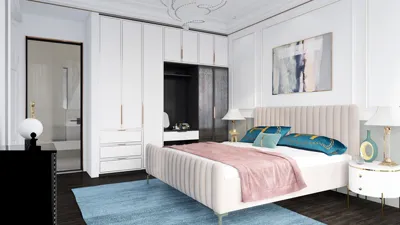


I once had a client who wanted their compact ensuite to resemble a "converted warehouse," featuring an upcycled oil drum sink and a neon sign. To communicate this vision without needing a demolition permit, I utilized AI design mockups to illustrate realistic before-and-after scenarios, which eased concerns and inspired better decisions.
Limited space in bathrooms encourages innovative thinking, and through my experiences, I've learned how to effectively incorporate space, texture, and lighting so that an industrial aesthetic feels inviting instead of stark. Below, I present five practical industrial bathroom concepts sourced from actual projects, along with insights on budget, potential challenges, and initial steps to take.
1. Incorporate raw materials and authentic finishes
Materials like exposed brick, polished concrete, and matte black metal instantly convey an industrial vibe. I enjoy combining a sleek concrete basin with rugged brick — it conveys a sense of luxury while often remaining budget-friendly if you keep the finishes uncomplicated.
The advantages include durability and character; however, challenges may arise with moisture management and dust accumulating on uneven surfaces, so it's wise to plan for sealants and easy-clean areas from the start.
save pin
2. Choose a monochrome palette with warm rust highlights
A color scheme of charcoal, soft gray, and off-white keeps the space cohesive; adding copper or rusted steel elements infuses warmth. In a recent small project, I replaced chrome fixtures with aged brass ones, which added depth to the minimalist color palette.
This approach carries low risk: paint and hardware are relatively easy to update later, though finding consistent patinas may turn into a tiny scavenger hunt.
save pin
3. Utilize pipe shelving and visible plumbing as decor
Open shelving crafted from reclaimed wood paired with black pipe brackets offers a stylish way to store towels and display curated decor. I frequently provide photo-realistic renders to clients through Homestyler, allowing them to visualize how open shelving impacts space and storage before making final choices.
This method optimizes storage in tight rooms, but be sure to keep frequently used items within easy reach and avoid overcrowding shelves for a more airy atmosphere.
save pin
4. Opt for compact industrial vanities
Vanities with metal frames or wall-mounted trough sinks create storage while conserving floor space. For a 1.8m bathroom, I designed a floating steel frame with a slim concrete top — it appeared substantial but opened up floor space for a larger shower.
They are visually appealing and space-saving; however, custom metal or concrete tops could increase expenses; considering ready-made metal bases with fabricated tops can help maintain reasonable costs.
save pin
5. Use lighting and mirrors effectively
Large mirrors framed in slim metal and multilayered lighting can enhance small bathrooms. Combining an overhead industrial pendant with task sconces not only provides ambiance but also functionality; pairing these with space-efficient layouts can create the illusion of a larger area.
Upgrading lighting can yield significant results for a relatively modest investment, but ensure fixtures near wet areas are rated for moisture and select finishes that withstand humidity.
save pin
FAQ
Q1: What are the key characteristics of an industrial bathroom?
I would define it as featuring honest materials, minimal embellishments, and functional fixtures — envision concrete, metal, exposed piping, and a simple color palette. It's more about embracing rugged simplicity than mimicking a factory setup.
Q2: Are industrial finishes suitable for small bathrooms?
Indeed — with proper planning. Utilize sealed concrete and moisture-resistant paints, and avoid textured surfaces in splash zones to achieve a balance between aesthetics and maintenance.
Q3: How can I warm up an otherwise stark industrial scheme?
Integrate wood accents, warm metals such as brass or copper, cozy textiles, and layered lighting to soften the raw elements while maintaining the style's edge.
Q4: Can I transform an existing bathroom into an industrial style on a budget?
Definitely. Change fixtures, add a metal-framed mirror, expose a small area of brick if feasible, and decorate with industrial-style accessories for a significant visual upgrade without hefty costs.
Q5: What are the best storage options?
Utilize open shelving with pipe brackets, ladder towel racks, and recessed niches to keep items accessible and in tune with the theme. In small spaces, I generally favor open storage to avoid visual clutter, but it’s wise to incorporate closed storage for items prone to causing mess.
Q6: How can I choose durable materials for wet areas?
Opt for sealed stone or porcelain tiles, moisture-rated paints, and stainless or powder-coated metals for resistance against corrosion and staining. If possible, evaluate finishes in a humid environment.
Q7: What accessibility considerations should I keep in mind?
Yes — as per the ADA Standards for Accessible Design, ensure clear floor space and reachable fixtures are planned for in accessible bathrooms; integrate grab bars, turning space, and fixture heights early in the design process if accessibility is a priority.
Q8: What budget should I anticipate for an industrial bathroom renovation?
Costs can vary significantly: a minor cosmetic refresh can be accomplished affordably with new fixtures and paint, while custom concrete or reclaimed materials may increase expenses. Determine two priority splurge items and keep the remaining selections economical to help manage your budget.
save pin
Homestyler is your go-to online home design platform! With its user-friendly design tool, stunning 3D renderings, a wealth of design projects, and informative video tutorials, you can effortlessly create and visualize your dream space. Transform your home design ideas into reality!
Progetta ora GRATIS
































