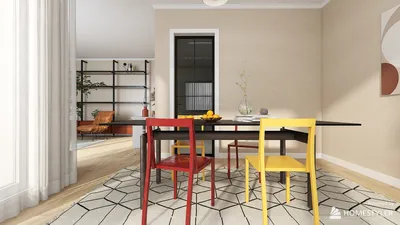


I once had an experience where I guided a client in selecting an eye-catching charcoal countertop, only to discover I had mistakenly ordered the matte finish instead of the honed one. We shared a laugh, I made the correction, and that incident highlighted how lighting and finish can dramatically alter the perception of gray countertops. My lessons learned from small kitchens were the most invaluable: gray tops can convey warmth, coolness, sleekness, or coziness depending on their surroundings. In compact kitchens, the countertop truly becomes a centerpiece of the entire space. In this article, I’ll share five practical gray kitchen countertop concepts that I've successfully applied in actual projects, complete with advantages, unique characteristics, and budget-friendly tips that are effective.
1. Light Ash Gray Quartz for Bright Small Kitchens
I adore using light ash gray quartz in petite galley kitchens since it effectively reflects light while concealing crumbs more efficiently than pure white surfaces. The advantages include low maintenance, a consistent pattern, and a durable surface that resists stains—ideal for busy households. However, a slight downside is that quartz may appear overly uniform in traditional motifs; I often recommend incorporating a textured backsplash or wooden open shelves to introduce warmth to the space.
save pin
2. Mid-Gray Marble Look for Classic Elegance
For those seeking a hint of luxury, a mid-gray marble-look surface—whether veined quartz or marble porcelain—exudes sophistication without the chilliness that deeper grays can impart. It complements brass accents and warm wood hues beautifully. The downside is often related to price and upkeep, particularly with real marble; I tend to advocate for engineered stone for more practical everyday use unless the budget comfortably covers the care marble necessitates.
save pin
3. Charcoal Soapstone for a Moody, Durable Surface
Soapstone’s rich charcoal tones and gentle patina are unbeatable for creating a warm, lived-in kitchen atmosphere. It withstands heat and ages gracefully, yet it may scratch and require occasional oiling to maintain an even color. A past client of mine fell in love with the evolving patina—she felt like it added a narrative to the countertop. Pairing it with lighter cabinetry can help prevent an overly heavy aesthetic.
save pin
4. Concrete-Look Gray for Industrial Chic
Countertops that mimic concrete (either polished concrete or porcelain slabs) introduce a contemporary, industrial vibe and can be customized in tone. They're perfect for open-plan loft designs and blend well with matte black fixtures. However, be mindful that poured concrete can be hefty and at times develop hairline cracks; opting for porcelain alternatives can provide a lighter, maintenance-free option without sacrificing the trendy appearance.
save pin
5. Two-Tone with Dark Gray Island and Lighter Counter Perimeter
Implementing a two-tone design—where a dark gray island contrasts with lighter perimeter countertops—creates a visually appealing balance in compact kitchens. This approach enhances focal points and aids in defining spaces within an open design. A key factor to consider is how to coordinate seams and material transitions; I often suggest using the same family of materials to maintain a cohesive finish.
If you're eager to visualize these layout concepts swiftly, consider using a room planner to experiment with color balance and island positioning before settling on your choice of slabs.
save pin
FAQ
Q: Are gray countertops appropriate for small kitchens? A: Absolutely! Gray can enhance the visual space of a small kitchen when selecting lighter shades and reflective finishes. A well-chosen countertop also conceals everyday wear far better than immaculate white.
Q: Which gray countertop material requires the least maintenance? A: Generally, engineered quartz is the easiest to maintain due to its non-porous nature and stain resistance, making it perfect for families and renters.
Q: Do gray countertops make a kitchen feel cold? A: They can, especially when combined with cool-toned cabinetry and chrome accents; however, balancing these elements with warm woods, brass accents, or warm lighting can prevent a sterile ambiance.
Q: How should I match my backsplash and cabinetry to gray countertops? A: Choose one dominant undertone (warm or cool) for cabinetry and backsplashes to assure cohesion, and introduce contrasting materials like wood or metal for added texture.
Q: What is the pricing range for gray countertop materials? A: Prices fluctuate: laminate is the least expensive, engineered quartz and porcelain sit in the mid-range, while natural stones such as marble or high-quality soapstone fall into the premium category.
Q: Can concrete-look countertops work in a small kitchen? A: Yes! Porcelain slabs provide the aesthetic of concrete without the disadvantages of weight and cracking that poured concrete poses.
Q: Are there environmental implications to consider with gray countertop selections? A: Certainly; natural stone and certain resins may have higher ecological footprints. Opt for recycled-content quartz or certified low-VOC products for a greener choice. For reliable guidance on material safety and standards, refer to resources like the U.S. Environmental Protection Agency (EPA) regarding indoor air quality recommendations (https://www.epa.gov).
Q: How can I preview various gray countertops in my kitchen? A: Utilizing a 3D floor planner to visualize different finishes and lighting options before making a purchase can save time and prevent costly mishaps.
save pin
Discover your home's potential with Homestyler! This user-friendly online design platform offers an intuitive design tool, stunning 3D renderings, and a wealth of design projects and DIY video tutorials. Whether you're a beginner or a pro, Homestyler makes transforming your space enjoyable and effortless!
Design Now for FREE
































