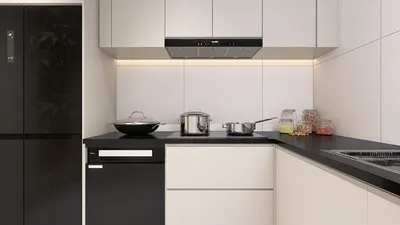


I once mistakenly installed an overly wide island in a 7-foot galley kitchen, leading to a comical shuffle between counters for the homeowners — a valuable lesson learned the hard way. That experience motivated me to delve deeper into how an island can actually enhance a compact galley space, gathering the most effective strategies in this guide, along with some practical design twists I’ve implemented for small galley kitchen inspiration. Small spaces inspire significant creativity, and I’m excited to share 5 practical strategies that harmonize flow, storage, and style, all using Homestyler for visual planning.
1. Slim Overhang Island
An elongated island featuring a shallow overhang offers seating while maintaining the clearance for movement. This cost-effective solution is perfect for a relaxed breakfast area, though it may not accommodate large appliance storage.
save pin
2. Pull-Out Pantry Island
Transform one side of the island into vertical pull-out pantry drawers to optimize storage space without expanding the layout. This clever method enhances accessibility for your kitchen supplies, although it requires meticulous planning regarding hinge and pull clearances.
save pin
3. Floating Prep Island
A slender, floating island supported on casters or legs provides a versatile prep area that can be relocated for cleaning or entertaining. I’ve effectively used this approach in rental spaces — it’s an affordable and adaptable option, but be sure to secure it with a lock or a heavy top to prevent movement during food prep. If you’re looking for visualizations, I frequently illustrate kitchen designs using Homestyler 3D renderings to identify traffic flow issues before the actual work begins.
save pin
4. Dual-Function Sink Island
Incorporating a compact prep sink within the island keeps the primary counter free and establishes an additional cooking area. This design is especially beneficial for couples cooking together, although it may increase costs due to plumbing and possibly necessitate rerouting beneath floors or through cabinetry.
save pin
5. Convertible Island-Cart
An economical alternative is a convertible island-cart that features foldable leaves: it expands when needed and can be stowed away to maintain the aisle space. This DIY-friendly approach works well for those on a budget, although it may not convey the same sturdiness as a built-in option. For layout trials, I often recommend exploring a free gallery that offers various floor plans to test clearances and sightlines, ensuring everything fits perfectly with your vision using Homestyler.
save pin
FAQ
Q1: What is the ideal aisle width between the island and countertop in a galley kitchen?
A: Aim for a minimum of 36–42 inches for a single cook, and 42–48 inches if two people are cooking in tandem. Wider aisles enhance movement but may limit cabinetry space.
Q2: Can a galley kitchen accommodate an island?
A: Absolutely, with precise measurements. Slim islands, movable carts, or those with minimal overhangs can fit within narrow galley designs, enhancing both preparation and social interactions.
Q3: Which materials are best for small islands?
A: Lightweight surfaces such as butcher block or laminate are economical and manageable for mobile islands; quartz or stone tops are durable but generally heavier and more expensive for compact designs.
Q4: Are islands beneficial in rental properties?
A: A mobile island or cart can elevate perceived value and functionality without permanent modifications, making it a wise, reversible investment for rentals.
Q5: What should I consider for plumbing an island sink?
A: Plumbing involves complexity and potential expenses; it’s important to coordinate early with a plumber to plan for drains and ventilation, and consider a shallow prep sink to reduce plumbing length.
Q6: What type of lighting best suits a galley island?
A: Slim pendant lights or linear LED fixtures positioned above the island provide effective task lighting without overwhelming the limited vertical space; utilizing dimmable features can help adjust the ambiance.
Q7: Are there safety clearances I need to adhere to?
A: Maintain separation between cooktops and traffic lanes when possible, ensure clear working aisles, and make sure overhangs do not pose tripping hazards. For guidelines on recommended clearances, refer to the National Kitchen & Bath Association (NKBA) standards at https://www.nkba.org.
Q8: How can I visualize various island designs before finalizing my choice?
A: Quickly sketching floor plans or utilizing simple digital mockups can help assess aisle measurements and sightlines; even laying out outlines with tape on the floor can expose practical issues prior to implementation.
save pin
Looking to transform your space? Homestyler is your go-to online home design platform! With its easy-to-use design tool, stunning 3D renderings, and a treasure trove of design projects and video tutorials, you can unleash your creativity and design like a pro in no time!
지금 무료로 디자인하세요
































