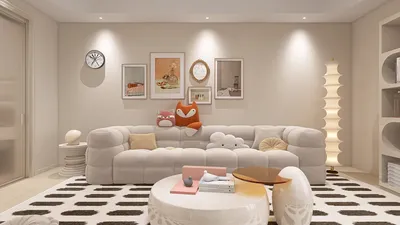


A client once requested that I create a dining table design reminiscent of a Parisian florist's window – but without the flowers. Initially, I assumed it was a light-hearted remark, but she was quite serious. That moment taught me a vital lesson: everyday centerpieces do not need grand bouquets, and a well-thought-out idea can elevate the ambiance without creating clutter. Clever dining table styling can work wonders in both small and large spaces. Today, I’d like to share ten practical centerpiece ideas that I've successfully implemented in various homes. Each idea is tested, cherished, and sometimes adjusted after a coffee mishap. If you're interested in how these table arrangements can complement a home's overall aesthetic, you might find inspiration in this inviting dining room layout example.
1. A Singular Sculptural Vase
I have a deep appreciation for the sophisticated look of a tall, sculptural vase – it commands attention even when empty. With just one stunning piece, you can maintain a stylish table while avoiding clutter. However, a common challenge is dealing with fingerprints. My advice: choose vases with matte finishes to conceal them more effectively.
2. Seasonal Fruit Bowl
A bowl filled with vibrant citrus in the winter or shiny cherries in the summer creates an inviting atmosphere. Not only does it emit a delightful fragrance, but it's also edible (a bonus!). Be sure to rotate the fruit regularly to keep it fresh and appealing.
3. Clustered Candlesticks
Combining candlesticks of various heights and styles instantly adds visual intrigue. I once created this setup for a couple who relished candlelit dinners – even on Mondays. Just be cautious of wax drips if you opt for real candles.
4. Jar of Everyday Greenery
A wide-mouth jar filled with greenery snipped from your garden or sourced at a weekend market can soften the overall look of your space. Consider using eucalyptus or rosemary for added fragrance. I often pair this with rustic dinnerware to achieve a casually elegant aesthetic.
5. Stack of Artistic Books
For clients with a flair for design, I love stacking two or three beautifully illustrated cookbooks topped with a small ornamental item. This approach is simple, conversational, and evolves with each page turn. It suits homes that have ample storage along the dining wall, similar to the innovative layout found in this open-plan dining area.
6. Low Ceramic Bowl with Floating Flowers
For a serene decor option, fill a shallow ceramic bowl with water and let a few blooms float atop. I picked up this technique from a tea house I designed years ago – it’s uplifting for the mood and low-profile, allowing for unobstructed views across the table.
7. Pair of Lanterns
Using lanterns equipped with LED candles can create a warm, inviting atmosphere without any fire hazards. I sometimes opt for mismatched pairs to achieve a relaxed, eclectic feel. You can even enhance them with seasonal decorations inside.
8. Decorative Tray Assortment
A tray can conveniently hold small items such as salt and pepper shakers, a diminutive plant, or an attractive bottle of olive oil, making table clearance effortless. Just lift and relocate the tray. This strategy is invaluable for families with kids or those with compact dining spaces, much like how we design space-efficient zones in this clever kitchen-dining combination.
9. Collection of Mini Potted Plants
Group three small plants, like succulents or herbs, in unique pots. They introduce liveliness to the table and can also be used in cooking. Rotate them for sunlight exposure, creating both functional and aesthetic decor.
10. Rotating Artistic Piece
Incorporating a single statement piece, such as handmade pottery or a seasonal sculpture, that changes every few months can keep your dining table looking fresh. I often assist clients in finding these unique treasures at local artisan markets.
FAQ
Q: What height should an everyday centerpiece be?
A: Ideally, it should be below eye level when seated, except for single slender pieces that don’t obstruct the line of sight.
Q: How frequently should I change my dining centerpiece?
A: For a refreshing touch, consider updating every 1–2 months or in line with seasonal transitions.
Q: Is it acceptable to mix functional and decorative items?
A: Definitely! Merging beauty with utility is a strategy I frequently employ to make compact spaces both attractive and livable, a principle that aligns beautifully with tools like Homestyler that help visualize these combinations.
Discover the ease of home design with Homestyler! This user-friendly platform offers an intuitive online design tool, stunning 3D renderings, and a wealth of design projects. Plus, with helpful DIY video tutorials, transforming your space has never been more inspiring or accessible!
Progetta ora GRATIS
































