

[Section: Introduction]
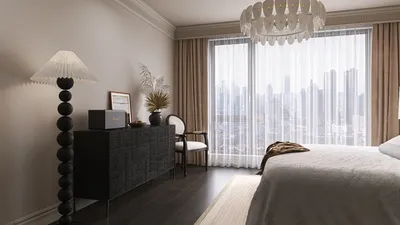
As a designer with over ten years of experience working with small apartments and cozy family homes, I've observed how contemporary interior design trends—such as adaptable multifunctional furniture, soothing micro-color palettes, and innovative lighting solutions—can radically transform the ambiance of compact spaces. Small environments often inspire the most ingenious solutions; I firmly believe that they can unlock a vast reservoir of creativity. In this article, I will present five practical decorating strategies for a small bedroom, combining my real-world experiences, budget considerations, and expert advice to guide you towards smarter design choices. If you're considering a focus on storage solutions, think about how Minimalist bedroom storage can significantly enhance the overall feel of your compact room.
Minimalist bedroom storage
My Insight
I typically kick off my small bedroom projects by streamlining storage solutions: ensuring a neat visual appeal while concealing functional elements behind closed doors. In one example, a 9 m² bedroom featured a low-profile built-in wardrobe and under-bed storage drawers that freed up wall space for artwork and illumination.
Advantages
Effective minimalist bedroom storage reduces clutter, creating an illusion of spaciousness; incorporating small bedroom storage options—such as built-in drawers or floating shelves—maximizes usable floor space. For those in search of budget-friendly decorating ideas for a small bedroom, modular storage systems provide versatility and the opportunity to evolve with your needs over time.
Disadvantages
Overemphasizing minimalism can sometimes lead to a sterile atmosphere if personal items are excessively removed. I've learned that striking a balance by including a few choice decorative elements can make a space feel more lived-in. Additionally, custom built-in solutions tend to have a higher initial cost compared to ready-made alternatives, but they frequently save time and hassle in the long run.
Recommendations / Financial Considerations
If you're budget-conscious, focus on concealed storage for clothing while ensuring visible areas reflect your personality. Consider shallow wardrobes with depths of around 40–50 cm and bed frames featuring integrated storage solutions; these options efficiently maximize your available space.
Soft, calming color palette
My Insight
I usually advise clients to select a soft and cohesive color palette that envelops the room—think gentle warm grays, pastel greens, or subdued blues. For instance, in a north-facing petite bedroom I designed, a light warm beige enhanced the limited natural light, fostering a tranquil setting.
Advantages
Soothing colors visually expand the space and enhance brightness—a straightforward yet effective decorating approach for small bedrooms. A harmonious palette allows the small bedroom's color schemes to appear as a unified, cohesive space rather than a disjointed assortment of competing elements.
Disadvantages
A potential drawback of excessive neutrality is that rooms can become uninteresting without the addition of textures. I have found success by incorporating tactile elements—like wool throws or linen curtains—or adding a singular accent to maintain engagement and a personal touch.
Recommendations / Evidence
Select a primary wall color along with two complementing shades for textiles and accent pieces. For optimal sleep comfort, the National Sleep Foundation suggests that a cool, dim, and uncluttered sleeping space promotes better rest (https://www.sleepfoundation.org). This is why I often recommend pairing soft tones with blackout curtains for small bedrooms that serve as peaceful retreats.
save pin
Multi-functional furniture and vertical thinking
My Insight
In spaces where floor real estate is at a premium, I often repurpose furniture to serve multiple functions: a desk doubling as a bedside table or a foldable vanity that stows away when not in use. In one studio renovation, I installed a wall-mounted fold-down table that transformed from workspace during the day to vanity by night.
Advantages
Utilizing multi-functional furniture paired with vertical storage techniques is essential in crafting small bedroom layouts—allowing a full range of living activities without overcrowding. Incorporating wall-mounted shelves, pegboards, and tall storage units maintains a clutter-free visual field while maximizing utility.
Disadvantages
Certain multi-purpose items can feel like compromises if they lack quality construction; for instance, a poorly built fold-away desk might sag and become frustrating to use. I always ensure to prototype or test mechanisms prior to finalizing a design solution.
Recommendations / Case Study
Be meticulous with measurements and consider verticality: a wardrobe that reaches the ceiling can offer 20-30% more storage capacity than a traditional mid-height option. If you require a quick upgrade, replace a bulky bedside table with a narrow floating shelf paired with a wall sconce for improved aesthetics.
save pin
Glass and reflective surfaces to boost light
My Insight
In compact bedrooms, optimizing natural light profoundly enhances the atmosphere. I've successfully used internal glass partitions and mirrored wardrobe doors in snug flats to extend sightlines and bring daylight deeper into the interior layout.
Advantages
Integrating glass panels and mirrored surfaces is among the most effective small bedroom decorating ideas, increasing perceived space and illuminating dark corners. This tactic works particularly well when the bedroom is adjacent to brighter living areas or when reflective surfaces are used to double the amount of natural light.
Disadvantages
Glass elements can compromise privacy or feel too sterile if not complemented by warm textures. In a home I renovated, I added a translucent roller blind to maintain privacy without sacrificing light flow. Moreover, mirrored surfaces require maintenance as fingerprints can easily show.
Recommendations / Budget Notes
Frosted or textured glass maintains privacy while allowing light to filter through, and mirrored sliding doors present a cost-effective method to visually open the space. If structural changes aren’t an option, placing a large mirror opposite a window and employing warm-toned lamps can help create a cozy atmosphere during the evenings.
save pin
L-shaped layout to maximize floor space
My Insight
Arranging furniture in an L-shaped configuration is a subtle yet effective strategy I use to define circulation and sleeping areas in small rooms. In a 10 m² layout, positioning the bed in a corner and lining storage along the adjacent wall liberated a central pathway, making the room appear less congested.
Advantages
An L-shaped arrangement to optimize floor space is a pragmatic design choice for small bedrooms—typically resulting in a continuous area of open floor, which visually enhances the usable space. This layout supports different zones (sleeping, dressing, working) without needing to erect additional walls, a significant advantage for compact apartments.
Disadvantages
Corner beds can feel cramped if there's insufficient headroom or wall space for decor and lighting; I usually opt for a slim night shelf and an adjustable wall lamp to prevent a claustrophobic sensation. Some furniture arrangements may not align with standard L-shape layouts, necessitating custom fitting.
Recommendations / Case Study / Cost
Consider sketching your design for the bed, a compact wardrobe, and a narrow desk in an L-shape to visualize before purchasing. Small adjustments—like moving the bed by 10 cm—can make a significant difference in circulation and contribute to a more spacious feel. If finances permit, integrating shallow custom joinery on one wall can create seamless storage without unnecessary bulk.
[Section: Internal Tools]
To visualize these concepts, I frequently create quick plans and 3D models so clients can understand the transformation before buying furniture. For example, utilizing realistic 3D rendering can aid in selecting finishes and comprehending light dynamics in small rooms; consider exploring a detailed case study or a 3D layout sample for clearer insight into your options: Glass panels to enhance light.
[Section: Summary]
Small bedrooms don't restrict design—they prompt smarter decisions. Practical decorating ideas for a small bedroom, such as minimalist storage, soothing color schemes, multi-purpose furniture, reflective surfaces, and L-shaped zoning, are strategies I implement in real-life projects to make compact spaces feel spacious and personalized. By combining these tactics and experimenting with various layouts, you'll discover that your small room can function even better than you envisioned. Which of these five ideas are you most eager to try in your own space?
save pin
FAQ
Q1: What are the most effective decorating ideas for a small bedroom on a tight budget?
A1: Focus on storage solutions and a fresh coat of paint—light, airy colors and organized surfaces create substantial visual impact with minimal costs. Replace bulky furniture with sleek, second-hand options and use textiles to introduce warmth without overspending.
Q2: How can I enhance the appearance of a small bedroom without major renovations?
A2: Implement cohesive light colors, a few mirrored elements, and vertical storage solutions to extend sightlines; keep floors as clear as possible and select scale-appropriate furniture. Even minor changes, such as wall-mounted lighting, can free up bedside space, creating an airier feel.
Q3: Are bold patterns unsuitable for small bedrooms?
A3: Not necessarily—a single bold accent wall or patterned fabric can inject personality without overwhelming the space. I suggest limiting bold patterns to a focal point while maintaining a calm surrounding palette to prevent visual clutter.
Q4: What lighting configurations work best for small bedrooms?
A4: Layered lighting is crucial: utilize ambient ceiling lights, task lighting for reading, and warm accent lamps for evenings. Adjustable wall lights and dimmers allow for mood control without contributing to floor clutter.
Q5: How do I select the appropriate bed size for a small bedroom?
A5: Begin with circulation needs: ensure at least 60–75 cm of walking space along primary routes. If a full-size bed restricts movement, consider a compact double or a storage-integrated bed to optimize functionality.
Q6: Can color and texture influence sleep quality in a small bedroom?
A6: Absolutely—soothing colors and soft textures foster a restful environment; research from the National Sleep Foundation reveals how the bedroom setup impacts sleep quality (https://www.sleepfoundation.org). Choosing breathable bedding and gentle window coverings can help minimize light and noise for restful sleep.
Q7: What are some effective space-saving furniture options specifically for small bedrooms?
A7: Look for beds with integrated drawers, wall-mounted desks, foldable vanities, and slim-profile wardrobes. Vertical shelving and built-in lighting also enhance functionality without occupying excess floor space.
Q8: How long does it typically take to redecorate a small bedroom?
A8: A simple update (paint, textiles, minor furniture changes) can take a weekend to a week. However, custom joinery or built-ins usually require a timeline of 2–6 weeks based on project scope and contractor availability.
Built on technology originally developed at Autodesk, Homestyler empowers anyone to design beautiful, realistic spaces in minutes. Join over 18 million users who have already discovered a smarter way to plan, visualize, and bring their dream homes to life — all from the comfort of a browser.
Discover your design potential with Homestyler! This user-friendly online platform offers an intuitive design tool, stunning 3D renderings, and a wealth of DIY video tutorials. Perfect for anyone looking to create beautiful spaces, Homestyler makes home design accessible and fun!
지금 무료로 디자인하세요
































