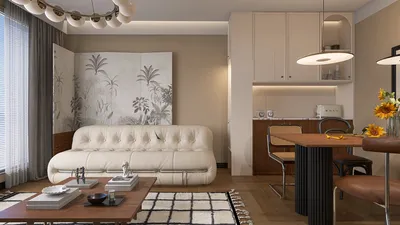


I once almost persuaded a client to transform their entire living room into a mahogany haven—until I caught myself in the midst of debating paint samples. This experience imparted a vital lesson: the perception of brown varies significantly with its undertone and lighting conditions. Particularly in smaller spaces, well-considered choices of brown can create an inviting, layered atmosphere rather than a claustrophobic one. In this article, I will present five practical inspirations for brown paint colors that I've effectively utilized in real projects, along with some minor trade-offs to keep in mind.
1. Warm Beige Brown — the cozy neutral
Warm beige-browns are my first choice when clients seek comfort without the overpowering effect of deeper browns. They complement natural wood floors and rattan beautifully, making them ideal for those who appreciate a lived-in aesthetic. The versatility is a key advantage, as this shade harmonizes wonderfully with both cool and warm accents. However, in north-facing rooms, it might appear flat unless textures, like a woven rug or velvet cushions, are introduced.
save pin
2. Cocoa Brown Accent Wall — depth without darkness
Applying a cocoa brown to a single accent wall injects drama while preserving an airy feel in the room. I executed this in a condo, creating a stunning focal point behind the media unit; the outcome was luxurious and grounded. This approach is budget-friendly and easy to repaint later, but be cautious to match trim and ceiling colors to avoid a boxed-in appearance.
save pin
3. Greige Brown — modern and versatile
Greige browns (a blend of gray and beige) are invaluable in modern designs that seek the warmth of brown with cooler undertones. I suggest testing samples at various times of the day, as greige can appear cooler under LED lighting. This color pairs seamlessly with metal finishes and minimalist furniture, but achieving the correct undertone for your lighting can be a challenge.
save pin
4. Chocolate Brown — rich and enveloping
Chocolate brown creates a dramatic ambiance, making it perfect for larger living rooms where intimacy is desired, such as a theater-like setup. I applied this hue in a townhouse lounge, and the room felt expertly curated. This color requires sufficient lighting and lighter textiles to prevent a cave-like atmosphere; it is best reserved for those committed to a warm, layered design.
save pin
5. Terracotta Brown — warm, earthy personality
Terracotta-leaning browns exude an earthy, sun-soaked feel, making them suitable for eclectic or Mediterranean aesthetics. I used this shade alongside plants and terracotta pots in a compact flat, and the space exuded vibrancy and grounding. While it adds liveliness without overwhelming the senses, it can clash with cool-toned furnishings unless balanced with warm woods.
save pin
Helpful tool for testing colors
When planning a color palette, I prefer to use a digital planner, such as Homestyler, which allows me to simulate the room with various brown tones without the hassle of numerous paint cans. This method has saved my clients and me from countless late-night repainting dilemmas. If you wish to experiment with layouts while selecting colors, utilizing a 3D floor planner can help visualize light and textures in context.
save pin
FAQ
Q1: What brown paint is best for small living rooms? A1: Lighter beige-browns or greige browns are ideal for making a small room feel open while maintaining warmth. Make sure to test samples on an entire wall to gauge the true effect.
Q2: How do I pick a brown undertone? A2: Observe the existing finishes—wood, metal, textiles—and select a brown with a complementary undertone. Warm woods work well with warm browns, whereas cool metals pair nicely with greige.
Q3: Will brown make my living room appear smaller? A3: Deeper browns can create that impression; however, using them as accents or balancing with lighter ceilings and trims can thwart a confined feel.
Q4: Which fabrics work best with brown walls? A4: Natural fabrics—such as linen, cotton, and wool—in creams, muted greens, or terracotta complement brown remarkably well.
Q5: Can I use brown with modern furniture? A5: Absolutely—greige and cocoa browns align exquisitely with modern shapes and metallic touches.
Q6: How should lighting influence my brown selection? A6: Natural light can either warm or mute brown tones; it’s advisable to test samples in both morning and evening light. For precise insight on lighting, consult with a lighting designer or check IES files from fixture manufacturers to understand lumen output.
Q7: Are there eco-friendly brown paints? A7: Yes—many brands offer low-VOC and zero-VOC paints in rich brown shades. Review product technical data sheets for eco-certifications.
Q8: Where can I visualize brown paints in 3D before making a purchase? A8: You can use online room planners, like Homestyler, to create models featuring colors and materials; there are even case studies demonstrating different brown schemes for inspiration and practical applications.
save pin
Discover your dream home design with Homestyler! This user-friendly platform offers a powerful online design tool, stunning 3D renderings, and a wealth of design projects. Plus, you can learn from engaging DIY video tutorials. Transform your space effortlessly and creatively!
Design Now for FREE
































