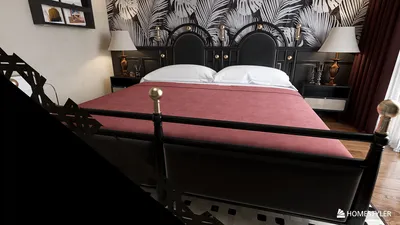


I once made the mistake of painting a tiny studio ceiling the same color as the walls because a client insisted it would create a "cozy" ambiance. Instead, it gave the room a cave-like feel — a tough lesson in the importance of color contrast. Since that experience, I have developed a passion for transforming the limitations of small spaces into exciting experiments, often utilizing interactive room mockups to visualize concepts before any paint hits the surface. In this article, I will share five practical paint inspirations with Behr that I frequently apply in real projects to enhance, illuminate, and streamline small areas while integrating tools like Homestyler for detailed planning.
1. Bold Accent Wall for Instant Depth
I prefer to apply a rich, deep Behr color on one far wall to draw the eye and give the illusion of a larger space. This approach offers dramatic results with minimal paint use, but it’s crucial to select a hue that won’t absorb all the light. Opt for warm or cool undertones aligned with your room's lighting. Budget-Friendly Tip: Select a premium eggshell finish for easier cleaning and touch-up in frequently used areas.
save pin
2. Two-Tone Walls to Create Visual Height
Applying a darker Behr shade to the bottom third of the walls and a lighter shade to the upper two-thirds tricks the eye into perceiving taller ceilings. This method is forgiving of imperfect wall lines and adds character without the expense of elaborate millwork. Preparation is essential — a clean tape line and consistent sheen are key to avoiding a DIY appearance.
save pin
3. Ceiling Color to Create Height (Yes, Really)
A soft, lightly tinted Behr color on the ceiling can make a room feel taller, while a bold choice adds dramatic flair in compact bedrooms. If you plan to test layouts and find balance before finalizing, consider using detailed floor diagrams with your ceiling color options to ensure furniture placement and sightlines align well with the paint. Keep in mind that ceilings can easily show roller marks, so use a quality nap and take your time with cutting in.
save pin
4. Refresh Cabinets: Affordable Kitchen Upgrade
Reviving base cabinets with a durable Behr cabinet or enamel sheen can breathe new life into a small kitchen for a fraction of the cost of new units. This method brightens the area and allows you to coordinate countertops or hardware later on. While the prep work, including proper sanding and priming, is essential, the results can be transformative and budget-friendly.
save pin
5. Multi-Functional Paint Walls — Washable, Magnetic, Chalkboard
In children’s play areas, using washable satin finishes from Behr, or experimenting with chalkboard paint for grocery lists are excellent options. You can also incorporate magnet strips over painted surfaces for organizational purposes. Such clever strategies help every wall in small homes serve a purpose. For kitchen planning, I often utilize kitchen layout examples to ensure the painted solutions support the overall workflow.
save pin
FAQ
Q1: Are Behr interior paints low-VOC?
A1: Many of Behr’s interior paint lines offer low-VOC and zero-VOC choices; always check the product label for VOC details and certifications that meet your sensitivity and air quality preferences.
Q2: Which Behr finish is best for small rooms?
A2: I often suggest eggshell or satin finishes — they better conceal imperfections than high-gloss yet are easier to maintain compared to flat finishes. Select a sheen that balances light reflection without emphasizing texture.
Q3: How much paint is required for a small bedroom?
A3: A small bedroom, typically ranging from 100 to 150 square feet, usually needs one to two gallons of paint for two coats, depending on the porosity and color contrast of the walls. It's wise to purchase a little extra for touch-ups.
Q4: Can I paint kitchen cabinets myself with Behr?
A4: Yes, with adequate preparation: ensure surfaces are degreased, sanded, and primed with a bonding primer before using a durable enamel or cabinet-specific paint. Take your time during the curing process for a longer-lasting finish.
Q5: Could a dark accent wall make a small room feel cramped?
A5: Not necessarily — if designed thoughtfully and balanced with lighter walls and reflective surfaces, a dark accent can provide depth rather than a claustrophobic effect.
Q6: How do I choose the right undertone?
A6: Test sample pots on various walls, observe colors in different lighting conditions, and compare them against fabrics and flooring; undertones reveal themselves distinctly in natural light.
Q7: Are there any health concerns related to indoor painting?
A7: It’s advisable to use low- or zero-VOC paints and ensure proper ventilation during painting and drying. For official guidance on indoor air quality, refer to the U.S. EPA’s resources at https://www.epa.gov/indoor-air-quality-iaq.
Q8: How do I maintain painted surfaces in small homes?
A8: Clean washable finishes with mild detergent, keep touch-up paint available, and quickly address any scuffs — even small repairs can keep a compact home looking neat without full repaints.
Homestyler is your go-to online home design platform! With its user-friendly design tool, stunning 3D renderings, a vast array of design projects, and helpful DIY video tutorials, you'll easily transform your home into a masterpiece. Start designing today and unleash your creativity!
Дизайн сейчас бесплатно
































