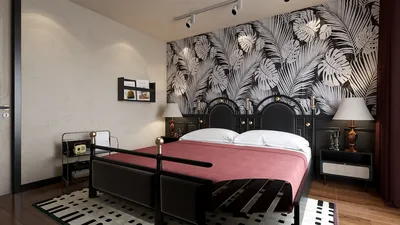



I once took on the challenge of fitting a complete work setup into a 2.5-meter-wide bedroom, as my client envisioned a king-size bed along with a functional office space. It was a tough lesson to learn that a desk can’t replace a bedside table, but creatively planning the bedroom layout can help avoid such predicaments. Utilizing tools like Homestyler can make this design process smoother and more effective.
Small spaces can inspire innovative solutions, and in this article, I’ll present five practical desk ideas for bedrooms that I’ve successfully implemented in various projects. Each suggestion keeps budget considerations in mind while being realistic about the necessary trade-offs for smaller rooms.
1. Floating wall desk with shelves
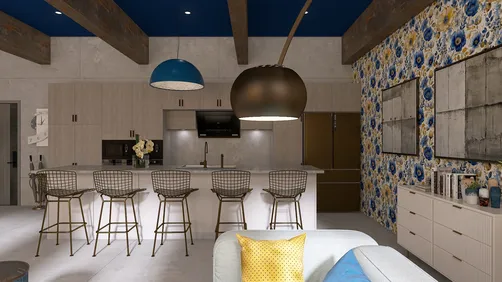
I’m a big fan of floating desks because they create an airy feel and keep the floor area open, which is perfect for narrow rooms. They are affordable to construct and can easily be painted to blend with your wall color. By adding shelves above, you can maximize vertical storage space. However, ensure you use solid wall fittings and a well-planned cable organization system. Tools like Homestyler can assist in visualizing this setup.
save pin
2. Bedside desk nook
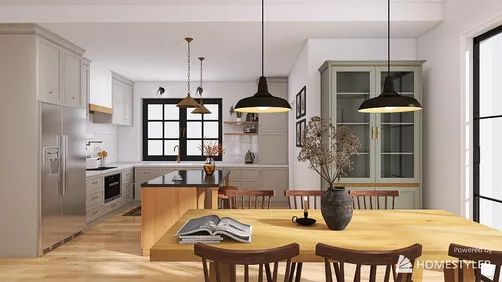
Transform your bedside into a compact workspace by using a shallow desk that matches the mattress height; this way, it can serve as both a nightstand and a work area. This arrangement offers great convenience and reduces furniture costs, though you’ll need strong discipline to separate work from rest. I recommend using a warm light lamp to create a conducive atmosphere for nighttime.
save pin
3. Fold-down Murphy desk
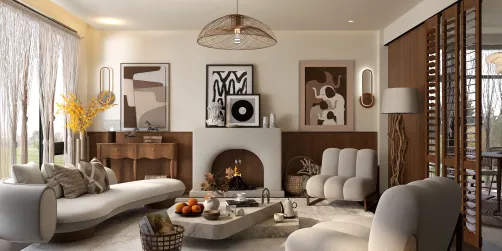
For those who need to clear the workspace when guests come over, a fold-down wall desk is an excellent choice. I’ve set up versions that fold into a narrow cabinet with built-in organizers, giving you privacy and reclaiming the room instantly. While it may cost a bit more than a basic table and requires good quality hinges, many clients find it to be a worthwhile investment for regaining valuable floor space. Utilizing Homestyler can help visualize this setup before installation.
To ensure the desk fits well before making a decision, I often advise clients to envision the desk in 3D, which allows us to adjust the height and flow beforehand.
save pin
4. Corner L-shaped mini desk
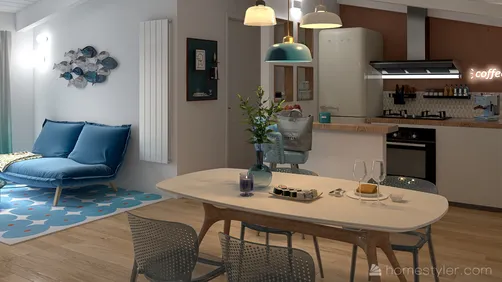
Corners often go unused; a compact L-shaped desk can create a distinct workspace without obstructing pathways. This design is particularly useful if you desire a multi-functional surface for activities like sewing or using a laptop. You can create one using economical pre-made tops. However, be aware that this style may reduce legroom compared to single-surface desks, so consider using drawerless designs for more comfort.
save pin
5. Window-seat desk hybrid
If the bed is positioned away from the window, consider replacing the window sill with a narrow desk and cushioned bench. This arrangement creates a cozy and well-lit workspace. While it does require more carpentry work and might pose privacy concerns if the window faces a busy street, it results in a stunning corner filled with natural light—ideal for focused tasks. Planning in 3D using Homestyler can provide a detailed preview of how to harmonize the desk and bench with the bed and wardrobe.
save pin
FAQ
Q1: What size desk is suitable for a small bedroom?
For a single-person workstation in a compact bedroom, I generally recommend a desk that is about 80–100 cm wide and 40–60 cm deep. It's essential to measure circulation areas (at least 60 cm) to ensure doors and drawers can operate without obstruction.
Q2: Are wall-mounted desks sturdy enough for monitors?
Yes! If properly reinforced with brackets and anchored into studs—or using the appropriate drywall anchors—wall-mounted desks can support the weight of monitors. For setups with dual monitors, select brackets designed for heavier loads or consider a compact free-standing table.
Q3: How can I stop work from affecting my sleep in the bedroom?
To keep your workspace visually separate from your sleeping area, consider using a screen, distinct lighting, and storing work items away at night. The National Sleep Foundation suggests minimizing work-related activities in the bedroom to enhance sleep quality (https://www.sleepfoundation.org/).
Q4: Is it possible to fit a desk in a narrow bedroom?
Absolutely! Floating desks, slim profiles, and corner solutions are all viable options. If you need to choose, focus on depth over width: a shallow desk can fit a laptop and lamp comfortably while maintaining space.
Q5: What’s the most cost-effective method to create a desk space?
Consider using an IKEA tabletop or reclaimed wood supported by simple brackets, paired with a basic chair and organized with wall shelves. This approach keeps expenses low while still offering a customized appearance if you paint it to match your room.
Q6: How can I manage cables in a small bedroom desk?
Utilize a power strip mounted underneath the desk, adhesive cable channels, and a compact laptop docking station. Organizing and labeling cables can help reduce visual clutter and tangling.
Q7: Is a standing desk practical in a tiny bedroom?
A sit-stand converter can be added to most slim desks, offering ergonomic variety without the need for a complete replacement. Just be sure to check weight limits and ensure there’s enough clearance above the desk for monitors.
Q8: Where can I find layout assistance for a bedroom desk?
For quick layout insights or to test different desk placements in your room, I suggest using an online room planning tool like Homestyler to experiment with arrangements before purchasing furniture.
save pin
Built on technology originally developed at Autodesk, Homestyler empowers anyone to design beautiful, realistic spaces in minutes. Join over 20+ million registered users (platform data, 2026) who have already discovered a smarter way to plan, visualize, and bring their dream homes to life — all from the comfort of a browser.
Homestyler is your go-to online home design platform! With its user-friendly design tool, stunning 3D renderings, and a wealth of DIY video tutorials, you can easily create and visualize your dream spaces. Transform your home design journey with Homestyler today!
Design Now for FREE