

I have organized numerous private-room birthday parties in various venues like restaurants, boutique hotels, and exclusive clubs. One principle remains consistent: an unforgettable celebration begins with smart space planning. Before selecting decorations like a cake stand, I analyze guest movement, interaction, and seating arrangements—because the flow significantly influences comfort and energy. Supporting this approach, Gensler’s Workplace Survey indicates that environments designed for social connection enhance perceived quality and satisfaction (Gensler Research Institute). Furthermore, the WELL v2 framework underscores the importance of acoustic comfort and lighting quality on overall well-being and mood, affecting the vibrancy or relaxation of your event (WELL v2—Lighting and Sound Concepts).
Lighting is my primary consideration. According to the Illuminating Engineering Society, casual dining spaces should have 100–300 lux, paired with warmer color temperatures (2700–3000K) that foster relaxation and connection. During the private dinner before the cake-cutting, I aim for 150–200 lux, transitioning to around 100 lux during speeches through the use of candlelight or dimmable sconces. The desired auditory environment favors clear dialogue within 1–2 meters without loud voices; consequently, incorporating sound-absorbing materials and soft finishes helps maintain ambient noise at approximately 55 dBA. These strategies are not merely personal preferences—both IES lighting recommendations and WELL v2 acoustic guidelines demonstrate correlations with improved mood, reduced stress, and enhanced social experiences.
Here’s the comprehensive plan I follow to create a sophisticated yet effortless private-room birthday party, whether it’s an intimate gathering for eight or a lively cocktail event for thirty.
Define the Celebration Intent
I always begin by establishing the event's purpose: will it be a formal dinner with toasts, an engaging games night, or a musically vibrant cocktail gathering? This intent informs the layout, lighting, and acoustic choices. For seated events, I prioritize clear sightlines and table arrangements that facilitate smooth conversation. In a mingling scenario, I design micro-zones such as a welcome area, drinks station, conversational nooks, and a photo setup. Should you be designing the space yourself, utilizing a room layout tool like Homestyler can save you valuable time by allowing you to experiment with table shapes and circulation routes before the event day.
Choose a Room with the Right Proportions and Acoustics
The volume and material properties of a space are more critical than mere square footage. A slightly snug room feels vibrant, while an excessively large one may seem empty. The most comfortable ceiling height for an intimate atmosphere is around 2.7–3.2 m (9–10.5 ft); if the ceiling is higher, I lower the visual plane with pendant clusters or tall floral arrangements. Opt for soft materials—such as upholstery, curtains, and rugs—for acoustics, avoiding hard, flat walls without any treatments. If you encounter a bright, expansive space, consider introducing table runners, fabric backdrops, and greenery to absorb sound reflections.
Seat for Conversation, Not Symmetry
For groups of eight to twelve people, a round or racetrack oval table places guests within a comfortable speaking range while facilitating easy eye contact. For larger gatherings, two parallel tables arranged with a central aisle ensure smooth circulation and uninterrupted service. I avoid seating the guest of honor at the end; instead, positioning them slightly off-center encourages conversations across the table. Maintain a width of 90–105 cm (36–42 in) between the table edge and walls to enable guests and servers to navigate through comfortably.
Light for Mood and Moments
I develop lighting in three distinct phases: the arrival phase (bright enough for facial recognition at ~200 lux), the dining phase (dimmed to ~150 lux with warm white light 2700–3000K), and the ceremony phase (focused lighting on the cake or speech area while the room’s ambiance transitions to ~100 lux). Dimmable table lamps or candles can be used to create a low-glare environment, while I manage harsh overhead lights to prevent shadows on faces. If the venue offers tunable white light, I adjust it cooler during setup and warmer for dining to signal relaxation. I also adhere to IES glare control principles—opaque shades, low-brightness surfaces, and indirect bounce.
Design a Natural Circulation Loop
Guests should intuitively understand where to go. I place the greeting space near the entrance, position the bar diagonally across to encourage flow into the room, and arrange food service along a long wall to avoid disrupting the gathering. The photo area is optimally situated opposite the bar to balance traffic. If experimenting with several layouts, employing an interior layout planner like Homestyler can assist in visualizing traffic flow and making necessary adjustments prior to finalizing the setup.
Curate Sound, Don’t Just Play Music
The ambient music volume should ideally be around 55 dBA to allow for clear conversation. I prefer not to install speakers in corners where they may amplify bass; instead, I utilize two smaller speakers positioned at ear level, ensuring sound clarity over sheer power. If speeches are part of the evening, testing a handheld microphone ahead of time is essential to ensure clear audio without interference from HVAC noise. Implementing rugs, upholstered seating, and fabric backdrops behind speakers enhances clarity more effectively than sound equalization adjustments.
Color Psychology and Styling
The colors used and their temperature can significantly affect social interactions. Warmer tones (such as terracotta, blush, and amber) combined with warm white lighting promote longer retention of guests and a comforting atmosphere, as suggested by color psychology. I incorporate one striking accent color in floral arrangements or menu design and balance the room's aesthetics with neutral linens and matte finishes to reduce glare. Metallic elements (like brass and soft gold) provide a celebratory touch without overwhelming the design. For daylight events, I favor lighter tableware and soft greens, while evening events can benefit from deeper tones complemented by candlelight.
Human-Centered Tabletop and Ergonomics
Comfort is an often-overlooked aspect of design. I allocate 60–65 cm (24–26 in) of table width per individual for cutlery and elbow space. Chairs should be equipped with lumbar support and have a seat height of about 45–48 cm (18–19 in). For shared dishes, I keep centerpieces under 18–20 cm (7–8 in) tall or use slender, vertical arrangements to maintain clear sightlines for conversation. If serving a tasting menu, I make sure to allow at least 25–30 cm (10–12 in) of personal space for each setting.
Menu and Service Rhythm
I synchronize the service with the event’s narrative: welcome drinks and bites upon arrival, a seated first course within 20–30 minutes, followed by a toast, and then the main course. Dessert can be plated or served from a station, depending on the number of guests. For gatherings of twenty or more, presenting the cake at a station along with roaming petit fours can reduce wait times. It's crucial to confirm dietary restrictions a week in advance and label everything clearly to mitigate social tension.
Cake Moment and Photo Readiness
I plan the focal point ahead of time, ensuring there’s a clean backdrop, access to power for spotlighting if necessary, and a stable surface about 90 cm (36 in) high for cake-cutting photos. I pre-light candles, cue down the music, and dim the room. I also keep a small emergency kit containing long matches, a lighter, cake knife, extra plates, and a microfiber cloth handy to quickly tidy surfaces between photos.
Timeline and Vendor Checklist
- 3–4 weeks before: secure the room booking, confirm capacity, test layout options, and discuss audio-visual and lighting controls.
- 2 weeks before: finalize the menu, dietary needs, and detail important celebration elements (speeches, slideshows).
- 1 week before: create a seating chart, print menus/place cards, and confirm floral arrangements and candle quantities.
- Day of the event: conduct a walk-through, program the lighting scenes, set music levels, test microphones, ensure the cake is delivered and stored, and brief the service team on timings.
Sustainability Without Sacrificing Style
I opt for reusable linens, real glassware, and seasonal flowers to minimize environmental impact and costs. Candles made from natural wax and low-soot wicks maintain good air quality. For gifts, I prefer edible or plantable favors to further reduce waste. It’s best to choose durable decorations that can be reused—such as cloth napkins in versatile colors and ceramic vases, which will provide value over multiple events.
Budget Allocation That Actually Shows
The bulk of the perceived quality often arises from lighting, floral designs, and table settings. My budget allocation generally includes: 30–35% for food and beverages (excluding venue minimums), 15–20% for lighting and candles, 15% for florals/decor, 10% for photography, 10% for music and AV, and the remainder for contingencies. If the venue showcases inherent beauty, focus on enhancing the menu and music; if it’s a blank canvas, prioritize spending on ambient lighting first.
Data-Backed Priorities
- Lighting and acoustics: insights backed by WELL v2 standards that link visual and acoustic comfort with occupant well-being.
- Social layout: consistent findings from Gensler research show that effectively designed social zones result in greater satisfaction and improved experiences.
- Ambient lighting targets: according to IES standards, practical dining-level guidance recommends maintaining 100–300 lux for comfort and visibility.
FAQ
Q1: What’s the ideal capacity for a private dining room?
A1: As a general guideline, allocate approximately 60–65 cm (24–26 in) of table space per person for seated dinners. For standing cocktail events, allow for 0.6–0.8 m² (6–9 ft²) per guest, taking into account furniture and stations.
Q2: What lighting specifications should I request from the venue?
A2: Aim for dimmable warm white lighting (2700–3000K) with layered sources—such as pendants, wall sconces, and candles. Target around ~200 lux for guest arrivals, ~150 lux for dining, and approximately ~100 lux for the cake presentation. Be sure to ask for independent control of each lighting zone to minimize glare.
Q3: How can I reduce noise levels in a lively setting?
A3: Incorporate sound-absorbing materials such as tablecloths, runners, curtains, and upholstered furniture. Maintain music levels at around 55 dBA and ensure smaller speakers are evenly distributed. Position speeches in front of soft backdrops to enhance clarity.
Q4: Which table configuration is best for birthday parties—round or long tables?
A4: Round tables are ideal for 6–10 guests, fostering inclusion in conversation. For twelve or more attendees, I prefer two parallel rectangular tables to shorten the distance between guests and facilitate service. Avoid excessively long communal tables unless the room's width allows for circulation on both sides.
Q5: Do you have tips for creating photo-friendly decor?
A5: Utilize matte finishes, warm illumination, and keep centerpieces below 20 cm (8 in) tall. Establish a dedicated backdrop with a clean wall or drapery, and ensure the cake area is positioned at roughly 90 cm (36 in) for ideal photo angles.
Q6: How early should I make a reservation?
A6: For peak weekends, book 4–6 weeks in advance for smaller rooms and 6–10 weeks for larger spaces. Events rich in audiovisual components (like slideshows or live music) should be secured even earlier.
Q7: How should I budget my expenses?
A7: If the venue has unique character, allocate more towards the menu and music. Conversely, if it lacks charm, prioritize investments in lighting and floral designs. A balanced budget breakdown might be: 30–35% for food and beverages (beyond minimums), 15–20% for lighting and candles, 15% for florals, 10% for photography, 10% for AV/music, and 10% for contingency.
Q8: What’s the best way to accommodate mixed dietary preferences?
A8: Confirm dietary requirements a week in advance, label food items clearly, and design a menu with at least half of the offerings that are naturally inclusive (gluten-free or vegetarian). Opting for stationed desserts or petit fours can also alleviate serving delays.
Q9: What musical style should I use?
A9: Begin with lighter, mid-tempo tracks during arrivals, transition to warm, vocal-focused selections for dining, and slightly increase the tempo after dessert. Keep bass levels moderate to promote conversation clarity.
Q10: Are there low-cost enhancements with significant impact?
A10: Using clusters of candles, dimmable table lights, fabric runners, a monochromatic floral palette, and printed menus can enhance the overall ambiance without significant expense. Quality lighting often has a more substantial effect than heavy spending on decor.
Q11: How can I plan toasts efficiently without hampering service?
A11: Schedule toasts between courses and notify the kitchen to ease service temporarily. Lower background music levels by 6–8 dB and focus light on the speaker or cake area.
Q12: What’s the best timeline for the evening’s events?
A12: From 0:00 arrivals and drinks, to 0:20 for the first course, 0:45 for the toast, 1:00 for mains, 1:40 for the cake moment, and 2:00 for open mingling or photo opportunities. Adjust the timeline based on guest numbers and service style.

Minimalist Solid Wood Linen Fabric Three Seat Sofa 3D Model
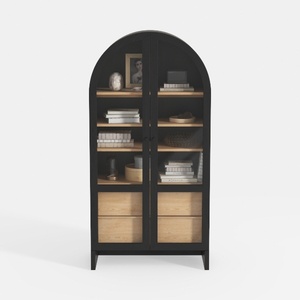
Minimalist Black Oak Arched Glass Display Cabinet 3D Model
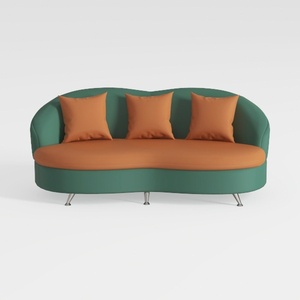

Modern Two Tone Fabric Curved Sofa With Throw Pillows 3D Model
Homestyler is your go-to online home design platform! With an easy-to-use design tool, stunning 3D renderings, and a wealth of DIY video tutorials, you can effortlessly transform your home ideas into reality. Explore exciting design projects and unleash your creativity today!
지금 무료로 디자인하세요
































