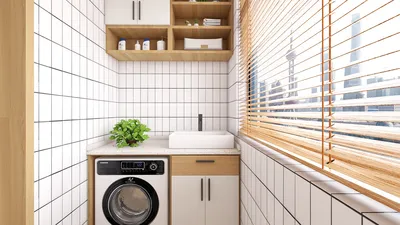


Direct Answer
Pink and purple influence interior spaces uniquely. Pink typically brings warmth, openness, and comfort, while purple adds depth, creativity, and a luxurious feel. These colors affect a room’s emotional tone, how light interacts with surfaces, and whether the space feels more expansive or cozy.
Quick Takeaways
Introduction
When clients inquire about pink versus purple for interiors, they're often exploring how these hues impact the everyday feel of a space rather than just personal preference. With over ten years designing homes, I’ve witnessed beautiful interiors fail due to misunderstanding color’s emotional influence.
Though pink and purple share a color family, their effects on walls, fabrics, and lighting differ significantly. Pink generally expands spaces visually and emotionally, whereas deeper purples slightly compress room dimensions while enriching ambiance.
During initial design phases, I use digital tools like Homestyler to create multiple layouts and color palettes, enabling clients to visualize color and spatial harmony. Such visualizations demonstrate how concepts evolve from floor plans to complete interiors.
This article explores how pink and purple affect mood, lighting responses, spatial perception, and the design styles where each color excels.
Psychological Effects of Pink in Interior Spaces
Key Insight: Pink fosters warmth and relaxation, making it ideal for bedrooms, lounges, and wellness areas.
Studies link pink with calm and emotional ease. Designers often apply it to soften stark architectural lines or to balance minimalistic spaces.
From my perspective, muted and dusty pink shades outperform vibrant bubblegum tones, offering even light diffusion and reducing eye strain.
Where pink thrives:
A typical error is combining pink with overly shiny materials. Instead, matte plaster, linen fabrics, and pale wood establish a more harmonious setting.
Psychological Effects of Purple in Interior Spaces
Key Insight: Purple introduces richness and creative energy but requires careful use to avoid overwhelming a space.
Historically symbolizing luxury, purple signals bold personality in interiors. Darker purples absorb more light than pink, shifting a room's mood significantly.
Designers categorize purple into three main uses:
Dark purple walls can cause saturation fatigue, especially in smaller homes. I recommend applying purple to accent walls, furniture, or cabinetry rather than covering entire rooms.
How Lighting Interacts With Pink vs Purple Walls
Key Insight: Pink reflects and diffuses light softly, while purple absorbs light creating stronger contrasts.
Once light fixtures are installed, these effects become clear. The same lamp can evoke vastly different ambiances depending on wall coloration.
Lighting behavior contrast:
I often simulate daylight and evening schemes using 3D floor planning tools like Homestyler. Visualizing light interaction early aids in avoiding costly repaint jobs.
Spatial Perception: Which Color Makes Rooms Feel Larger?
Key Insight: Pink generally makes spaces feel airier, whereas deep purples visually diminish room size.
Light colors reflect more light, allowing soft pinks to visually enlarge small or narrow rooms.
Purple’s effect varies by shade:
Designers frequently blend these colors strategically. For instance:
In smaller homes, both layout and color matter. Digital planning tools like Homestyler empower homeowners to test layouts and color schemes before renovations, demonstrating the combined impact of circulation and palette.
Best Design Styles for Pink Interiors
Key Insight: Pink suits modern, Scandinavian, and soft minimalistic interiors well.
Dusty rose, blush, and terracotta pinks have become favored choices, replacing excessively sweet pastels.
Pink works best with textured neutrals like stone, linen, and oak—these combinations keep designs elegant rather than decorative.
Best Design Styles for Purple Interiors
Key Insight: Purple shines in bold, layered designs where texture and contrast are celebrated.
While pink is subtle and blends effortlessly with minimalism, purple adds personality and drama to spaces that embrace strong character.
Great pairings for purple interiors include:
To balance its intensity, I combine purple with reflective elements such as brass, glass, or marble that bounce light back into rooms.
Answer Box
Generally, pink creates brighter and more soothing rooms that feel open, while purple offers depth and intrigue but demands balanced lighting to avoid shrinking perception.
Final Summary
FAQ
Is pink or purple better for a bedroom?
Pink tends to be better for bedrooms due to its calming qualities and gentle light reflections. Lavender tones of purple can also foster relaxation.
Does pink make a room look bigger?
Absolutely. Light pinks reflect more light, making walls seem further apart and thus enlarging small rooms visually.
Do purple walls make a room darker?
Yes, dark purples absorb more light than pink, which can darken a space unless lighting is thoughtfully designed.
Can pink and purple be used together in interior design?
Certainly. Combinations like dusty pink paired with plum or lavender create contrast while staying harmonious within the same color family.
Which color is more modern, pink or purple?
Muted pinks dominate modern minimalist interiors, whereas purple is favored in expressive, luxurious environments.
What lighting works best with purple interiors?
Layered lighting, including wall sconces, floor lamps, and warm ambient sources, helps prevent purples from feeling too dark.
What is the biggest mistake when using pink in interiors?
Using overly bright, glossy pinks can make interiors feel artificial rather than warm and sophisticated.
What is the safest purple shade for beginners?
Lavender and soft violet tones are beginner-friendly as they maintain brightness without overpowering the room.
Meta TDK
Meta Title: Pink vs Purple in Interior Design: Mood, Lighting, and Spatial Effects
Meta Description: Explore the differences between pink and purple in interior design, including their impact on mood, lighting, and spatial perception to help select the perfect palette.
Meta Keywords: pink vs purple interior design, color psychology pink purple, pink or purple walls, room aesthetics pink purple
Homestyler's roots trace back to Autodesk, the global leader in design and engineering software. That heritage lives on in every feature we build. Today, with a community of more than 18 million users worldwide, Homestyler continues to make professional-quality interior design accessible to everyone — from first-time decorators to seasoned architects.
Minimalist Nordic Dutch Townhouse Decorative Bookshelf 3D Model


Pink Velvet Cute Cartoon Headboard Upholstered Bed 3D Model

Modern Pink White Gold Accent Two Drawer Nightstand 3D Model
Homestyler is a fantastic online home design platform that lets you easily create and visualize your dream space. With powerful 3D rendering, inspiring design projects, and helpful video tutorials, it's perfect for anyone looking to decorate or remodel their home with confidence.
Design Now for FREE
































