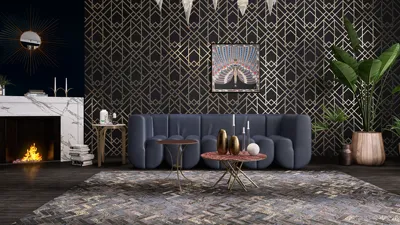


There was a time when I improperly installed a picture light upside down on a client's gallery wall, which made it appear as though a small spaceship had landed over the artwork. This caused quite a laugh as we corrected the bulb, and it imparted an important lesson: illuminating pictures requires a blend of precision and personal touch. In compact areas, every detail becomes crucial, and effective picture lighting can elevate a mundane corner into something that looks museum-quality.
1. Classic Picture Lights
I have always appreciated traditional picture lights for their enduring aesthetic and focused lighting capabilities. They are installed above the frame, providing a warm glow across the artwork, making them ideal for oil paintings or framed photographs. The advantage of picture lights includes their elegant direct illumination and streamlined design; however, precise placement is necessary, and some models require hardwiring — a plug-in version could be a practical alternative for renters or those seeking less hassle.
save pin
2. Adjustable Wall Sconces
For greater versatility, adjustable wall sconces with swing arms are a fantastic choice. I incorporated these in a narrow hallway gallery, and clients enjoyed the ability to direct the light towards each artwork. Their benefits include adjustable beam angles and enhanced coverage for grouped frames. The potential drawback is the need to select sconces that provide effective light control to prevent glare on glass-covered artwork.
save pin
3. Slim LED Bars
Slim LED picture bars emerge as my preferred option when energy efficiency and low heat are essential, particularly for delicate prints or fabrics. They yield evenly distributed lighting and are available in both rechargeable and wired options. With a minimal and modern aesthetic, these bars occasionally require careful installation to ensure even light spread across the artwork.
save pin
4. Track Lighting with Adjustable Heads
When it's necessary to spotlight several pieces using a single system, a compact track with adjustable accent heads shines as an excellent solution. I utilized a mini track system in a living room to coordinate various pieces, and it was impressive how simply repositioning the heads shifted the visual emphasis. This system offers flexibility and the ability to highlight multiple works, albeit it may present a more industrial style, which might not fit every interior design.
save pin
5. Picture Lights Featuring CRI-90 LEDs
If accurate color representation is crucial (which it often is), opt for lighting fixtures with CRI 90+ LEDs — they beautifully render colors, allowing artwork to truly shine. I installed these in a small studio where achieving color precision was vital for the client’s prints. Although they tend to be slightly more expensive, the investment is worthwhile for artists or anyone desiring authentic color display. Dimmable versions can also enhance mood control.
Tip: In compact rooms, ensure fixtures are slim and proportionate to the frame. I often create a paper template on the wall to visualize placement before making any permanent installations — an easy, regret-free planning method.
save pin
Tips 1:
To streamline planning and visualization, consider using an online room planner like Homestyler to see how different light placements will affect your wall art. This saves time and helps you avoid situations reminiscent of that upside-down spaceship incident.
save pin
FAQ
Q: At what height should picture lights be installed?
A: As a general guideline, position the light fixture 6-12 inches above the top of the frame, considering the size of the fixture; test with a temporary clamp or paper template to ensure proper coverage.
Q: Are plug-in picture lights comparable to hardwired options?
A: Plug-in versions are perfect for flexibility and ideal for rental spaces; while they may not appear as seamless, they offer straightforward installation without the need for an electrician.
Q: What is the best color temperature for artwork?
A: A warmer temperature of 2700K-3000K complements warm-toned art; conversely, 3000K-3500K serves as a neutral choice suitable for mixed collections.
Q: How significant is CRI for picture lighting?
A: Extremely significant — select CRI 90+ LEDs for true color representation, crucial for paintings and professional prints. Source: Illuminating Engineering Society (IES) guidelines.
Q: Can smart bulbs be used in picture lighting?
A: Absolutely — smart bulbs provide dimming and color temperature adjustments, but make sure the fixture accommodates the bulb size and heat limitations.
Q: How can I prevent glare on glass-covered artwork?
A: Angle the light slightly downward and choose diffused fixtures or LED bars; position the bulb to minimize reflections viewed from typical angles.
Q: Are LEDs safe for fragile artwork?
A: LEDs generate minimal UV radiation and heat compared to older bulbs, making them a safer option for sensitive pieces over time.
Q: Do picture lights require professional installation?
A: Basic plug-in or rechargeable options are user-friendly for DIY tasks; however, hardwired systems or track setups might benefit from professional assistance for optimal installation and wiring safety.
save pin
Homestyler is your go-to online home design platform! With its user-friendly design tool, stunning 3D renderings, and a wealth of DIY video tutorials, you can transform your ideas into reality effortlessly. Start creating your dream space today!
Diseño ahora GRATIS
































