

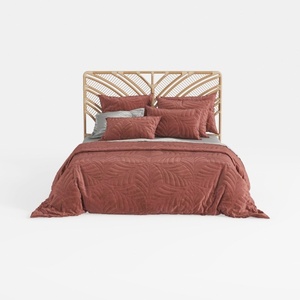
Peach offers a subtle radiance that enhances various skin tones, smooths out edges, and sets a serene, uplifting atmosphere. Utilizing this color in a bedroom creates a fresh vibe without crossing into overly sweet territory. When applied correctly, peach appears warm and airy during the day and transforms into a comforting cocoon at night—ideal for relaxing or waking up feeling rejuvenated.
Research in color psychology indicates that warm, soft shades can alleviate stress and foster a sense of comfort, especially in spaces aimed at restoration. According to Verywell Mind, soft oranges and peach hues radiate warmth and enthusiasm without the overpowering nature of bright orange, making them perfect for living and sleeping areas where tranquility is essential. To achieve an ideal lighting level, maintain illuminance around 100–300 lux in bedrooms for ambient tasks, increasing to 300–500 lux in dressing areas; these levels conform to established IES interior lighting standards and ensure a consistent appearance of peach on walls. Additionally, WELL v2 guidelines highlight the importance of glare control and adjustable lighting for maintaining circadian health—both key when working with light-reflective warmer paints, such as those found in the Homestyler interior design tool.
Select Your Peach: Hue, Saturation, and Finish
Begin by exploring three variations: blush-peach (slightly pink), apricot-peach (balanced), and terracotta-peach (earthy). In smaller spaces, a desaturated apricot-peach in eggshell finish keeps the area airy while concealing minor imperfections. In rooms flooded with daylight, blush-peach exudes elegance and openness. For textured surfaces, matte finishes help eliminate highlights, while eggshell is preferable in areas where cleanliness matters, such as around headboards. If your room receives north light (cooler), opt for warmer tones like apricot; conversely, for south-facing light (warmer), use blush-peach to maintain a balanced appearance.
Adjusting Color with Illumination
The temperature of light can dramatically affect the perception of peach. Opt for warm white lighting in the 2700–3000K range for ambient illumination, while ensuring the Color Rendering Index (CRI) is at least 90 to maintain the integrity of peach tones and the natural appearance of skin tones. Layer your lighting: incorporate soft cove or flush mount fixtures for ambient light, bedside lamps for reading, and minimal accent lighting to highlight artwork or shelves. Mitigate glare by employing opal diffusers and indirect lighting; WELL v2 stresses the importance of minimizing discomfort glare for visual comfort. Always reassess how peach-painted walls appear at night when changing bulbs—cool LED lighting can alter peach into beige or grey shades.
Peach + Neutrals: A Timeless Combination
To maintain a modern feel in the bedroom, pair peach with bone white, warm gray, and light natural wood materials. A touch of coolness can be introduced with a single contrasting color such as sage or muted olive, which can help soften the warm tones. The choice of textiles is crucial; utilize stonewashed linen in oatmeal, boucle in ivory, and dense cotton in warm gray for a tactile balance. Avoid stark, blue-white trims paired with peach, as they may give the walls an overly orange look. Instead, soft white trims infused with a gentle warmth frame the peach gracefully.
Feature Wall or Entire Room?
Choosing to paint the headboard wall in peach creates a focal point and evokes a sunrise effect. If your space is narrow, consider painting adjacent walls in lighter neutral shades to prevent a tunnel effect. In square areas, painting all walls in a lighter peach tone fosters a cohesive feel. For rental spaces, consider peach on the upper half of walls with a crisp chair rail below; this approach introduces color while allowing for easy repaints in the future.
While determining bed placement, ensure clearance of 24–30 inches on each side for comfort. If you wish to experiment with furniture arrangements prior to painting, utilizing a layout simulation tool helps visualize scale and sightlines effectively, especially with tools like Homestyler.
Ceilings, Trim, and the Overhead Space
Painting the ceiling peach can create an enchanting effect if saturation is reduced by 30–50% from the walls. In spaces with low ceilings, keep the ceiling lighter and more matte to avoid a cramped appearance. For trim, select a soft white with warm undertones to eschew harsh contrasts. If you prefer a boutique-hotel ambiance, opt for slightly deeper terracotta-peach on doors and coordinate the hardware with aged brass for added warmth.
Texture Combinations That Enrich Peach
The materiality of a space solidifies the color palette. Wood tones like oak, ash, or beech pair beautifully with peach. Introducing a woven jute or wool rug brings earthy textures, nicely complemented by a sateen duvet that softly catches light. Use metals with minimal sheen, such as brushed brass or bronzed iron, to ground the color scheme and reduce glare. In warmer climates, consider cooler textures like linen or rattan to balance thermal comfort.
Patterns and Art
Peach harmonizes well with abstract line art (in black or charcoal) and botanical prints featuring muted greens. For wallpaper, opt for micro-patterns (1–2mm scale) in off-white and peach within a single accent area to prevent visual overload. Choose simple frames—black, walnut, or thin brass—to avoid competing colors.
Ergonomics and User-Friendliness
Creating a calming peach room involves more than just the color choice. Maintain bed heights around 22–25 inches for easy sitting and standing. Ensure nightstand heights are 24–28 inches to align with typical mattress sizes. Lamp switches should be reachable within 18–24 inches from the pillow edge to mitigate nighttime strain. Soft, indirect lighting is essential to avoid squinting and aid in the evening wind-down routine.
Acoustic Comfort
Warm color schemes feel more inviting when acoustics are optimized. Consider adding heavy curtains, an upholstered headboard, and a thick rug to absorb sound better. Bedrooms benefit from shorter reverberation times (RT60); soft finishes are key to minimizing sound reflections, creating a tranquil environment. Limit hard surfaces and break up expansive bare walls with fabric art or shelving.
Peach + Lighting Environments
Establish three distinct lighting scenes: Morning (300–400 lux, 3000K), Relaxation (50–150 lux, 2700K), and Night (5–15 lux, 2200–2400K for nightlights). Incorporating dimmers on bedside lamps provides precise control. High-CRI bulbs ensure peach appears natural across all settings. If you’re utilizing smart lighting controls, program gradual transitions to avoid abrupt changes in perception.
Sustainability and Health
Choose low-VOC paint options to ensure good indoor air quality and minimize odors. Use FSC-certified wood for furniture and consider natural fiber textiles. Warm color palettes can enhance perceived thermal comfort; in cooler climates, peach brings warmth to the environment. Incorporate breathable bedding to prevent overheating under cozy warm lighting.
Compact Room Solutions
In smaller spaces, consider painting the wall behind the bed and extending the color onto the ceiling by 6–8 inches to create an illusion of height. Keep larger furniture pieces in light neutrals, and use mirrors on closet doors to amplify light. Slim-profile headboards and wall-mounted lamps help conserve floor space.
Modern vs. Vintage Peach
For a contemporary approach, favor clean lines, light wood, and minimalist artwork. To create a vintage feel, introduce subtle scalloped edges, limited floral prints, and pleated lampshades. The key is balance—let peach dominate without overwhelming the narrative.
Pre-Painting Checklist
- Test at least three peach tones across two walls, observing the effects during both day and night.
- Confirm the color temperature of bulbs and their CRI before finalizing your paint selection.
- Experiment with the sheen: matte versus eggshell under your specific lighting conditions.
- Plan your furniture layout and ensure clearances; consider using an interior design planning tool like Homestyler for accuracy.
- Coordinate textile choices and wood tones to avoid clashes.
- Validate trim colors with a test patch adjacent to peach to assess contrast.
Expert Remarks
For guidance on visual comfort and glare management, consult WELL v2 standards alongside commonly referenced IES interior illuminance recommendations. For insights into the psychological effects of color and its calming properties, refer to the discussion on color psychology on Verywell Mind, which elaborates on the nuances of warm hues, including peach.
Frequently Asked Questions
Q1: What peach shade is ideal for a north-facing bedroom?
A1: For north light, which is cooler, select an apricot-leaning peach (warmer, less saturated) to balance the coolness. Always check it under 2700–3000K lighting at night to ensure it doesn’t appear beige.
Q2: What finish is best for painting the headboard wall?
A2: An eggshell finish is recommended for a gentle sheen and ease of cleaning, allowing just enough light reflection to feel fresh while hiding surface imperfections compared to satin or semi-gloss finishes.
Q3: How can I prevent peach from appearing too orange in the evening?
A3: Utilize warm white bulbs in the 2700–3000K range with a CRI of 90 or above, steer clear of cool LEDs, and implement diffused shades to soften direct light and saturation intensity.
Q4: Which neutral colors pair best with peach?
A4: Soft whites, warm grays, and light oak provide excellent balance with peach. A small touch of sage or muted olive can add contrast without cooling the overall tone excessively.
Q5: Is it permissible to paint the ceiling peach?
A5: Certainly—just ensure to reduce the saturation by 30–50% compared to the walls and retain a matte finish. In rooms with lower ceilings, keep the ceiling color lighter to maintain the perception of height.
Q6: What brightness levels should be maintained in bedroom lighting?
A6: Target 100–300 lux for general ambiances and up to 300–500 lux for dressing spaces. Incorporate layered bedside task lighting and dimmers for winding down activities.
Q7: Which textiles work well with peach while avoiding a cloying feel?
A7: Consider stonewashed linens, oatmeal cotton fabrics, boucle materials, and jute or wool rugs. Aim for smaller or abstract patterns to maintain visual clarity.
Q8: Is peach a suitable color for minimalist design?
A8: Definitely. Choose a desaturated peach paired with clean-lined furniture, neutral bedding, and restrained artwork. This approach retains warmth without making the space feel barren.
Q9: How can I effectively plan the room layout before proceeding with paint?
A9: Create a digital mockup of the bed, bedside tables, and circulation spaces using a room layout planner like Homestyler to confirm sightlines and focal points before painting.
Q10: Will painting with peach influence sleep quality?
A10: Peach is a warm, low-arousal hue compared to vivid reds or oranges. When paired with low nighttime illumination and effective glare management, it contributes to a restful setting.
Q11: Which hardware finishes complement peach?
A11: Brushed brass, bronzed iron, and matte black finishes are ideal. Shiny chrome could appear overly cool and clashing against the warmth of peach.
Q12: How can I minimize visual clutter when using peach?
A12: Limit the palette to 3-4 core colors, avoid overly busy patterns, and consolidate decorative items into one or two focal zones.



Homestyler is your go-to online home design platform! With its user-friendly design tool, stunning 3D renderings, and a wealth of DIY video tutorials, you can effortlessly create and visualize your dream spaces. Unleash your creativity and transform your home today!
Design jetzt kostenlos
































