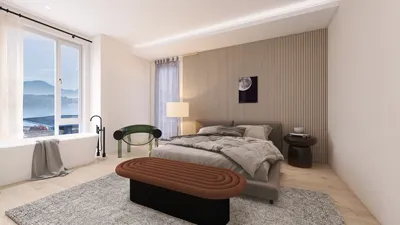


Having designed numerous square rooms, I can confidently say that a 15x15 layout strikes the perfect balance, facilitating efficient zoning, precise lighting, and thoughtfully chosen furniture scales. While square rooms might seem static, the objective is to create a sense of movement, balance weight, and elongate sightlines. Both in workspaces and living areas, optimal lighting levels and ergonomic layouts transform every square inch into a functional and comfortable space, often made easier with tools like Homestyler.
Effective measurements are crucial. According to WELL v2 standards, a work surface should have 300–500 lux for typical activities, ensuring glare control and visual comfort. In contrast, living spaces should aim for layered ambient lighting at around 150–300 lux, with task-specific accents to maintain eye comfort and avoid flat lighting. Research from Steelcase shows a connection between varying postures and reduced musculoskeletal discomfort, highlighting the importance of appropriate seating and desk heights that encourage a neutral posture and facilitate micro-movements. For human factors in design flow, I often utilize circulation loops of 30–36 inches, ensuring at least 18 inches of clearance around frequently accessed storage. For further insights into light quality and wellbeing, the WELL v2 guidance is advantageous, while the Steelcase research library provides valuable data on posture and behavioral dynamics.
Designing the Space: Optimizing a 15x15 Layout
In a compact 225-square-foot area, multiple micro-zones can thrive comfortably. For a living room, consider a central conversation area (sofa and two chairs) anchored by a rug sized 6x9 or 8x10, complemented by a cozy reading nook that harnesses natural light, and a media wall that seamlessly integrates into the space. In studio apartments or bedrooms, delineating sleeping, working, and storage areas can be achieved through the strategic use of rugs and lighting instead of tall dividers.
To enhance the visual flow of the room, aim for diagonal traffic patterns. Maintain pathways of 30–36 inches around seating arrangements. Utilizing a room layout software can greatly aid in visualizing circulation paths and sightlines, allowing for experimentation with furniture sizes before making a commitment.
Furniture Proportions and Scale
Oversized furniture can dominate square rooms. Opting for a sofa measuring between 78 and 84 inches, rather than one exceeding 90 inches, alongside armless or low-armed lounge chairs, can mitigate visual bulk. Ideally, coffee tables should be 40–50 inches long, featuring a slender base to maintain an open feel; ensure there is 16–18 inches of space between the seat and the table for comfortable access. Media consoles should be low (24–28 inches high) and wide to avoid creating vertical visual obstructions; be sure to position the TV at or near eye level when seated, typically between 42 and 48 inches from the floor to the center of the screen based on seating height.
For dining arrangements within a 15x15 area, a round table measuring 42–48 inches can seat four comfortably while preserving spatial flow. Should a rectangular table be necessary, ensure there is at least 30 inches clearance from the table edges to the walls for smooth movement.
Light Layering: Ambient, Task, Accent
I advocate for a three-layered lighting strategy: dimmable ambient light (from ceiling or cove sources), task lighting (like reading lamps and under-cabinet fixtures), and accent lighting (such as wall washers or art lights). Aim for approximately 200 lux of ambient light for relaxation, and increase to 300–500 lux for workspaces or reading areas. Controlling glare is essential; use diffused shades and indirect light sources, positioning fixtures to avoid direct eye-level exposure. To maintain luminance balance and prevent fatigue, ensure that bright surfaces are kept within a 10:1 ratio to darker areas.
Square rooms often suffer from underlit corners. Redirect light off the ceiling using upward sconces or slim floor uplights to create an illusion of height and soften shadows. For evening settings, warm-dim LEDs (2700–3000K) establish a cozy atmosphere, while cooler tones (3500–4000K) can enhance focus in work environments.
Understanding Color Psychology and Visual Harmony
Colors can significantly impact the visual workload. Choosing mid-light, low-chroma palettes, such as warm grays, clay beiges, or soft sages, can make square rooms appear more expansive. According to research by Verywell Mind, shades of blue and green generally promote calmness and concentration, whereas vibrant reds can be energizing—employ bright colors as accents instead of filling every wall. To create visual depth, consider painting one wall a deeper hue than the others and strategically placing art or shelves along that wall to guide the eye and alleviate symmetry.
Acoustic Considerations: Reducing Noise in Square Areas
Hard, parallel surfaces can cause sound reflections that amplify echoes. To mitigate this, layer rugs with dense fibers, upholstered panels, and lined drapes. Bookshelves with varied contents can act as effective light diffusers and sound scatterers. In media rooms, consider placing a soft-back sofa opposite drapes to break sound bounce. It’s advisable to alternate soft and hard finishes on facing walls to mitigate reflective sound.
Material Choices and Eco-Friendly Solutions
Compact spaces benefit from a mix of tactile elements rather than chaotic patterns. Combine matte-painted walls with natural fiber rugs, a low-sheen wooden console, and an accent piece in metal or stone. Choosing sustainably sourced woods and low-VOC finishes can enhance indoor air quality while minimizing off-gassing odors that can feel intensified in smaller rooms. Durable textiles with removable covers simplify cleaning and prolong the life of furnishings.
Smart Storage Solutions
Utilize floating storage where feasible. A 12–14-inch-deep wall-mounted cabinet near the entry can hold essentials without encroaching on floor space. In living areas, select ottomans with concealed storage or a slim console behind the sofa for charging devices and organizing mail. Vertical storage should be positioned thoughtfully to avoid corner blockages; open shelving in corners can be a preferable alternative to tall enclosed units.
Effective Layout Techniques to Enhance Space
Position seating about 6–8 inches away from walls to create a sense of spaciousness. Use asymmetry to disrupt the boxy feel: angle a lounge chair toward a corner lamp or slightly offset the rug so it aligns with the main view. Place mirrors opposite windows only if glare is controllable; better yet, positioning them perpendicularly reflects depth without harsh lighting. Keep heavier furniture, like bookcases or media units, low and wide; stacking vertically can compress the ceiling space.
When exploring room layouts, tools such as an interior design planner can provide valuable feedback on clearances and furniture sizes.
Creating an Ergonomic Workstation in a 15x15
A desk height of around 29 inches suits most users with adjustable chairs. Maintain a sight distance of 20–28 inches from the monitor, positioning the screen top near eye level. Task lighting should be adjustable and controlled for glare, targeting 300–500 lux on the desk surface. Incorporate cable management solutions and a footrest to promote comfort. Drawers should remain shallow, with frequent-use items stored within a 15–20-inch reach.
Dressing Windows for Daylight Management
The direction of light can significantly influence the ambiance of square rooms. Sheer drapes can soften contrast while allowing light to flow through; layering them with blackout curtains in sleeping areas can enhance darkness. If two windows are aligned on adjacent walls, ensure that the treatments are balanced for a symmetrical aesthetic in brightness; unequal dressing can visually skew the room.
Establishing Visual Rhythm and Art Arrangement
Apply a 60/30/10 visual weight ratio: 60% for neutral backgrounds (walls, rugs), 30% for medium-toned furniture, and 10% for deliberate accents. Hang art at a height of approximately 57–60 inches from the floor for optimal eye level. In square layouts, grouping art slightly off-center can direct focus and prevent a feeling of stasis from dead-center symmetry.
Common Strategies I Frequently Implement
- Feature a rug that is just shy of the size of the seating area.
- Maintain a diagonal secondary path to enhance movement.
- Reflect light from the ceiling using fixtures in two corners.
- Opt for a round dining table while ensuring 30 inches of space around it.
- Favor low, wide storage solutions over towering units.
- Use a deeper-toned accent wall to provide visual direction.
- Incorporate hidden storage in ottomans and underneath benches.
Common Queries
Typically, a configuration featuring a sofa (78–84 inches), two lounge chairs, and a slim coffee table works well while maintaining clear pathways of 30–36 inches.
For relaxed settings, aim for ~150–300 lux of ambient lighting. For tasks requiring focus, increase to ~300–500 lux at the workspace while controlling glare, following the guidelines outlined in WELL v2.
A small, low-profile sectional can fit adequately if the chaise does not obstruct circulation, keeping the total length under ~110 inches and allowing at least one diagonal pathway.
Round tables (42–48 inches) typically facilitate better flow in square rooms, easing movement around the edges. Rectangular options can work if a minimum clearance of 30 inches from table edges to walls is maintained.
Incorporate soft materials such as rugs, upholstered seating, drapes, and textile wall art. Break up parallel hard surfaces with bookshelves or acoustic panels to minimize sound reflections.
Low-saturation neutral colors—such as warm gray, soft beige, and muted green—can effectively create an illusion of more space. Use one darker accent wall to establish visual focus.
On the longest unbroken wall, place media equipment low (approximately 42–48 inches from the floor depending on seating height). Employ matte finishes on adjacent surfaces to reduce glare and reflections.
Consider floating a compact desk near a window or interior wall with dedicated task lighting. Use cable management solutions, a slim pedestal, and maintain a monitor viewing distance of 20–28 inches.
Typically, rugs sized 6x9 or 8x10 are suitable. Aim to have the front legs of seating on the rug while leaving 8-12 inches visible at the edges to avoid compressing the visual space.
Yes, positioning mirrors parallel to windows can enhance depth perception without amplifying glare. Avoid placing oversized mirrors directly opposite strong sunlight as they can create uncomfortable brightness.
When vertical storage nears the ceiling and corners become enclosed, the room may feel constricted. It is preferable to choose low, wide storage solutions and to integrate concealed storage within ottomans or benches.
Utilize warm-dim LEDs (2700–3000K) for inviting evening lighting; cooler tones (3500–4000K) should be employed in task-focused areas. Careful integration helps to maintain consistent visual comfort throughout the room.



Homestyler is the ultimate online home design platform for anyone looking to revamp their space. With a user-friendly design tool, stunning 3D renderings, and a vast collection of design projects and video tutorials, it makes bringing your interior design visions to life both easy and inspiring!
Progetta ora GRATIS
































