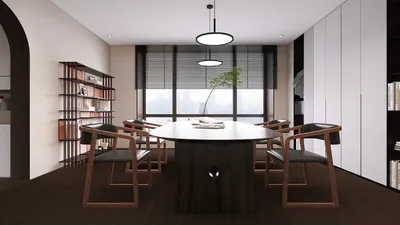


Incorporating wooden wall shelves into your living space can significantly optimize vertical storage options, providing both practical organization and an element of aesthetic appeal without encroaching on floor space. I often turn to these shelves when seeking to infuse warmth, rhythm, and a sense of order, particularly in smaller homes or open-plan layouts—with the help of tools like Homestyler, this can be realized effortlessly.
Well-crafted shelving units not only enhance comfort but also positively influence behavior. Research by Steelcase indicates that maintaining visual clarity and accessibility can reduce cognitive stress, creating an environment that promotes focus and tranquility. The WELL v2 Light concept highlights how proper lighting can enhance overall comfort and align with our natural circadian rhythms. Wood’s non-reflective nature helps eliminate glare while providing a cozy, tactile atmosphere. I typically aim for ambient lighting levels of 150-300 lux in living rooms, enhancing shelf lighting at around 200-500 lux to showcase items attractively, avoiding any harsh spots. For further insights, visit steelcase.com/research and v2.wellcertified.com.
Outline the Wall: Consider Sightlines, Rhythm, and Load
Before selecting your shelf designs, it's essential to map out sightlines from main seating areas and entry points. Maintaining a visual rhythm, I align the centers or front edges of shelves with architectural features such as door heads and window frames. Structural weight considerations are crucial: traditional solid wood shelves can typically support between 15-25 pounds per linear foot when properly secured into wall studs. Floating shelves, however, have varying capabilities; always verify manufacturer specifications and ensure secure anchoring into studs or utilize heavy-duty toggles when mounting on masonry. If you're reshuffling your furniture layout, utilizing a room layout tool can efficiently simulate sightlines and traffic patterns, streamlining the design process.
Select the Appropriate Wood and Finish
The choice of materials plays a significant role in the durability and ambiance of your shelving. Oaks and ashes are excellent for showcasing wood grain and durability, while walnut adds a touch of depth and contrasts beautifully against lighter walls. Maple is ideal for keeping things light with its fine grain. For busy households, I recommend a matte, hardwax-oil finish that preserves texture and diminishes glare; a semi-matte polyurethane finish is effective in damp areas near beverages or plants. Opt for sustainably sourced woods with FSC certification and low-VOC finishes to enhance indoor air quality and durability.
Floating Shelves: Minimal Presence, Maximum Effect
Floating shelves offer a sleek design that works wonders on media walls or in tight pathways. To maintain visual harmony, I recommend a thickness between 1.5-2.5 inches; shelves deeper than 10-12 inches accommodate books and larger decorations, while 6-8 inches suffice for frames and smaller items. Typically, I stack three shelves with vertical spacing of 12-16 inches to avoid clutter and allow room for bulkier objects.
Brackets, Ledges, and Picture Rails
Open bracket-style shelves are perfect for casual and eclectic home designs, enhancing either industrial or Scandinavian aesthetics. Picture ledges and rails are ideal for easily rotating artwork without creating new holes—an excellent solution for renters—and they maintain a streamlined appearance in confined areas. Select bracket finishes that complement your other hardware choices, such as blackened steel, brass, or satin nickel, to create visual coherence throughout the space.
Corner and Niche Solutions
Corners are often overlooked in design. By extending shelves around corners, you can soften harsh angles and craft delightful vignettes for books and decor. For niches, consider running wooden shelves across the entire recess to transform it into functional display or media storage. Ensure a breathing space of 1-2 inches from adjoining trims to avoid a cluttered appearance.
Layered Lighting for Enhanced Depth and Comfort
Add life to your shelves with thoughtful lighting. I integrate low-glare LED strips (2700–3000K is preferable for living spaces) mounted beneath or behind shelves to illuminate walls and accentuate displayed items. According to IES guidelines, it's advisable to limit luminance contrast to mitigate discomfort, aiming for a +3:1 contrast ratio between ambient and accent lighting. Implementing dimming features allows for better adjustment between movie nights and reading sessions. For glass-fronted displays, opting for high CRI (≥90) LEDs ensures that wood textures and artworks are portrayed accurately.
Ergonomics: Accessibility, Safety, and Flow
Considering human factors is vital in design. For items used frequently, it's best to position shelves within 28-60 inches from the ground, while reserving higher shelves for seasonal decorations or archival materials. Maintain a clearance of 36-42 inches around doorways and major pathways to ensure smooth circulation. When designing for tight spaces or homes with children, avoid sharp corners—rounded edges or bullnose profiles can help reduce the risk of injury.
Style with Color Psychology
Wood brings warmth to a design palette, but styling choices are equally impactful. According to insights from Verywell Mind on color psychology, blues and greens provide a calming effect, while warm accents can energize. Pairing wood shelves with soft blues or greens creates a tranquil living area, while introducing warm highlights (such as terracotta or brass) prevents the room from appearing flat. Balance between light and dark objects on the shelves maintains visual interest, positioning heavier items lower and lighter decor higher.
Designing Shelves Around the TV
Surrounding a television with wooden shelves can mitigate its dominant presence. Keep nearby shelving sparse to avert visual clutter during viewing sessions. Concealing audio/video cables with routed channels underneath the shelves enhances the aesthetic, while leaving 1-2 inches of space behind equipment ensures adequate ventilation.
Built-In vs. Modular Solutions
Built-in units offer seamless integration into the design and can boost resale value, particularly when they align with baseboard profiles and casings. Modular shelving, however, excels when flexibility is needed—allowing for reconfiguration as collections expand or children’s requirements evolve. For rental spaces, modular solutions with wall standards minimize damage and support substantial weight capacity.
Maximizing Space in Small Living Rooms
Opt for vertical solutions. A single tall shelf configuration can effectively replace lower furniture pieces. Shallow ledges can accommodate artwork, plants, or speakers without occupying floor space. Incorporating mirror-backed niches or light-colored walls behind the shelving enhances perceived depth. Aim for a 60/40 ratio of open to filled space on display shelves to help the room maintain a sense of airiness.
Acoustic Comfort and Material Choices
Books and wood surfaces naturally scatter sound waves, softening mid-to-high frequencies in lively living areas. To minimize echo, I alternate wooden shelves with textured items like fabric bins, pottery, or greenery. Avoid extensive glass on the shelf fronts in echo-prone environments.
Prioritizing Sustainability and Longevity
Select solid woods or high-quality veneers on stable bases. Choose finishes that are easy to maintain; a light sanding and re-oiling can revitalize shelves even after years of use. Whenever possible, source materials locally to minimize environmental impact. Adjustable and removable hardware adds to the longevity of your shelves as room layouts evolve.
- Verify stud locations and load ratings; employ suitable anchors depending on masonry or drywall conditions.
- Ensure that shelving aligns with existing trim lines for cohesive appearance.
- Plan cable pathways for lamps or AV units in advance.
- Test your lighting at night and adjust brightness to mitigate glare effectively.
- Decorate using a blend of books, art, and softer textures; refresh your setup seasonally.
FAQ
Q1: What depth works best for living room shelves?
A: I recommend 10-12 inches for books and assorted decor, and 6-8 inches for frames and smaller items. It's crucial to balance the shelf depth with clear pathways to ensure smooth circulation.
Q2: How high should shelves be placed above a sofa?
A: The bottom shelf should sit 8-12 inches above the back of the sofa, and it’s advisable not to extend beyond the width of the seat to prevent collisions and maintain visual harmony.
Q3: What weight can floating shelves support?
A: This depends on the mounting hardware and shelf material. A well-mounted floating shelf affixed to wall studs can support around 15-25 pounds per linear foot; it's essential to stick to the manufacturer's guidelines.
Q4: What lighting temperature is best for accentuating shelves?
A: A range of 2700–3000K is recommended for living spaces, providing warm, inviting light that compliments wood finishes. High CRI (≥90) options are ideal for accurate color representation.
Q5: How can I avoid cluttered shelves?
A: Maintain a 60/40 open-to-filled ratio, categorize items by theme or color, and vary heights to avoid monotony. Heavier pieces should be placed on lower shelves, fostering a consistent visual rhythm.
Q6: Are there sustainable wood choices available?
A: Absolutely—consider FSC-certified options like oak, ash, maple, and walnut. Choose low-VOC finishes and repairable coatings for longevity.
Q7: How should I style shelves around a television?
A: Position shelves slightly off-center from the TV screen, avoid reflective materials close to the display, and remember to plan for cable management and equipment ventilation behind the shelves.
Q8: How do shelves influence acoustics?
A: Wood books and decorative items contribute to sound diffusion by softening mid-to-high frequency waves, thereby reducing harsh reflections. Mixing materials enhances room balance in more energetic spaces.
Q9: Can shelves optimize space in smaller living areas?
A: Definitely—select shallower shelves (6-8 inches), mount them higher, and keep lower areas open, testing layout configurations with an interior layout planner to maintain clear circulation routes.
Q10: What finishes can help reduce glare?
A: Opt for matte or low-sheen finishes on wood to decrease reflections. Combine them with layered lighting and dimming options to adjust brightness in line with IES recommendations.



Homestyler is the ideal platform for anyone looking to transform their home design dreams into reality. Featuring an easy-to-use online design tool, stunning 3D renderings, a plethora of inspiring design projects, and informative video tutorials, you’ll find everything you need to create your perfect space!
Design Now for FREE
































