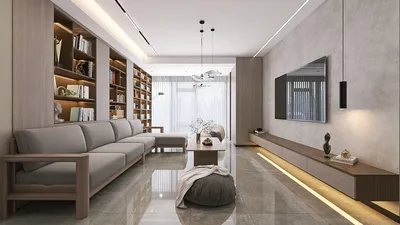


Having orchestrated numerous events in a variety of venues, I consistently find that Harmain Function Hall distinguishes itself through its adaptable room layouts, excellent sound quality, and efficient service routes. When selecting a hall for occasions such as weddings, conferences, or galas, it’s crucial to consider the combination of spatial proportions, lighting options, and operational characteristics that shape the overall experience.
Research indicates that the environment substantially influences attendees’ experiences. According to Steelcase, spaces that offer adjustable environmental controls can enhance user satisfaction and productivity. Similarly, Herman Miller highlights the importance of ergonomic seating in promoting proper posture and minimizing discomfort during lengthy events, which is particularly vital for conferences and formal ceremonies. These findings are instrumental in how I evaluate venue specifications, including capacity, aisle design, and stage placement to facilitate guest engagement while reducing mental fatigue.
Quality lighting plays a pivotal role in event planning. The Illuminating Engineering Society (IES) suggests a lighting level of 300–500 lux for general assembly spaces and up to 1000 lux in areas requiring focused attention such as registration or catering. For evening receptions, a color temperature within the 2700–3500K range conveys warmth and creates a welcoming atmosphere, whereas a temperature between 3500–4000K is fitting for daytime events. Techniques such as glare reduction and adjustable dimming are essential for maintaining visual comfort as event lighting transitions.
Core Spaces and Capacity Management
Typical features of Harmain Function Hall include a grand ballroom, pre-function area, break-out rooms, and service corridors. When organizing a banquet, allocate about 10–12 square feet per guest, whereas theater seating usually requires approximately 6–8 square feet per individual, which may vary based on chair specifications and aisle arrangements. It's important to avoid overcrowding; sightlines from the stage to the back rows must remain unobstructed. Utilizing a room design tool helps visualize various seating configurations, aisles, emergency exits, and audiovisual focal points before making final arrangements.
Lighting Strategy: Scene Management, Dimming, and Color Temperature
Events encompass various emotional phases—arrival, ceremonies, speeches, dining, and dancing—each requiring specific lighting adjustments. I prefer a layered lighting approach, utilizing dimmable ambient LEDs for overall illumination, track spotlights to highlight floral arrangements and backdrops, and wall grazers to introduce depth. Following IES guidelines, essential ambient light levels range from 300 to 400 lux in pre-function areas and 200 to 300 lux during dining, increasing to 500 to 750 lux for stages and lecterns to alleviate visual strain. If available, utilizing DMX or DALI technology allows for precise preset mapping with smooth dimming intervals, prioritizing a high Color Rendering Index (CRI 90+) for optimal photography results.
Sound Quality and Clarity
Effective sound management is key to preventing audience fatigue. Aim for a reverberation time (RT60) between 0.8 and 1.2 seconds for larger halls. Incorporating soft materials—like fabric drapes, cushioned seating, and carpet runners—can help control sound reflections. Proficiently positioning subwoofers and coordinating delay speakers are essential to ensure sound reaches all attendees within a 30 ms timeframe from the source. A line-array sound system with a cardioid subwoofer setup minimizes bass reflections off the walls. Sound isolation for breakout rooms is crucial; pay close attention to door seals and test for leaks during setup.
Ergonomics and Seating Plans
For extended events, the ergonomic design of chairs is vital. Herman Miller’s studies emphasize that lumbar support and adjustable seating can significantly reduce discomfort, thereby enhancing focus during keynotes or ceremonies. It is advisable to maintain chair widths between 18-20 inches and allow 36-42 inches between rows for easy movement. For banquet rounds, 60-inch diameter tables can comfortably seat 6 to 8 guests, while 72-inch tables accommodate 8 to 10 individuals but require additional space for circulation. Avoid using centerpieces higher than 12-15 inches in line-of-sight spaces to prevent obstructing views.
Stage Setup, Visibility, and AV Framework
The height of the stage should correlate with the audience distance: 12-24 inches for up to 150 guests, increasing to 24-36 inches for larger gatherings, ensuring slope-compliant ramps for safety. Ensure that projection beams are unobstructed and specify screens designed to reject ambient light if the venue remains bright. Adequate power distribution is essential, incorporating dedicated circuits for audio, lighting, and catering to prevent electrical interference. It's also vital to work with the venue to strategically plan cable routes that avoid tripping hazards for guests.
Pre-function Setup and Participant Flow Management
The entrance creates the first impression. A color temperature of 3500K in the foyer encourages attentiveness during registration, with 300–500 lux illuminating signage and check-in areas. High-top tables can be positioned near bars and coat checks to allow free passage. Clear wayfinding—contrasting signage and visible floor markers—can aid in navigation. Ensure that major pathways (for instance, from the foyer to the main hall, or from the hall to the terrace) are devoid of obstructions, providing a central spine with side areas for socializing.
Back-of-House Workflow
Catering necessitates easy access to refrigeration, staging spaces, and direct pathways to service entrances. Waste disposal and dish returns should be acoustically isolated from the main hall. If Harmain Function Hall has loading dock facilities and freight elevators, schedule deliveries during off-peak times to avoid overlaps with guest arrivals. Proximity of power and water sources to kitchen areas minimizes spill risks and enhances service efficiency.
Understanding Color Psychology and Creating Atmosphere
For receptions, incorporating warm neutral colors and soft amber accents fosters social interaction, while cooler tones are better suited for conferences where clarity and attentiveness are paramount. Blues can instill calmness and trust, whereas reds can induce energy but may overwhelm in larger settings. It's essential to balance rich colors with neutral hues to alleviate visual strain and to test fabric samples in the hall’s actual lighting conditions, as LED light properties can alter color perception.
Material Choices and Sustainable Practices
Select materials that have durable, easy-to-clean surfaces—solution-dyed upholstery, stain-resistant carpeting, and low-VOC paints are excellent choices. If the venue provides reusable decor items (such as archways or risers), prioritize their use to minimize waste. Material libraries like Material ConneXion offer curated selections for high-traffic areas; key factors to consider include durability, maintenance standards, and fire safety ratings.
Safety, Accessibility, and Compliance
Ensure that seating arrangements maintain clear pathways and exits. Install ramps with handrails, tactile markings for steps, and designated seating that considers sightlines for all guests. WELL v2 proposes methodologies that enhance comfort—such as glare reduction, acoustic clarity, and ambient temperature control—principles that integrate well into event settings. It's important to coordinate emergency lighting levels and assess exit sign visibility from all seating clusters.
Layout Scenarios for Harmain Function Hall
Three tried-and-true layouts accommodate a wide range of events: (1) Banquet rounds surrounding a central dance floor with service pathways; (2) Theater-style seating with dual aisles, a thrust stage, and side areas for cameras; (3) Flexible setups: crescent rounds for workshops that can swiftly transition into cocktail receptions. Test these concepts with an interior space planner to determine table configurations, linen dimensions, and audiovisual reach. Simulating both peak times and transitions will help identify potential bottlenecks early on.
Budget and Scheduling Considerations
Your budget should encompass more than just venue rental costs; include expenses for rigging, audiovisual equipment, electrical installations, security, coat checks, and overtime hours. Establish a timeline that allocates attention for lighting setup and soundchecks before event commencement. Stagger the arrival of vendors to streamline setup, ensuring your schedule anchors around time-consuming tasks—typically stage assembly and floral arrangements—to allow smoother integration for catering and photography.
Checklist: Essential Confirmations Prior to Booking
- Confirm the maximum room capacity based on the seating style (banquet, theater, classroom).
- Assess the lighting infrastructure and dimming capabilities available.
- Review the acoustic treatment and audiovisual equipment inventory (mixers, microphones, speakers).
- Clarify power distribution and rigging access points.
- Verify access for back-of-house operations and loading dock facilities.
- Evaluate accessibility features and emergency exit routes.
- Understand vendor policies regarding preferred vendors and insurance mandates.
- Confirm availability for rehearsals and establish contingency plans.
Guidelines and Research Sources
To ensure alignment with established standards, I routinely consult the IES for lighting regulations and WELL v2 for enhancing comfort and environmental quality. The resource libraries from Steelcase and Herman Miller provide valuable insights into ergonomic factors and support mechanisms for seated audiences. I recommend referring to IES lighting standards and WELL v2 for comprehensive specifications.
Frequently Asked Questions
Q1: What are the ideal lux levels for a wedding reception?
A: For dinner service, aim for ambient lighting of 150–300 lux and increase to 200–400 lux during speeches. Ensure accent lighting for flowers and backdrops remains at a slightly higher level to add depth without glare.
Q2: How many guests can the hall accommodate with banquet seating?
A: A general guideline is to allocate 10–12 square feet per person; therefore, a ballroom of 6,000 square feet can typically accommodate 500–600 guests while allowing for clear service pathways and stage visibility.
Q3: What color temperature works best for evening events?
A: A color temperature of 2700–3000K provides a warm glow that enhances ambiance, photographs well, and cultivates a relaxed atmosphere.
Q4: How can I enhance speech clarity during events?
A: By optimizing the reverberation time to around 0.8–1.2 seconds, employing directional speaker arrays, and strategically placing delay speakers, you can ensure sound reaches all attendees in less than 30 ms.
Q5: What seating configurations help minimize fatigue in extended programs?
A: Use ergonomic chairs equipped with lumbar support, ensure 36–42 inch spacing between rows, and maintain clarity in sightlines to minimize the need for guests to turn their heads.
Q6: Is it feasible to transition from a conference to a reception quickly?
A: Absolutely—using crescent round tables and pre-arranged draping can enable the staff to transform the room in about 45–60 minutes. Utilize a layout simulation tool, like Homestyler, to confirm staffing and route planning.
Q7: What materials are best for high-traffic venues?
A: Durable options include solution-dyed fabrics, stain-resistant carpet tiles, and low-VOC finishes that are easy to maintain while promoting healthy indoor air quality.
Q8: How should power be structured for audiovisual elements?
A: Designate separate circuits for audio, lighting, and catering to minimize electrical interference. Plan cable pathways along walls or beneath ramps to avoid trip hazards for attendees.
Q9: What stage height is most effective?
A: For audiences of up to 150 people, a stage height of 12–24 inches is ideal; for larger groups, aim for 24–36 inches, including handrails and accessible ramps for safety.
Q10: How can I manage noise transfer between breakout spaces?
A: Employ door seals, buffer zones, and schedule louder activities to avoid overlaps. Conduct sound tests during rehearsals to ensure effective sound isolation.
Q11: What is a dependable estimate for theater seating capacity?
A: Generally, allocate 6–8 square feet per attendee based on chair width and aisle configuration while also confirming compliance with fire safety and egress regulations.
Q12: Are there specific standards I should consult?
A: The IES standards for lighting and WELL v2 guidelines for comfort and environmental quality provide practical insights and verifiable standards applicable to event settings.
Homestyler's roots trace back to Autodesk, the global leader in design and engineering software. That heritage lives on in every feature we build. Today, with a community of more than 18 million users worldwide, Homestyler continues to make professional-quality interior design accessible to everyone — from first-time decorators to seasoned architects.
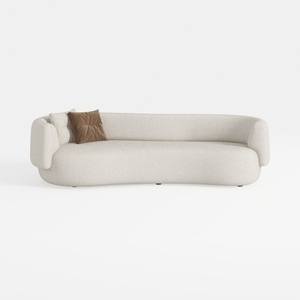
Minimalist Boucle Curved Living Room Sofa 3D Model
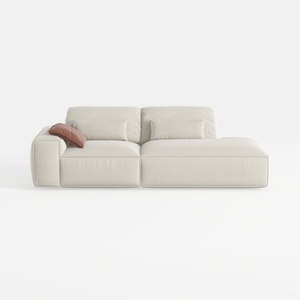
Minimalist Beige Fabric L-shaped Chaise Sofa 3D Model
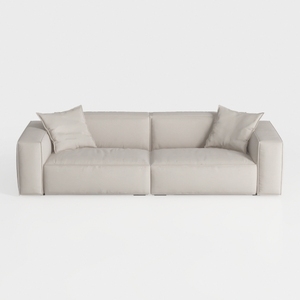
Minimalist Beige Fabric Modern Sofa with Throw Pillows 3D Model
Looking to transform your home? Homestyler offers an exceptional online design tool that empowers you to create stunning spaces. Explore extensive 3D renderings, inspiring design projects, and helpful DIY video tutorials—all in one user-friendly platform. Unleash your creativity with Homestyler today!
Design Now for FREE
































