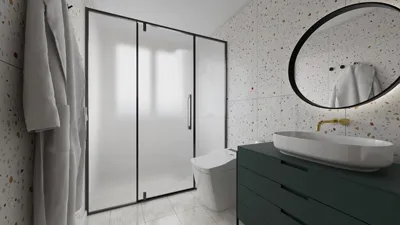


In winter, I focus on designing spaces that cater to the needs of people: from cozy layered sweaters to keeping the air comfortable during thermostat battles. Strategically using a room heater alongside a humidifier addresses not just temperature concerns but also skin dryness, static electricity, and respiratory comfort while regulating energy consumption. In my experience, maintaining an optimal humidity level through tools like Homestyler significantly enhances the perceived warmth of a room, reducing the reliance on higher heat settings.
Comfort goes beyond a mere sensation; it can actually be quantified. The WELL v2 standard suggests maintaining relative humidity levels between 30% and 50% to promote respiratory health and decrease pathogen prevalence, while also keeping temperatures within comfortable thermal ranges and ensuring proper ventilation (source: v2.wellcertified.com). According to research by Steelcase, improved environmental controls for both temperature and air quality lead to enhanced cognitive function and reduced fatigue in workplace settings, thus emphasizing the role of combining thermal and humidity controls (source: steelcase.com/research). When I optimize spaces in line with these recommendations, clients often report fewer headaches and less dryness.
From an ergonomic standpoint, maintaining air at approximately 40–45% relative humidity minimizes eye irritation and the risk of static shocks, while also allowing for a 1–2°C reduction in heater settings without sacrificing comfort; humans tend to feel warmer when humidity is at ideal levels. Guidelines from WELL and industry practices show that persistently low humidity (below 30%) can enhance irritant transmission and mucosal dryness, whereas excessive humidity (over 60%) can lead to condensation issues and dust mite proliferation, particularly along cold surfaces where dew points are reached. Finding this sweet spot is crucial but entirely feasible with effective management.
Understanding the Interplay of Heat and Humidity
Dry air extracts moisture from our skin and nasal passages, heightening the body's cooling effect from evaporation and making a room feel cooler than the thermostat indicates. Introducing a humidifier counteracts this heat loss, allowing a stable setting of 68°F (20°C) to feel much more pleasant. In practical terms, keeping relative humidity between 40% and 45% while using a zoned heater has halved my clients' winter discomforts. The heater establishes the foundational warmth, while the humidifier fine-tunes the overall microclimate.
Selecting the Ideal Heater
When choosing a heater, I consider the size of the room, the quality of insulation, and how the space will be used. Convection heaters (like oil-filled radiators or panel heaters) provide stable, silent warmth—perfect for bedrooms and offices. Radiant heaters distribute instant heat efficiently and are ideal for seating areas. While ceramic fan heaters circulate air quickly, their drying effects can be problematic unless humidity is carefully controlled. It's essential to ensure heater capacity is appropriate for the room: roughly 10 W per square foot (107 W/m²) works well for insulated spaces; increase capacity for older, draughty homes. Additionally, safety features—like tip-over switches and overheat protection—are essential.
Choosing a Compatible Humidifier
Evaporative wick humidifiers are efficient and self-adjust as humidity levels rise, making them excellent partners for heaters. Ultrasonic models are compact and quiet but require distilled or demineralized water to prevent soil buildup. Warm-mist humidifiers can provide a slight thermal advantage, making them suitable for very cold conditions, though they consume more electricity. Regardless of your choice, pairing your humidifier with a reliable hygrometer and setting a target range of 40–45% relative humidity will be crucial in preventing condensation issues.
Smart Layout for Uniform Comfort
Placement can significantly impact comfort. Keep heaters away from flammable objects and ensure they are at least 3 feet (about 1 meter) clear of textiles. Position humidifiers in areas with good airflow, such as doorways, while avoiding placements directly under windows or along exterior walls that trap cold air. In living spaces, I often position an evaporative unit across from the heater to enhance air circulation. Using a simple room layout tool from Homestyler can help visualize airflow and maintain safety clearances effectively.
Lighting, Color, and Psychological Impact in Winter
The temperature and color of light significantly influence how warm a space feels. Warm-white lighting (2700–3000K) softens shadows and highlights wood tones and fabrics, fostering a cozier ambiance and reducing the temptation to raise the heater’s temperature. Insights from Verywell Mind about color psychology indicate that warm tones (like red and orange) can evoke feelings of warmth and comfort (source: verywellmind.com/color-psychology). I prefer to use earthy colors such as terracotta, ochre, and walnut accents combined with textured fabrics like wool throw blankets and boucle upholstery to create a stable thermal atmosphere.
Acoustics and Overall Comfort
Whirring fans from heaters and ultrasonic humidifiers may introduce noise that disrupts tranquility. For bedrooms and reading spaces, I recommend low-noise convection heaters and quiet evaporative humidifiers. Incorporating soft furnishings, such as rugs and curtains, can help absorb sound and reduce mechanical hum. Minimizing acoustic distractions synergizes well with thermal comfort, enhancing relaxation during evening hours.
Ensuring Healthy Air Quality and Maintenance
A healthy environment is crucial for maintaining comfort. Regularly cleaning humidifier tanks can prevent biofilm accumulation, and changing filters monthly during peak usage is recommended. Use distilled water in ultrasonic humidifiers to prevent residue on surfaces. Keep indoor humidity below 50% to minimize mold risks in homes; levels above 60% boost the likelihood of mold growth around cold surfaces and window frames. A hygrometer at eye level can aid daily monitoring. For heaters, remember to clear intake vents, check cords, and avoid using extension cables unless they are appropriately rated.
Energy Efficiency, Sustainability, and Costs
Regulating humidity can lead to energy savings. With proper relative humidity, most clients can comfortably reduce their thermostat settings by 1–2°C, which typically results in a 3–6% decrease in heating energy usage. Implementing programmable settings, such as lowering heat at night and slightly increasing humidity for comfort while under blankets, can also help. Opt for Energy Star-rated devices when feasible, and consider room materials—adding thicker rugs, lined curtains, and insulated shades can lessen heat loss, allowing for lighter heater loads.
Safety Considerations and Human Factors
Ensure that power cords are organized away from walkways to prevent tripping hazards. Place humidifiers in areas where spills won't reach electronics or hardwood floors. Avoid direct heating at seating areas for extended periods as localized heat can cause discomfort and dryness. In family homes, I recommend child-safe features like locked tank caps and GFCI-protected outlets in damp spaces.
Designing Zones to Enhance Behavior
Micro-zoning is beneficial in most homes: a comfortably warm reading nook at 68°F with 45% relative humidity; a cooler bedroom ranging from 65–66°F with 40–45% humidity; and a drier kitchen space to minimize condensation. Utilize heaters for base warmth and humidifiers to refine each zone’s sensory characteristics, including light, texture, and noise levels. Visual balance is key: discreetly position devices, maintain clear pathways, and avoid clutter that could trap heat or moisture.
Quick Setup Tips
- Aim for 40–45% relative humidity; confirm with a hygrometer.
- Opt for convection heaters for quiet, consistent warmth.
- Maintain a clearance of 3 feet around heaters and keep textiles away.
- Use distilled water in ultrasonic humidifiers.
- Employ warm-white lighting (2700–3000K) to enhance perceived warmth.
- Clean humidifiers weekly; replace wicks monthly during heavy usage.
- Program heating schedules to lower temperatures at night.
- Watch for condensation on windows and exterior walls.
Frequently Asked Questions
To ensure comfort, maintain a humidity range of 40–45%; this not only boosts respiratory comfort but also minimizes static electricity while lowering condensation risks, per WELL v2 guidelines for healthy indoor environments.
Absolutely. With ideal humidity levels, individuals often find they can comfortably adjust thermostat settings down by 1–2°C, which can translate to energy savings of about 3–6%, based on room construction and usage patterns.
Convection heaters are optimal as they provide even heating without overly drying the air, thus facilitating better humidity management. Radiant heaters are suitable for localized heating zones but must be monitored for hot spots.
Yes, using mineral-rich tap water can cause buildup. Switching to distilled water or using a demineralization cartridge can prevent residue from forming on surfaces and electronics.
Maintaining humidity around 40–45% is ideal. Employ lined draperies and dodge placing humidifiers directly underneath cold windows. If condensation happens consistently, consider slightly lowering humidity or increasing air circulation.
Warm-mist humidifiers create a bit of thermal gain, contributing to warmth, but they can be more energy-intensive. In most homes, I prefer using evaporative cool-mist models due to their efficiency and self-regulating capabilities.
Choose oil-filled radiators or panel heaters for minimal noise, and opt for quiet evaporative humidifiers. Place these devices away from headboards and consider soft-mounting on vibration-damping surfaces.
Indeed. Many plants can naturally increase humidity levels. Just be sure to monitor conditions; in rooms with many plants, you may find less need for additional humidification, particularly if they're near windows.
Within the recommended 30–50% RH range set by WELL v2, users report significantly fewer issues with dry eyes, skin, and throats, solidifying the importance of maintaining these levels for respiratory wellbeing.
For insulated spaces, start with 10 W/ft² (107 W/m²); for draftier or high-ceiling areas, increase this amount. Always check manufacturer guidelines alongside real-world performance.
It’s best to place humidifiers near airflow paths but away from cold exterior surfaces. Position them at waist height for easy refills and keep them clear of books, electronics, and porous finishes.
Using warm-white lights (2700–3000K) and warm color palettes can greatly enhance feelings of coziness, allowing for slightly lower temperatures without sacrificing comfort.

Homestyler is your go-to online home design platform! With its user-friendly design tool, stunning 3D renderings, and a wealth of DIY video tutorials, you can effortlessly create and visualize your dream space. Whether you're renovating or decorating, Homestyler makes design fun and accessible for everyone!
지금 무료로 디자인하세요
































