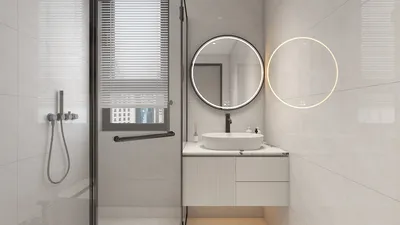


Wall-mounted kitchen sinks are a brilliant choice for maximizing counter space, simplifying cleanup, and creating a sleek, architectural look. I recommend them when aiming for a visually airy and confident design above the backsplash, particularly in smaller kitchens where every square inch is crucial. However, performance is paramount: aspects such as flow rates, reach, handle ergonomics, and splash control significantly affect everyday usability. Research from Steelcase demonstrates that well-designed work environments correlate with improved productivity, with 20% of employees reporting that inadequate tools hinder their performance—plumbing fittings are essential in that toolkit (Steelcase productivity insights). The WELL v2 framework also emphasizes the importance of water quality and accessibility; features like controllability and hygiene are vital for occupants' health (WELL v2 Water concept).
Incorporating standards into kitchen design involves positioning the spout centerline at 8–10 inches above the sink rim to manage splash and provide clearance for pots. A typical spout reach of 6–9 inches accurately directs water over the drain in a standard 22-inch deep sink. Comfort is key: an ideal handle force is under 5 N, with a motion arc that maintains wrist neutrality; ergonomic designs support comfortable postures and reduce repetitive motions (Chartered Institute of Ergonomics & Human Factors). To ensure adequate light at the sink, I aim for task lighting of 300–500 lux, adhering to IES kitchen recommendations that promote layered lighting to minimize shadows on wet surfaces (IES standards).
The selection of colors and materials plays a crucial role in shaping perceptions and fostering a calm atmosphere. Utilizing muted warm neutrals alongside stainless or PVD brass taps helps reduce visual distractions; while cooler shades can appear crisper, they may come off as less inviting. Studies on color psychology reveal that blue shades can evoke feelings of calmness and cleanliness, whereas balanced warm tones add a welcoming touch (color psychology overview). I carefully pair finishes: brushed stainless is effective at concealing water spots, contrasting nicely with polished chrome; PVD brushed brass complements darker cabinetry like black or walnut without being overly dramatic. For ease of maintenance, I prefer knurled lever handles over round knobs for better grip in wet conditions.
Advantages of Wall-Mounted Taps
- Unobstructed countertop area: no base escutcheons cluttering work surfaces with cutting boards or soap dispensers.
- Hygienic cleaning: fewer penetrations in the sink deck lead to less dirt accumulation.
- Aesthetic appeal: streamlined backsplash and a solid horizontal element.
- Versatile sink styles: options like apron-front, undermount, or integrated stone sinks fit seamlessly under a wall-mounted spout.
Height, Reach, and Splash Management
My design considerations begin with bowl dimensions. For a sink depth of 9–10 inches, positioning the spout outlet 8–10 inches above the rim keeps the water stream compact; too high increases splash, while too low prevents tall stock pots from clearing. The optimal spout reach of 6–9 inches works effectively for most 30–33 inch sinks, aligning the flow with the drain to minimize noise and splash. Aerators that provide 1.5–1.8 gpm deliver a cohesive stream that’s practical for rinsing without creating a mist. For prep sinks, a flow rate of 1.2–1.5 gpm is clean and efficient. If I specify a pull-out spray in an accompanying unit, I ensure the wall tap’s aerator allows for slightly higher flow to expedite pot filling.
Types of Valves and Handle Ergonomics
Single-lever ceramic cartridges facilitate intuitive one-handed mixing, particularly beneficial near a cooktop when one hand is often occupied. A dual-handle setup provides fine temperature regulation for extended rinsing tasks. I avoid small spherical knobs; wet hands tend to slip. Levers requiring at least 2 inches of throw and featuring a textured surface are more reliable. For sanitary reasons, paddle handles that can be operated with forearms allow users to control flow without a full grip. Aim for a minimum center-to-center spacing of 8 inches for dual handles to avoid wrist crowding against the backsplash.
Mounting and Rough-In Considerations
Planning the rough-in stage is critical. I typically set the finished spout outlet around 44–48 inches above the finished floor for standard countertops and sinks, then make adjustments based on the bowl profile. Ensure that control valves are placed symmetrically, usually 2–3 inches on either side of the centerline. Confirm the wall thickness: solid masonry may require pre-planned recesses; stud walls need proper in-wall mounting carriers or blocks to withstand torque when the handle is turned with force. Pre-coordinating with the tile layout helps position escutcheons over grout lines or centered tiles for a neat appearance. If testing various sink locations or appliance clearances, utilizing a digital room layout tool like Homestyler can help verify spout reach and handle clearance ahead of rough-in.
Backsplash, Sealing, and Moisture Management
Select durable materials for areas behind the tap: glazed ceramic tile, sintered stone, or sealed natural stone. I opt for stain-resistant epoxy grout within wet zones and maintain a continuous silicone seal around any penetrations. In areas with wood upstands, applying a clear protective finish safeguards the wood and lifting the spout slightly reduces direct contact. If your household frequently cooks with oil, I recommend satin or honed surfaces to minimize the visibility of micro-splatter.
Finish, Texture, and Color Combinations
- Stainless/Brushed Nickel: low maintenance, pairs well with cool whites, grays, and blue-green tones for a crisp aesthetic.
- PVD Brass/Bronze: adds warmth; pair with matte black hardware or walnut for deeper contrast.
- Matte Black: offers strong graphic contrast; ensure adequate task lighting prevents shadows from obstructing visibility.
- Dual Finish: contrasting lever designs improve accessibility, making it easier for aging hands to locate controls visually.
Water Efficiency and Flow Experience
When it comes to water efficiency, it shouldn’t adversely affect the rinsing experience. I select aerators that ensure a smooth laminar-like stream at 1.5 gpm for regular use; in areas with hard water, easy-clean silicone nozzles are a lifesaver. If rapid pot filling is necessary, a pot-filler near the cooktop is a strong option, while still keeping the sink tap efficient. Observing the user’s workflow, for example frequent pasta nights or baking tasks, may indicate the need for higher clearance or a supplementary spray source.
Lighting the Sink Zone
The sink functions as both a wet and reflective work area. I layer light to achieve 300–500 lux directly at the rim: incorporating a directional under-cabinet linear light just ahead of the backsplash, combined with broader ambient lighting to mitigate contrast. Shielded optics can also soften glare from chrome and water surfaces. Warm-white 2700–3000 K lighting is ideal for food prep; if your kitchen has a cooler palette, opt for 3000–3500 K lighting to keep colors authentic without becoming sterile. Aim for low glare (using UGR control through shielding and cut-off) and avoid downlights directly above the faucet that might cast hand shadows.
Noise and Acoustics Management
Stream noise increases with drop height and turbulent flow. Positioning the outlet near the drain and selecting a sink with sound-dampening materials minimizes metallic ringing. For open-plan kitchens, incorporating soft finishes (such as rugs, upholstered seating, and curtains) can help absorb sound so that water noise doesn’t overpower conversations.
Installation Pitfalls to Avoid
- Setting the rough-in too high: leads to excessive splash and awkward reach.
- Neglecting to add blocking: results in unstable valves that can loosen over time.
- Misalignment with tile layout: minor visual discrepancies can become major issues.
- Handles malfunctioning against a window sill: always model swing arcs for accurate placement.
- Overlooking water quality considerations: hard water can mar finishes; factor in a maintenance or filtration strategy.
Small Kitchens: Maximizing Wall Space
In compact designs, opting for wall-mounted tap solutions can reclaim inches of counter space and streamline the visual field. I align the tap center with the sink and range for a clear axial line, keeping accessories adjacent rather than directly behind the tap (think magnetic strips or narrow rails). When confirming adjacent placements with dishwashers or bins, using an interior layout planner like Homestyler can map clearances and prevent clashes with door handles.
Maintenance, Cleaning, and Durability
Daily: wipe down with a soft cloth and mild dish soap. Weekly: rinse and dry to prevent mineral buildup. Monthly: unclog aerators; most can be loosened by hand. Avoid abrasive cleaners on PVD and matte surfaces. Only use OEM replacement parts for ceramic cartridges to maintain performance and prevent leaks.
When to Opt for Deck-Mounted Solutions Instead
If your window sill is only inches above the counter, a wall-mounted spout may position too close. Thick stone or brick walls without easy access can complicate maintenance. In rental properties, deck-mounted taps allow for simpler changes down the road. Otherwise, wall-mounted taps excel in custom kitchens and sleek renovations.
Specification Checklist for Clients
- Spout height above the sink rim: 8–10 inches
- Spout reach: 6–9 inches for centering over the drain
- Desired flow rate: 1.2–1.8 gpm with a quality aerator
- Handle type: choose between single lever or dual, considering grip texture and throw length
- Rough-in planning: include necessary blocking, valve positions, and tile coordination
- Finish preference: consider maintenance needs and water quality
- Lighting levels: target 300–500 lux at the sink with low glare options
- Access considerations: include service panels if the wall is extensively solid or tiled
Frequently Asked Questions
I aim for 8–10 inches from the sink rim to the spout outlet. This setup balances pot clearance with splash control, adjusting slightly for exceptionally deep or shallow bowls.
The recommended spout reach typically falls between 6–9 inches, positioning the water stream directly over or near the drain in standard sinks measuring 30–33 inches, thus minimizing splash and noise.
Yes, you will require in-wall supply lines, a mounting carrier or solid blocking, and precise rough-in measurements. Early coordination with tile layout and cabinetry is essential.
Single-lever designs offer speed and ergonomics for diverse tasks. Dual handles enable accurate temperature management and often suit traditional styles. Both can incorporate durable ceramic cartridges.
For standard kitchen applications, 1.5–1.8 gpm feels strong yet manageable. Prep sinks can operate efficiently at 1.2–1.5 gpm. Opt for quality aerators to maintain a consistent stream.
I recommend PVD-coated finishes, ensuring to wipe dry after heavy use, and considering a straightforward filtration or softening strategy if hard water exists. Brushed textures are better at concealing spots compared to polished finishes.
Aim for 300–500 lux using a shielded under-cabinet linear or focused task light. Avoid glare directed at reflective taps and water surfaces.
Yes, center the spout above the bowl and verify the reach. The clean wall line often enhances the appearance of an apron-front sink.
Ensure space for longer trim extensions or deeper valve bodies, and verify that escutcheons sit flush after tile or stone installation. Confirm thread engagement post-installation.
Yes, by combining a separate deck-mounted spray with an adjoining prep sink featuring a pull-down faucet. Ensure controls are intuitive and located within the same workflow zone.
Control drop height, centralize the stream over the drain, and select a sink that incorporates sound-dampening features. Adjacent soft furnishings will further reduce reflected noise.
Not unless access is available in the rough-in. Utilize quality shutoffs and maintain records for cartridge replacements. Regular cleaning of aerators remains consistent.
Discover the power of Homestyler for your home design journey! This user-friendly platform offers an intuitive online design tool, stunning 3D rendering, and a wealth of inspiring design projects and DIY video tutorials. Transform your space effortlessly and unleash your creativity today!
Zaprojektuj teraz za darmo
































