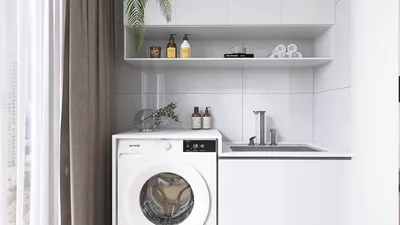


With over ten years of experience installing wall-mounted air conditioners in various settings such as apartments, studios, and smaller offices, I’ve discovered that the best results come from integrating the unit into the room’s thermal, acoustic, and aesthetic environment. This comprehensive guide balances adherence to codes, human comfort, and visual harmony, emphasizing how the right approach can enhance enjoyment in any space. Incorporating tools like Homestyler can further assist in visual planning during this process.
Strategically Plan the Placement for Optimal Comfort and Efficiency
The location of your air conditioning unit determines its overall performance regarding cooling efficiency, noise reduction, and ease of maintenance access. Research in thermal comfort indicates that maintaining stable temperatures and controlled airflow enhances occupant satisfaction. Notably, Steelcase reports a direct correlation between temperature satisfaction and workplace productivity. WELL v2 recommends keeping operative temperatures around 20–25°C (68–77°F) and managing drafts effectively to enhance comfort levels. Selecting a wall that facilitates air circulation throughout the room—without directing airflow directly at seating or beds—is crucial.
Mount the unit at a height just above eye level, typically between 7 to 8 feet (2.1 to 2.4 meters), to utilize the Coanda effect for even air distribution rather than a direct blast at inhabitants. Ensure a clearance of at least 6 to 12 inches (150 to 300 mm) around the unit as well as a minimum height of 7 feet from the floor to maximize performance and accessibility.
Assess Structural Integrity, Electrical Needs, and Drainage
Before beginning installation, check that the wall can support the unit and withstand vibrations. For masonry walls, secure sleeve anchors sized for the brackets; for framed walls, fasten to studs or add a backing plate as necessary. Establish a dedicated circuit to minimize electrical issues, as most AC units consume between 7 to 12 amps—commonly, a 15 to 20A circuit will suffice, but always verify with the unit’s specifications. Maintain voltage within recommended limits and ensure proper breaker and receptacle sizes are used.
Proper condensate management is essential. According to WELL v2, controlling moisture is vital for mold prevention; therefore, you must route a gravity drain to the outside or utilize a condensate pump if necessary. Avoid installed line traps by maintaining a 1/4 inch per foot slope and insulate pipes running through warm areas to prevent condensation. Don’t forget to add a cleanout loop near the AC for maintenance ease.
Control Sunlight, Glare, and Heat Loads from Building Structure
Excess solar gain can cause an AC unit to function inefficiently and result in uncomfortable temperature fluctuations. South- and west-facing windows benefit from implementing low-e glazing, external shading solutions, and lighter-colored finishes. According to color psychology studies, using cooler tones like soft blues or greens can increase the perception of coolness in a room, while high-reflectance paints enhance natural light without creating glare. If your unit is positioned adjacent to a window, employ glare-reducing blinds to maintain effective air circulation.
Determine the Correct Unit Size for Actual Load Conditions
Selecting an adequately sized unit is critical; an undersized unit will run continuously without proper dehumidification, while an oversized one will short-cycle and create excessively damp conditions. As a general guide, small rooms measuring 100 to 150 square feet might need around 5,000 to 6,000 BTUs, medium spaces of 200 to 350 square feet generally require 8,000 to 12,000 BTUs, and larger areas may need between 12,000 and 18,000 BTUs. Adjust these estimations based on ceiling heights, the numbers of occupants, equipment heat emissions, and solar exposure. In more complex scenarios, calculating both sensible and latent loads is essential, factoring in heat contributions from lighting, electronics, infiltration, and window glazing.
Optimize Layout, Clearances, and Visual Integration
When space is limited, simulate sightlines, the arrangement of furniture, and airflow paths prior to installation. Utilizing a room layout tool helps to ensure the unit's airflow won't disrupt workspaces or walking paths while also making sure maintenance access is maintained.
room layout tool
Visually, integrate the AC unit into the room’s design by aligning it with architectural elements like soffits or artwork. Avoid cutting into crown molding unless you intend to enclose the unit, and keep all conduits neat and orthogonally positioned. Use cable covers that match the wall color and arrange the condensate line parallel to edges for a seamless aesthetic result.
Step-by-Step Installation Process
Begin by following the manufacturer’s template to accurately mark bracket holes along a level line. Re-confirm stud placements or prepare to drill anchors for masonry walls while adhering to specified clearances for intake and servicing.
Utilize appropriate fasteners such as lag screws for wooden studs or sleeve anchors for masonry or concrete installations. Ensure the bracket is level, as an uneven installation can lead to condensate overflow. If the wall is prone to vibrations, consider adding pads behind the mounting bracket.
Drill the condensate drain hole with a slight gradient directing outwards. For power and refrigerant lines (if needed), incorporate grommets and sleeves, sealing them properly with backer rods and suitable weather-resistant sealant to avert infiltration.
Install a dedicated electrical receptacle or follow hardwiring guidelines according to code and the specific requirements of the unit. Keep wiring organized, utilize strain relief methods, and ensure correct polarity and grounding before testing the circuit.
Secure the unit to the bracket and confirm that it’s locked in place. Connect the drain line with a solid push-fit or hose clamp, ensure proper slope, and conduct an initial water test to check for leaks.
Seal any wall penetrations to prevent hot air and moisture infiltration. Insulate refrigerant lines according to manufacturer specifications and finish up by applying paint-matched covers and trim for a polished look.
Power up the unit, setting it to cool mode, and monitor the air temperature drop (ideally between 15 to 20°F below room temperature for direct-expansion units, depending on environmental factors). Check for unusual vibrations, ensure proper drainage, and validate uniform air distribution. Run the unit for 20 to 30 minutes to achieve stabilization.
Addressing Noise, Vibration, and Acoustic Comfort
Acoustic comfort is as significant as thermal comfort, particularly in environments like bedrooms and office spaces. According to research by Herman Miller, interruptions from noise can diminish focus. To minimize vibrations that may travel through structures, place rubber pads behind the brackets and steer clear of attaching the unit to light or resonant partitions. If fan noise is an issue, especially at night, utilize the 'quiet' mode and arrange seating away from direct airflow. Soft furnishings and area rugs also play a vital role in absorbing sound.
Focusing on Ergonomics, Airflow, and Human Comfort Considerations
Drafts largely contribute to discomfort complaints. To alleviate this, direct airflow upwards along the ceiling and down the far wall—this indirect flow method reduces issues like dry skin and eye irritation. For optimal sleep comfort, maintain fan speeds at moderate levels and set temperatures around 72 to 75°F for the majority of people, making adjustments as necessary for individual preferences. In shared settings, consider providing a personal oscillating fan to create microclimates without needing to lower the AC's overall temperature.
Maintenance Practices for Continuous Efficiency
Establish a routine for cleaning filters every 4 to 6 weeks during peak usage periods. Yearly coil cleaning is critical—having dirty evaporator coils can drastically hinder efficiency and lead to icing issues. At the start of summer, inspect drain lines, flush with vinegar if permissible, and examine seals for air leaks that could increase energy consumption.
Embracing Energy Efficiency and Sustainability
Opt for air conditioning units equipped with efficient compressors and consider those using inverter technology for more effective cooling and humidity management. Pairing AC units with ceiling fans allows for higher temperature setpoints (2 to 4°F warmer) without sacrificing comfort. Maximizing natural light, reflective surfaces, and shading strategies can help decrease loads, requiring less effort from your AC unit, ultimately benefiting both your utility bills and the environment.
Safety Protocols and Regulatory Compliance
Always utilize listed components, adhere to manufacturer instructions, and conform to local building and electrical codes. Ensure that exterior penetrations are weatherproofed, and use pest-proof screens where needed. Keep cords off pathways and refrain from using extension cords in permanent setups.
Common Questions and Answers
Typically, positioning the unit 7 to 8 feet (2.1 to 2.4 meters) from the floor is ideal for distributing air evenly while minimizing drafts.
For spaces sized 100 to 150 square feet, a BTU range of 5,000 to 6,000 is standard, adjusted based on sunlight exposure, ceiling height, and occupancy levels.
Most installations require a dedicated electrical circuit of 15 to 20A; always check the amperage stated on the unit's nameplate and comply with local codes.
Maintain a consistent downward slope on drain lines, secure all connections, and perform a water test prior to complete installation.
Select models featuring quiet operation settings and ensure mounting on sturdy walls equipped with vibration dampening pads. Incorporating soft furnishings will aid in sound absorption.
To ameliorate the discomfort caused by drafts, position louvers to direct airflow upwards and across the room for less direct cooling effects.
Regularly clean filters every 4 to 6 weeks during summer, check and flush drain lines and perform annual coil cleaning.
Utilize shading solutions, reflective finishes, ceiling fans, and explore inverter models. A slight increase (2 to 4°F) in setpoint is achievable with fan assistance.
Effective moisture control is crucial; WELL v2 highlights its importance, ensuring drains are clear and seals are tight to prevent any infiltration issues.
While structural support may permit alterations, it’s essential to consider acoustic resonance, deploying backing and vibration pads if required.
To reduce heat gains, modestly increase BTU capacity, introduce external shading solutions or low-e glazing, and utilize lighter internal color schemes.
If tasks involve electrical work, core drilling, or refrigeration lines that exceed your expertise, consult a licensed professional to guarantee compliance with safety standards and warranty requirements.

27.56" Round Accent Side Table with Wood Strip
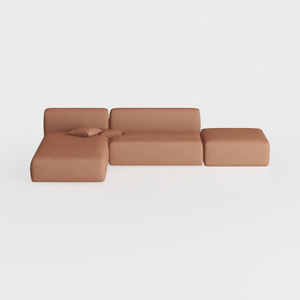
Valencia Nathan Nappa Leather Couch - 4 Seats with
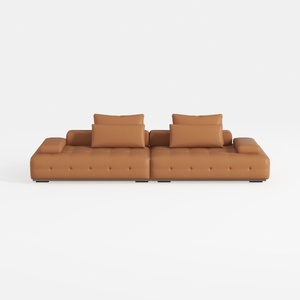

Valencia Nathan Nappa Leather Couch - 4 Seats with
Homestyler is your go-to online home design platform! With its user-friendly design tool, stunning 3D renderings, and an array of DIY video tutorials, transforming your space has never been easier. Dive into inspiring design projects and let your creativity shine!
Progetta ora GRATIS
































