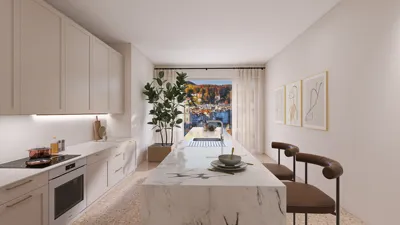


I view training halls as key environments for performance: they need to enhance learning, movement, and concentration while accommodating various group sizes and teaching methodologies. An optimally designed hall harmonizes circulation, sightlines, acoustic control, and lighting with durable materials and seamless technology integration. In versatile facilities, every square foot must adapt—from workshops and seminars to fitness sessions and accreditation programs. Utilizing tools like Homestyler can assist in visualizing these dynamic layouts effectively.
Research consistently illustrates that the environment influences results. According to Gensler’s Workplace Survey, both focus and collaboration flourish when spaces provide choice and control—flexible areas outperformed rigid setups in effectiveness (Gensler Research Institute). Lighting plays a critical role too: the Illuminating Engineering Society recommends maintaining a horizontal illuminance of approximately 300–500 lux for general learning tasks, with increased lumens for specific tasks (IES standards). Furthermore, WELL v2 advocates for tunable lighting and glare management to foster circadian health while minimizing visual discomfort (WELL v2). These guidelines inform how I select luminaires, choose diffusers, and organize seating against open floor spaces.
The psychology of color is essential in setting desired intentions. Studies compiled by Verywell Mind highlight that cool colors like blue and soft greens promote calmness and concentration, while moderated warm tones can encourage energy and active participation (Verywell Mind – color psychology). I apply subdued color schemes for primary areas and introduce vibrant accents at focal points—like stage walls, instructor spaces, or collaborative zones—ensuring visual hierarchy remains strong without overwhelming the senses.
Spatial Planning and Flow
Training halls thrive on efficient circulation. I target clear aisles of 1.2–1.5 m in seating arrangements to comply with comfort and evacuation needs, with wider primary pathways of 1.8–2.1 m at entrances to eliminate bottlenecks. Front-row placements should ensure unhindered sightlines and aim for symmetry in the centerline when feasible. By testing various seating densities—from 1.8 m² per person in seminar configs to 2.5–3.0 m² for active learning—using layout simulation tools mitigates risks. Scenarios for traffic flow and seating arrangements can be enhanced with room layout software, such as those found in Homestyler.
Flexible Seating and Configurations
Modular setups facilitate rapid transitions. For lectures, I recommend staggered rows with a 7–9° angle to enhance sightlines. For workshops, clusters of 6–8 participants with a focal point at the front work effectively, while horseshoe designs foster better interactions and instructor visibility. Utilizing mobile seats with wheels and nesting tables improves turnover efficiency. Research from Steelcase indicates that classrooms crafted for active learning yield higher student engagement and collaboration compared to traditional configurations (Steelcase – research). Apply this insight to training halls by combining fixed AV setups with movable furnishings and clear storage areas to streamline transitions, ideally within 10 minutes.
Lighting: Illumination, Color Temperature, and Glare Control
I incorporate mixed lighting layers: ambient light (300–500 lux), task illumination at tables (approximately 500–750 lux for detailed activities), and focused vertical lighting on presentation areas (also around 300–500 lux) to ensure content remains legible. Color temperature must be adjustable within 3000–4000K for general usage, shifting towards 3500–4000K for increased alertness and 3000–3500K for reflective or recovery sessions. Indirect uplighting minimizes glare and shadow effects, while matte finishes prevent reflections on screens. Adhering to IES best practices and WELL v2 recommendations for visual comfort allows for longer sessions with reduced fatigue. Dimming options and zoned lighting enable facilitators to adapt the atmosphere, whether energizing attendees with warm-up activities or focusing on screen-centric workshops.
Acoustic Comfort and Speech Intelligibility
Effective acoustics ensure clear instruction and diminish mental strain. My target for mid-frequency reverberation time is around 0.6–0.9 seconds in medium-sized halls, balancing absorption and diffusion via acoustic ceiling tiles (NRC 0.70+), wall panels, and soft finishes. Utilizing carpets or resilient flooring with underlayment helps manage footstep noise. Strategically placed ceiling speakers with synchronized delay provide even sound distribution. Both Steelcase and Herman Miller research underscore the importance of noise management and speech clarity for cognitive efficiency in educational spaces (Herman Miller – research; Steelcase – research). Keeping mechanical noise below NC-30–35 and properly venting AV equipment prevents interference from hum and operational sounds.
Human Factors and Ergonomics
Ergonomically designed seating with lumbar support, rounded tabletop edges, and compliant height specifications (740–760 mm for tables; seat height 430–460 mm) enhance comfort during extended sessions. Ensure ADA-compliant routes and seating arrangements that maintain sightline equality. Shared resource areas should be within 450–600 mm for easy reach to avoid awkward postures. Include hydration stations and micro-break areas to alleviate physical fatigue—short, structured breaks are more effective than continuing through tiredness, aligning with behavioral insights on attention spans.
Technology Integration
Training halls excel when technology seamlessly integrates into the design. I favor dual-display arrangements to feature both content and the instructor's camera feed side by side. Employing tidy cable management through floor boxes and modesty panels ensures safety on the ground. Explore wide-angle cameras and ceiling microphones with beamforming capabilities to facilitate hybrid sessions. Provide two lighting presets tailored for video use: one balanced 3500–4000K with soft fill for faces, and increased vertical illumination for display surfaces. A dedicated tech preparation area behind the stage allows for organizing devices out of sight.
Material Selection and Durability
The choice of materials should blend resilience with an upscale appearance. Opt for high-abrasion fabrics (100,000+ double rubs), crypton or similarly stain-resistant materials, and polyurethane edges for longevity. Use low-VOC finishes to comply with health standards (WELL v2 recommendations), ensuring a balance of sound-absorbing and easily cleanable surfaces. For flooring, I prefer quality rubber or LVT with acoustic backing for low maintenance and excellent durability. Incorporating recycled materials when possible and prioritizing modular replaceability ensures efficient lifecycles.
Wayfinding, Zoning, and Visual Hierarchy
Subtle indicators can direct behavior. Contrasting flooring inlays or ceiling treatments can delineate spaces without erecting walls. Accent colors at entrance points prepare users for transitions between social and focused states. Ensure the instructor's backdrop is darker than the audience’s area to enhance visibility and separation for the presenter. Use a coherent signage system and human-scale typography to make pathways and exits readily apparent.
Layout Scenarios: Multi-Use Training Hall
I usually outline three distinct setups and pre-assemble furniture layouts: Seminar (rows with a central aisle), Workshop (pods with perimeter access), and Movement (open space with equipment readiness). Each configuration includes a storage plan labeled for quick transitions. When discussing possibilities with clients or facilities teams, visual presentations using an interior layout planner like Homestyler can significantly speed up agreement and decrease risks.
2024–2025 Trends Worth Using
Several trends significantly enhance training hall design: tunable white lighting with presets that support circadian rhythm; biophilic elements such as moss panels or greenery for stress reduction; warm textures paired with neutral tones for psychological stability; and hybrid AV setups that prioritize user-friendly interfaces while remaining robust behind the scenes. There is also merit in micro-zones—quick collaboration areas—that maintain acoustic privacy from the main hall.
Practical Checklist
- Confirm illuminance targets (300–500 lux ambient; 500–750 lux task; clear vertical illumination on presentation areas).
- Verify reverberation time within the 0.6–0.9 s range; add absorbing panels and soft features as necessary.
- Ensure ergonomic seating is suitable for 60–120 minute sessions; guarantee ADA compliance.
- Establish three preset layouts and labeling for storage to enable reconfigurations in under 10 minutes.
- Integrate tunable lighting and glare management around screens.
- Maintain mechanical noise at NC-30–35; isolate AV equipment and ensure proper ventilation.
- Choose durable, low-VOC materials and coatings while planning for modular replacements.
- Design clear pathways with 1.2–1.5 m aisles and robust entry locations.
FAQ
For seated seminar configurations, a planning space of 1.8–2.0 m² per person is ideal for comfort and mobility. For active learning or movement-based setups, increase to 2.5–3.0 m² per person to prevent congestion and maintain visibility.
Target ambient lighting at 300–500 lux according to IES recommendations, with task illumination reaching up to ~750 lux for detailed tasks. Ensure uniformity to reduce eye strain and avoid harsh contrasts.
Tunable white light in the range of 3000–4000K accommodates most scenarios: cooler tones at the upper end enhance alertness, slightly warmer tones are better for reflection or debriefing.
Combine sound-absorbing ceiling tiles (NRC 0.70+) with diffusive wall panels while incorporating some reflective elements. Aim for an RT60 of around 0.6–0.9 s to maintain speech clarity without detracting from the room's energy.
Use rows for lectures, pods of 6–8 for workshops, and horseshoe configurations for discussion-focused sessions. Mobile chairs and nesting tables streamline transitions and lighten storage demands.
Employ dual displays, ceiling microphones with beamforming capabilities, wide-angle cameras, and organized cabling via floor boxes. Provide simple presets so presenters can switch modes without technical support.
Select high-abrasion textiles, stain-resistant fabrics, as well as LVT or rubber flooring with acoustic backing, alongside low-VOC finishes. Favor modular solutions to minimize downtime.
Opt for matte finishes near display areas, position fixtures strategically to avoid direct reflections, and prioritize indirect or diffused lighting near the front of the room.
Utilizing digital layout simulations expedites consensus by illustrating seating arrangements, circulation patterns, and sightline considerations. This minimizes adjustments during construction and aids facility teams in managing transitions.
Incorporating plants, natural elements, and access to daylight can alleviate perceived stress and boost morale. Even simple enhancements—like planters near seating areas—can create a more inviting atmosphere during sessions.

Homestyler is your go-to online home design platform! With its user-friendly design tool, stunning 3D renderings, and a plethora of inspiring design projects and DIY video tutorials, it's never been easier to create your dream space. Let your creativity flourish!
Desain sekarang Gratis
































